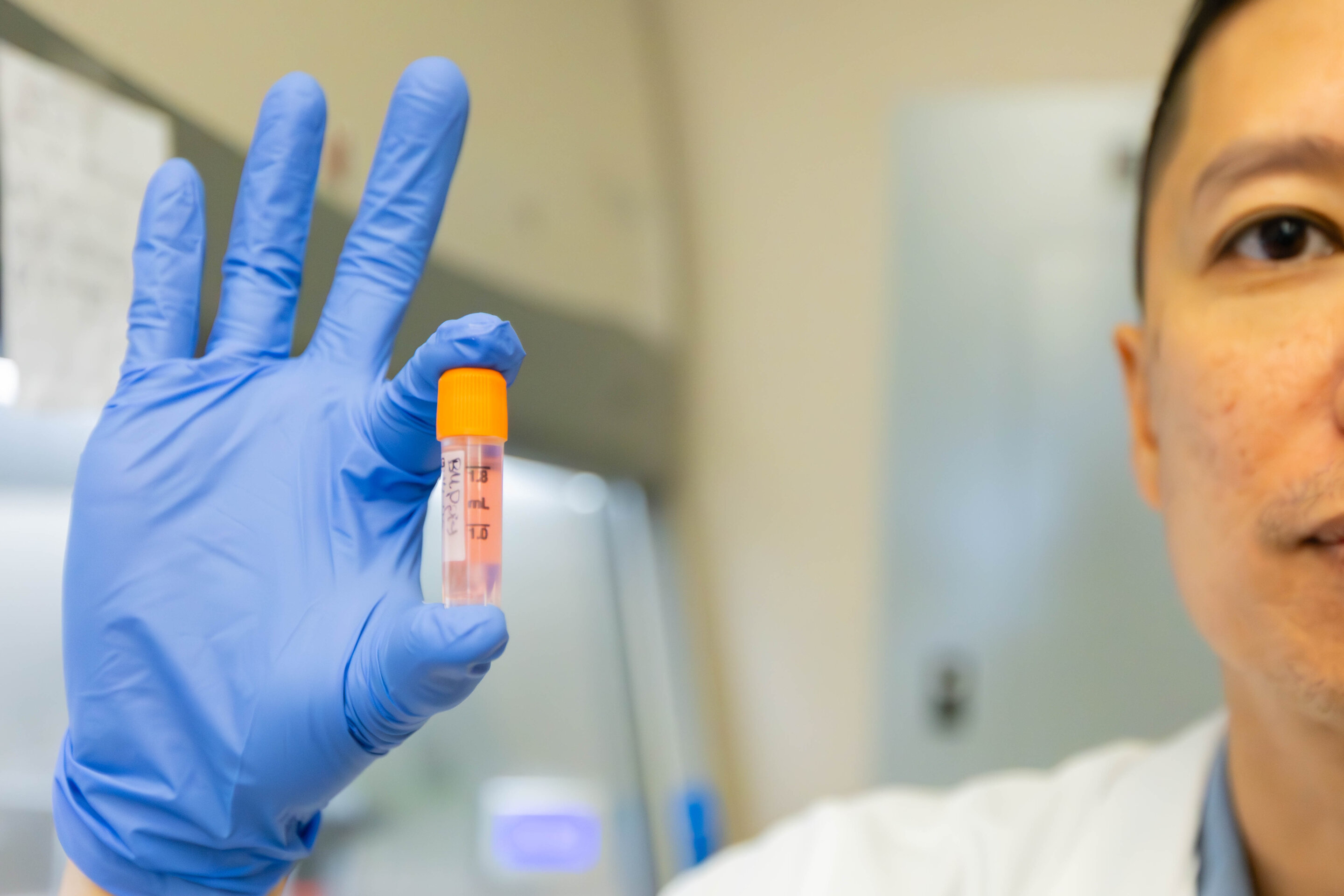
Introducing Myok9: A New Canine Muscle Cell Model
Texas A&M University’s creation of Myok9 marks a tangible shift in how canine muscle diseases can be studied. This immortalized muscle cell line, derived from canine muscle precursor cells, offers a stable, renewable platform for experiments that previously depended on short-lived primary cells. Unlike primary cultures, which deteriorate quickly and vary between batches, Myok9 maintains consistent characteristics over extended periods, enabling more reproducible and scalable research.
The significance lies in Myok9’s potential to streamline early-phase testing of muscle-targeted therapies. By providing a reliable in vitro model, researchers can conduct preliminary drug screenings and mechanistic studies without immediate recourse to animal subjects. This aligns with federal efforts to reduce animal testing, addressing ethical concerns while potentially accelerating the research timeline. However, the shift is not absolute—Myok9 cannot replicate the full complexity of living organisms, and animal models remain indispensable for comprehensive safety and efficacy evaluations. Still, Myok9’s introduction could recalibrate the balance between in vitro and in vivo studies, offering a practical, if partial, alternative that tightens the feedback loop in canine muscle disease research.
How Myok9 Advances Muscle Cell Research
The creation of Myok9 marks a notable technical advance in muscle cell research, particularly for canine models. Developed by Texas A&M University researchers, Myok9 is an immortalized muscle precursor cell line derived from dogs. Unlike primary muscle cells that rapidly lose proliferative ability and consistency over time, Myok9 maintains stable growth and differentiation potential through multiple passages. This characteristic enables extended experimentation windows, crucial for iterative testing and reliable data generation.
Functionally, Myok9 replicates key features of muscle precursor cells, providing a more physiologically relevant platform than generic cell lines. This fidelity allows researchers to observe muscle cell behavior, drug responses, and genetic modifications under controlled laboratory conditions. By facilitating in vitro modeling of muscle biology, Myok9 supports early-stage screening of therapeutic candidates, potentially filtering out ineffective or toxic compounds before advancing to costly and ethically sensitive animal trials.
Introduced in 2026, the Myok9 line aligns with federal efforts to reduce animal testing, offering a viable alternative that can decrease reliance on live subjects without compromising preliminary research quality. However, it is important to recognize that Myok9 cannot fully substitute in vivo studies. Complex systemic interactions, immune responses, and long-term effects remain outside the scope of cell culture models. Therefore, Myok9 serves primarily as a complementary tool, enhancing efficiency and ethical standards rather than eliminating the need for animal experiments altogether.
The broad adoption of Myok9 across research institutions could standardize muscle cell assays and accelerate discovery pipelines targeting canine muscle diseases. Yet, challenges persist—such as ensuring the cell line’s genetic stability over time and confirming that findings translate accurately to whole-organism contexts. Vigilant validation and cautious interpretation of Myok9-based data will be essential to maximize its research utility while mitigating risks of overreliance on in vitro results.
Balancing Ethical Gains with Research Realities
The promise of Myok9 as a tool to reduce animal testing and speed muscle disease research is compelling but far from straightforward. Immortalized cell lines inherently diverge from the complex biology of living organisms. While Myok9 replicates key features of canine muscle precursor cells, it cannot fully capture systemic interactions, immune responses, or metabolic nuances present in vivo. These gaps introduce a layer of uncertainty when extrapolating lab findings to real-world scenarios.
Moreover, immortalization often alters cellular behavior subtly but meaningfully. Genetic and epigenetic changes that grant indefinite growth may shift signaling pathways or differentiation potential, potentially skewing drug response profiles. Without extensive validation against primary cells and animal models, there’s a risk of overestimating Myok9’s predictive power. This could lead to false leads or overlooked toxicities if relied on prematurely.
Operational constraints also surface. Maintaining consistent culture conditions to prevent phenotypic drift demands rigorous standardization. Variability between Myok9 batches or labs could undermine reproducibility, complicating cross-study comparisons. The cell line’s utility hinges on transparent reporting and ongoing quality control, which are not trivial undertakings in fast-moving research environments.
Finally, while Myok9 aligns with ethical goals, it does not eliminate the need for animal studies but rather reshapes their timing and scope. Regulatory agencies still require whole-organism data for safety and efficacy confirmation. The challenge lies in integrating Myok9 data judiciously to reduce animal use without compromising scientific rigor or patient safety.
In short, Myok9 is a valuable addition but not a panacea. Its impact depends on careful calibration of expectations, thorough validation, and mindful integration into the broader research pipeline.
What Myok9 Means for Future Studies
Myok9’s introduction marks a tangible shift in how muscle disease research can be approached, but it’s not a silver bullet. For labs grappling with the ethical and logistical challenges of animal testing, Myok9 provides a reliable stand-in for early-stage experiments. Its ability to replicate muscle precursor cell behavior over extended periods means researchers can screen potential therapies more consistently and cost-effectively before moving to live subjects.
Yet, the technology has clear boundaries. Myok9 cannot fully capture the complexity of living organisms—immune responses, systemic interactions, and long-term effects still require animal models or clinical trials. Researchers should view Myok9 as a complementary tool rather than a replacement. Its greatest value lies in filtering out less promising candidates early on, thus reducing the scale and frequency of animal testing.
For the broader research community, widespread adoption of Myok9 could streamline workflows and accelerate innovation cycles. But that depends on transparent validation studies and standardization protocols to ensure reproducibility across labs. Without rigorous benchmarking, the risk of overreliance on in vitro models may skew findings or delay recognition of critical in vivo factors.
In practical terms, Myok9 invites a more measured, phased approach to muscle disease research—one that balances ethical considerations with scientific rigor. It nudges the field toward smarter resource allocation and potentially faster development timelines, but it also demands ongoing scrutiny to avoid complacency in experimental design.