Local AI Coding Assistants Reach Cloud-Level Performance

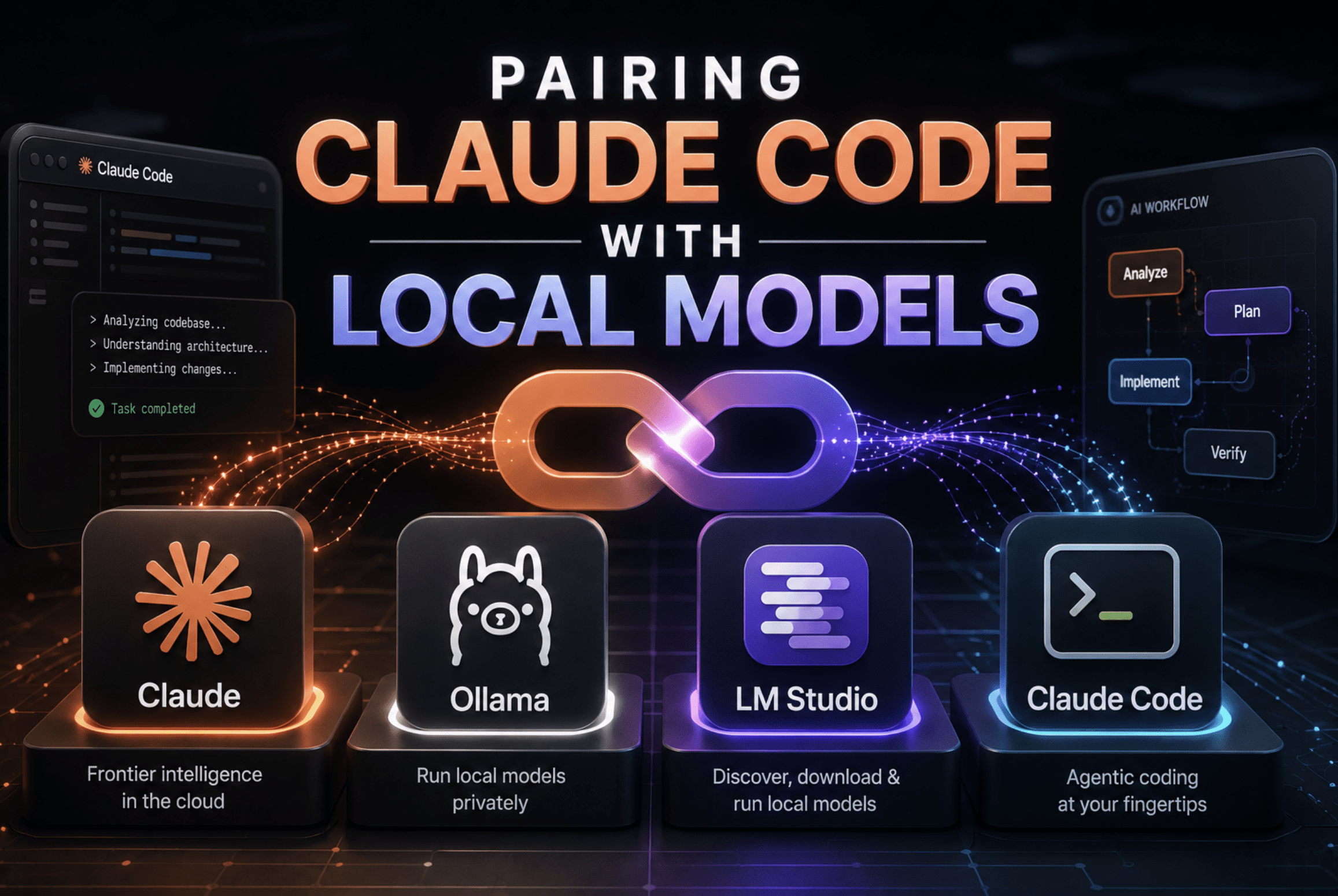
Local AI coding assistants have caught up with cloud-based giants like Anthropic’s Claude Code. Their ability to handle complex tasks—code completion, refactoring, debugging, even explaining code—now matches that of top-tier cloud APIs. This shift isn’t just about raw power; it signals a practical turning point for developers. Running these assistants locally slashes costs tied to token usage and sidesteps the unpredictability of cloud outages or rate limits. Integration has grown smoother too, with tools like Ollama, LM Studio, and llama.cpp bridging cloud APIs to local inference engines. Developers can now tap into robust AI coding help without relying on constant internet connectivity or facing surprise bills.

How Local Models Match and Surpass Cloud APIs

Local AI coding assistants have caught up to cloud-based giants like Anthropic’s Claude Code in a surprisingly short time. By early 2026, several open-source and commercial local models demonstrated near-identical capabilities in code completion, refactoring, debugging, and explanatory tasks. This leap didn’t happen overnight. It’s the product of sustained improvements in model architectures, training data quality, and optimization techniques tailored for on-device inference. The shift gained momentum as developers sought ways to sidestep the escalating costs and reliability issues tied to cloud APIs. Local models eliminate token-based billing and avoid service interruptions caused by rate limits or outages. More importantly, they offer immediate responsiveness without network latency—critical when iterating on complex codebases. Integration evolved quickly too. Tools like Ollama and LM Studio emerged, providing polished backends that connect cloud API calls directly to local inference engines. These platforms handle resource management and user interfaces, lowering the barrier for developers to switch. Meanwhile, llama.cpp carved out a niche with its lightweight, portable design, enabling AI coding assistants to run on modest hardware without sacrificing speed. This convergence means developers no longer have to choose between raw power in the cloud and the convenience of local execution. Instead, hybrid setups—where cloud APIs route through local servers—are becoming the norm. This architecture blends the robustness and scale of cloud services with the cost control and reliability of local models. The result is a more flexible, developer-friendly AI coding ecosystem that’s rewriting expectations for what local AI can achieve.

Tools and Hardware Behind the Shift

The hardware powering today’s local AI coding assistants has caught up with the demands of complex code tasks. Modern consumer-grade GPUs—NVIDIA’s RTX 40-series and AMD’s RX 7000-series—now provide enough compute to run large language models (LLMs) efficiently on a single machine. These GPUs handle the heavy matrix math behind transformer models, enabling low-latency inference without relying on cloud servers. On the software side, frameworks like PyTorch and TensorFlow remain foundational, but specialized libraries such as llama.cpp have emerged to optimize model execution for CPU and GPU architectures. These tools strip down models to their essentials, allowing them to run on more modest hardware with acceptable speed. Meanwhile, platforms like Ollama and LM Studio bundle these components into accessible packages, smoothing the integration process for developers who want local AI assistants without deep infrastructure work. Storage and memory also play a crucial role. High-capacity NVMe SSDs speed up loading large model weights, while 32GB or more of RAM is increasingly standard to hold active model parameters and intermediate calculations. This combination shrinks startup times and prevents bottlenecks during code generation or debugging sessions. Together, these hardware and software advances have transformed local AI coding assistants from experimental curiosities into practical tools. They deliver performance that rivals cloud APIs but with fewer constraints on cost, privacy, and network reliability. This shift reflects broader trends in edge AI, where powerful inference moves closer to the user, redefining how developers interact with AI in their everyday workflows.

What This Means for Developers

Developers face a real shift in how they’ll integrate AI coding tools into their workflows. Local models matching cloud-level performance means fewer compromises on speed or accuracy when running assistants on personal machines. This cuts down on dependency risks tied to network outages or API rate limits that have long frustrated teams relying on cloud services. Cost is another big factor. Cloud APIs charge per token, which adds up fast during heavy coding sessions or batch refactoring tasks. Running models locally turns those variable expenses into a more predictable hardware investment. For startups and individual developers, this could lower barriers to adopting AI assistance or keep budgets leaner without sacrificing capability. Integration now looks more flexible too. Developers can choose between full local setups or hybrid approaches that route some requests through cloud APIs like Claude Code while running others on local inference engines. Tools like Ollama and LM Studio simplify managing these environments, handling resource allocation and updates behind the scenes. Meanwhile, lightweight options like llama.cpp make it easier to deploy AI assistants on modest hardware, opening doors for edge computing or offline use cases. Still, this doesn’t erase all challenges. Maintaining local models involves updates, tuning, and hardware upkeep that cloud providers typically handle. Teams must weigh these operational costs against the benefits of autonomy and cost control. But the growing parity in performance means those trade-offs are becoming more about preference and context than raw capability. For developers, the takeaway is clear: AI coding assistants are no longer just cloud services accessed through APIs. They’re becoming tools that can live on your laptop or server, offering more control, lower ongoing costs, and resilience against connectivity issues. This evolution could reshape how coding assistance fits into daily development, making it more accessible and reliable across diverse environments.
Ссылка на первоисточник
This Home Battery Cut My Electricity Bill in Half
Science & Tech

EcoFlow PowerOcean Home Battery Insights

EcoFlow’s PowerOcean battery system offers modular energy storage with up to 45 kWh capacity, aiming to cut home electricity bills by up to…

Inside Elon Musk’s AI Ecosystem: How xAI, Tesla, X, Neuralink, and SpaceX Are Converging
Science & Tech

Elon Musk’s AI Ecosystem Takes Shape

Elon Musk is weaving AI deeply into his ventures—from xAI’s Grok powering X’s conversations to Tesla’s self-driving fleet, Neuralink’s brai…