Elon Musk’s AI Ecosystem Takes Shape

Elon Musk’s AI ambitions are no longer scattered experiments—they’re converging into a tightly woven ecosystem. At the center sits xAI, Musk’s freshly minted AI outfit, rolling out Grok, a conversational AI designed to power his sprawling ventures. This isn’t just another chatbot; Grok is integrated deeply into X (formerly Twitter), offering real-time, AI-driven user interactions on a platform with hundreds of millions of daily active users. Tesla, Neuralink, and SpaceX aren’t sidelined either. Tesla’s AI handles everything from self-driving to humanoid robotics, feeding on a vast trove of real-world data. Neuralink pushes AI into the brain, aiming for seamless human-machine melding. SpaceX leverages AI for autonomous spacecraft navigation and satellite networks. Musk’s strategy is clear: build an AI backbone that spans digital, physical, and even biological domains, creating a uniquely interconnected web of technologies. The question now is how this vertical integration will hold up under scrutiny—both from regulators wary of data privacy and from competitors racing to keep pace.

Core AI Models and Platform Integration

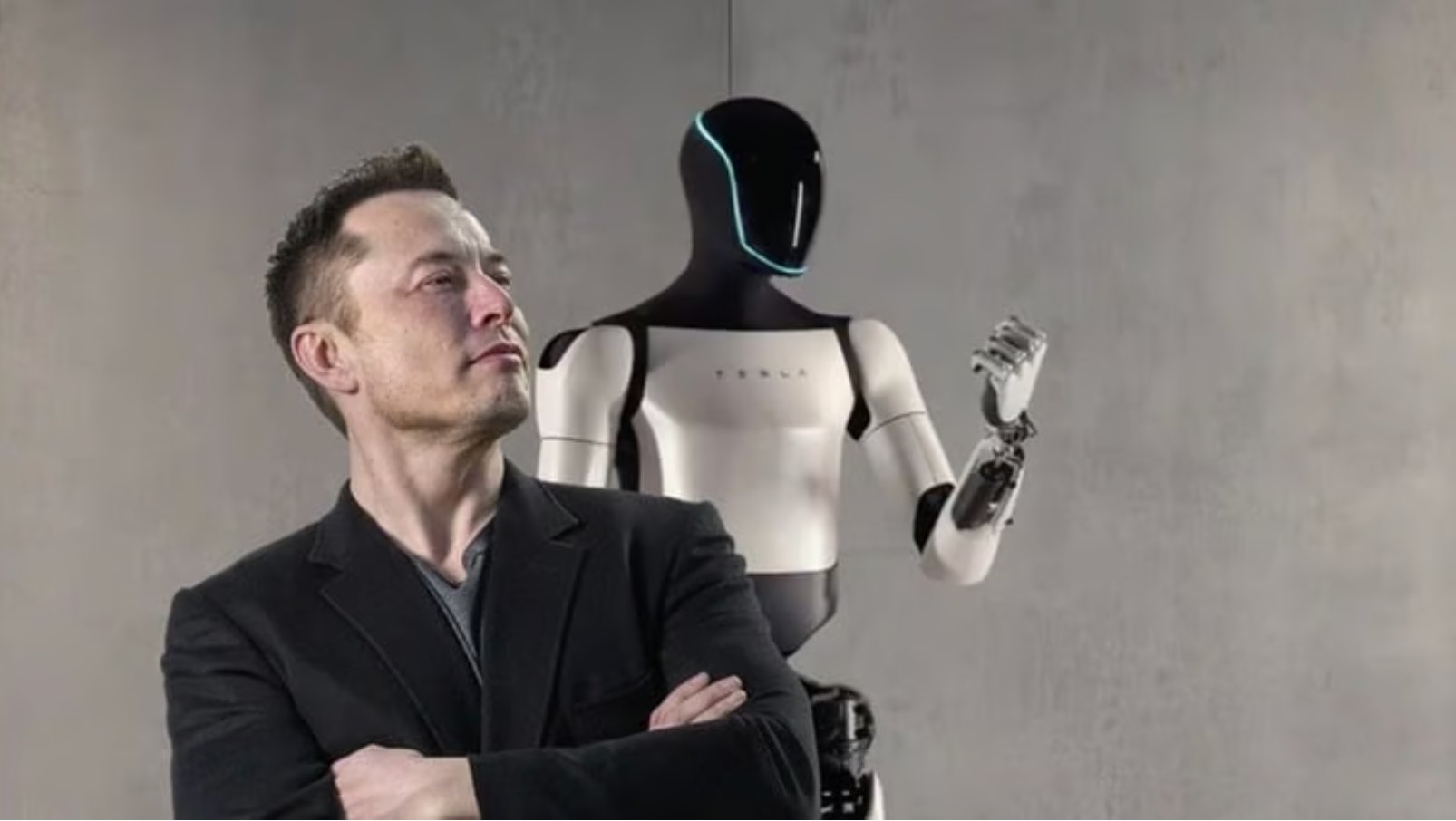
xAI sits at the heart of Musk’s AI push, crafting foundational models like Grok since its launch in 2023. Grok isn’t just another chatbot—it’s designed to power real-time interactions across Musk’s platforms, especially on X, where it integrates conversational AI directly into the social media experience. This gives users access to AI-driven insights and responses without leaving the app, blurring lines between social networking and intelligent assistance. Tesla leverages AI differently but just as intensively. Its neural networks process billions of miles of driving data collected from the fleet. This data feeds continuous improvements in Autopilot and Full Self-Driving features. Tesla’s AI also extends into robotics with the Optimus project, aiming to bring humanoid robots into everyday tasks. The company’s approach tightly couples software and hardware, enabling rapid iteration and deployment of AI capabilities. Neuralink, though less public-facing, contributes by pushing AI integration into brain-computer interfaces. Its work could redefine how humans interact with machines, potentially connecting directly to Musk’s other AI systems. This adds a layer of complexity and ambition to the ecosystem, aiming for seamless human-AI symbiosis. SpaceX applies AI mainly in autonomous spacecraft navigation and satellite network management. Its Starlink constellation, for instance, uses AI to optimize bandwidth allocation and signal routing dynamically. This ensures robust, low-latency internet access globally, which in turn supports Musk’s vision of an interconnected AI environment. All these pieces feed into a vertically integrated AI platform. Data flows between companies, AI models evolve with diverse inputs, and Musk’s control over hardware and software stacks accelerates innovation. However, this integration raises questions about data privacy, regulatory oversight, and the challenges of managing such a sprawling, interconnected system. The ambition is clear, but so are the risks embedded in this tightly woven AI web.

AI Applications Across Musk’s Ventures

Elon Musk’s AI ambitions stretch far beyond isolated projects—they form a tightly interwoven network across his ventures. At the center is xAI, Musk’s AI startup, which crafts foundational models like Grok. These aren’t just experimental curiosities; they feed directly into other platforms, notably X (formerly Twitter), where real-time AI-driven insights and user interactions unfold at scale. Tesla stands out for applying AI in the physical world. Its fleet of electric vehicles generates a massive stream of driving data, which Tesla uses to refine its Full Self-Driving technology and power the humanoid robot Optimus. This constant feedback loop between hardware and AI software exemplifies Musk’s push for vertical integration—building both the brains and the body. Neuralink takes a different tack, aiming to bridge human cognition and machines through brain-computer interfaces. The AI here isn’t just about automation or data crunching; it’s about extending human capability in ways that could redefine interaction with technology. Meanwhile, SpaceX leverages AI for autonomous spacecraft navigation and satellite network management. These applications demand reliability and precision, pushing AI systems into high-stakes environments far from Earth. Together, these ventures form a unique AI ecosystem. Musk’s strategy hinges on tightly coupling AI development with hardware advances and user platforms. This integration promises efficiency and innovation but also raises questions about data privacy, regulatory oversight, and the risks of consolidating so much AI power within a single entrepreneurial orbit.

Strategic Advantages and Emerging Challenges

Musk’s AI web offers clear strategic gains. Vertical integration lets his companies share data and algorithms seamlessly, speeding innovation cycles and cutting reliance on external vendors. Tesla’s real-world driving data feeds xAI’s models, which then refine user experiences on X and inform Neuralink’s neural decoding efforts. This cross-pollination creates a feedback loop few rivals can match. It’s a practical edge in AI development and deployment, especially when speed and scale matter. Still, this tightly knit ecosystem raises thorny questions. Privacy concerns grow sharper as AI systems pull data from social media, vehicles, and even brain interfaces. How Musk balances user trust with aggressive data use will shape public acceptance. Regulators are unlikely to ignore the concentration of AI power across sectors—transportation, communication, health, and space. Compliance risks and potential antitrust scrutiny loom, especially as Musk’s firms push for dominance in multiple arenas simultaneously. Market-wise, Musk’s approach could unsettle competitors who lack such integrated AI pipelines. Smaller players might struggle to keep pace without similar data access or cross-domain AI expertise. Yet, this model also risks overdependence on Musk’s vision and execution. Any misstep—technical, ethical, or legal—could cascade across the ecosystem, amplifying impact. For investors and partners, the promise is high but so is the exposure to emerging regulatory and reputational hazards. In short, Musk’s AI strategy bets on synergy and scale to outmaneuver rivals. But the very integration that fuels innovation also concentrates risks. Navigating this tightrope will demand not just technological prowess but careful governance—something that will test Musk’s companies as much as their code.

Potential Directions and Industry Impact
Signals to watch are already emerging across Musk’s ventures. xAI’s Grok model rollout on X will be a crucial test of how well Musk’s AI can handle real-time, large-scale user interaction beyond controlled environments. Its performance in moderating content, generating contextually relevant responses, and integrating with other Musk platforms will reveal much about the ecosystem’s coherence. Tesla’s AI advances remain a bellwether. The company’s ability to push full self-driving capabilities closer to practical deployment, while managing regulatory scrutiny, will indicate how tightly AI can be woven into physical products at scale. Tesla Bot developments also deserve attention—progress here could redefine robotics integration within Musk’s ecosystem. Neuralink’s progress is harder to predict but no less critical. Any breakthroughs in brain-computer interface technology will have ripple effects beyond Musk’s companies, potentially reshaping AI-human symbiosis. Yet, the technical and ethical challenges Neuralink faces suggest cautious monitoring rather than hype. SpaceX’s AI applications, particularly in autonomous spacecraft navigation and Starlink satellite management, will likely advance incrementally but steadily. These improvements could enhance Musk’s vertical integration strategy by enabling more autonomous, data-driven space operations. Regulatory and privacy concerns remain a persistent undercurrent. How Musk navigates data governance, especially given the cross-company AI data flows, will influence the ecosystem’s sustainability. Watch for how transparency measures, data protections, and external oversight evolve in response to Musk’s growing AI footprint. The coming months will clarify whether Musk’s vision of a tightly integrated AI ecosystem can deliver on its promises without fracturing under technical, regulatory, or ethical pressures. The stakes are high, and the outcomes will ripple across the AI industry.
Ссылка на первоисточник