Tracing Leonardo's Bloodline

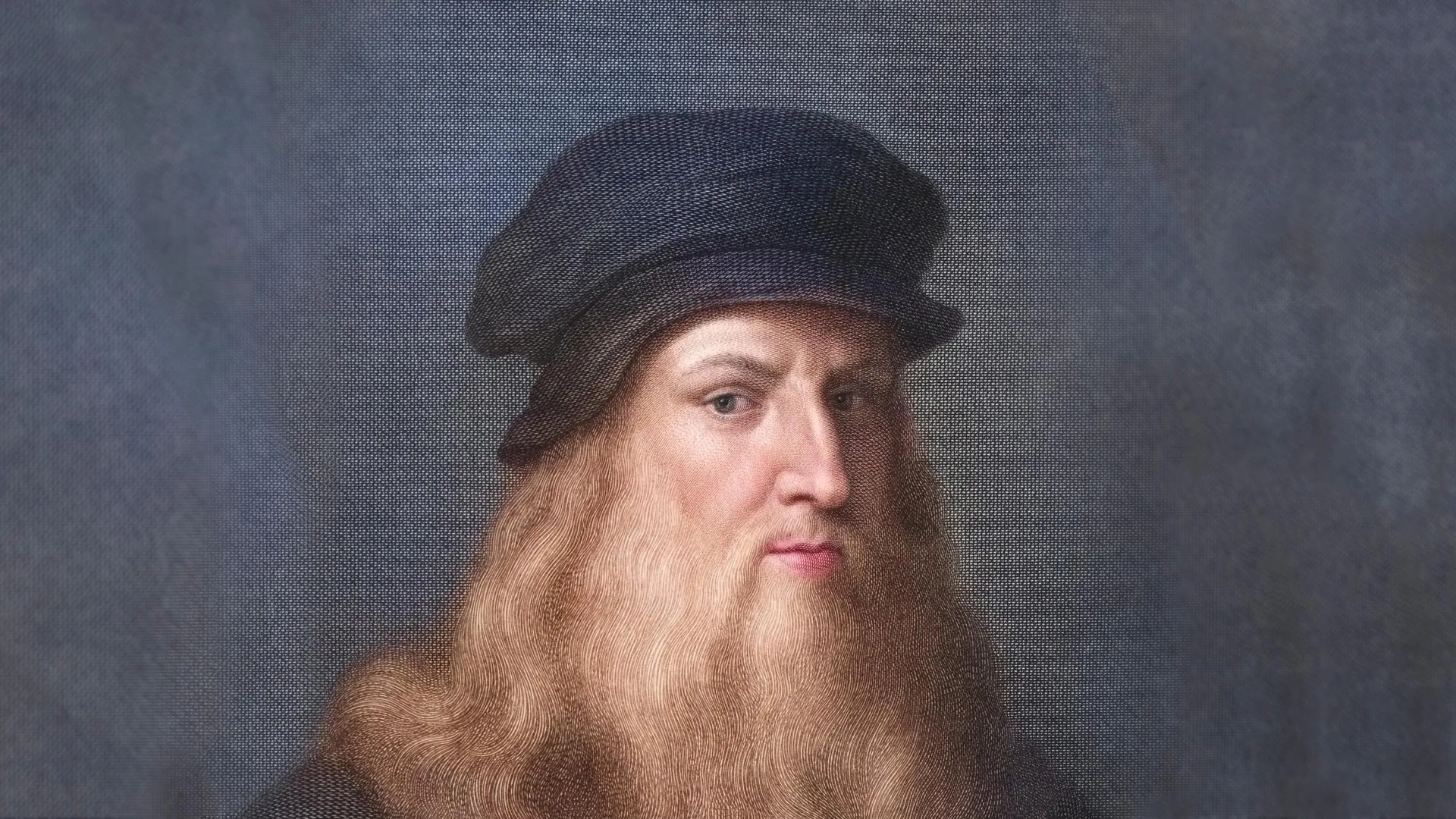
Researchers have mapped Leonardo da Vinci’s paternal lineage across 21 generations, from 1331 to today. They identified 15 living male-line descendants, six of whom have confirmed Y-chromosome data proving an unbroken paternal line stretching back at least 15 generations. This anchors Leonardo’s genetic heritage firmly in the present. Bone fragments from the Da Vinci family tomb in Vinci produced a preliminary male genetic profile matching these descendants. The next step: comparing this ancient DNA to biological traces—skin cells or fingerprints—on Leonardo’s original works. If successful, it could unlock the artist’s full genome, opening new doors for art authentication and historical research.

Genetic Clues from Living Descendants

The family tree spans 21 generations, from 1331 to today. Fifteen living men descend directly from Leonardo’s paternal line. Genetic testing on six confirmed their Y-chromosomes share markers tracing back at least 15 generations, establishing an unbroken male lineage. Bone fragments from the Da Vinci family tomb in Vinci’s Church of Santa Croce yielded a preliminary male genetic profile matching the living descendants. If further tests confirm this, scientists hope to extract DNA from skin cells or fingerprints left on Leonardo’s manuscripts and paintings. A confirmed genetic link could finally reveal Leonardo’s full genome. This offers a rare chance to connect one of history’s greatest minds directly to living DNA, with potential to reshape historical research and art authentication.

From Tomb Bones to Manuscript Traces

Leonardo’s paternal lineage was long clouded by incomplete records and centuries of uncertainty. Researchers pieced together a family tree covering 21 generations, from 1331 to today, identifying 15 living men descended directly through the male line. Genetic tests on six confirmed a continuous Y-chromosome lineage back at least 15 generations. Meanwhile, bone fragments from the Da Vinci family tomb in the Church of Santa Croce in Vinci yielded a preliminary male genetic profile aligning with the living descendants. If this holds, scientists could extract DNA from biological traces—skin cells or fingerprints—on Leonardo’s manuscripts and paintings. This isn’t just historical curiosity. Decoding Leonardo’s DNA could provide new tools to authenticate his works, distinguishing originals from forgeries with unprecedented certainty. It also raises questions about privacy and ethics decades after his death. The science is moving fast, but the story has just begun.

Rethinking Art Authentication and Ethics

Linking Leonardo’s DNA to living descendants and sequencing genetic material from his artworks challenges traditional art authentication methods. Scientific analysis may soon complement—or override—stylistic and provenance assessments. Genetic evidence could confirm disputed works or expose forgeries with new certainty. But this also raises ethical concerns. Extracting DNA from priceless artworks risks damage. Using the genetic legacy of a historical figure prompts questions about consent and cultural stewardship. Who decides how this genetic information is used? The potential for commercial exploitation or privacy issues involving living descendants adds complexity. For the art market, verified genetic links could shift value dramatically, affecting insurance, sales, and legal claims. Institutions may need to update policies to include genetic data in authenticity dossiers. Researchers and curators must balance scientific inquiry with preservation and respect for cultural heritage. This development forces a rethink of art authentication in the 21st century. Genetics and art history intersect in new ways, demanding careful navigation of scientific, ethical, and commercial boundaries.
Ссылка на первоисточник
Greenland ice melt has surged sixfold and scientists are alarmed
Science & Tech

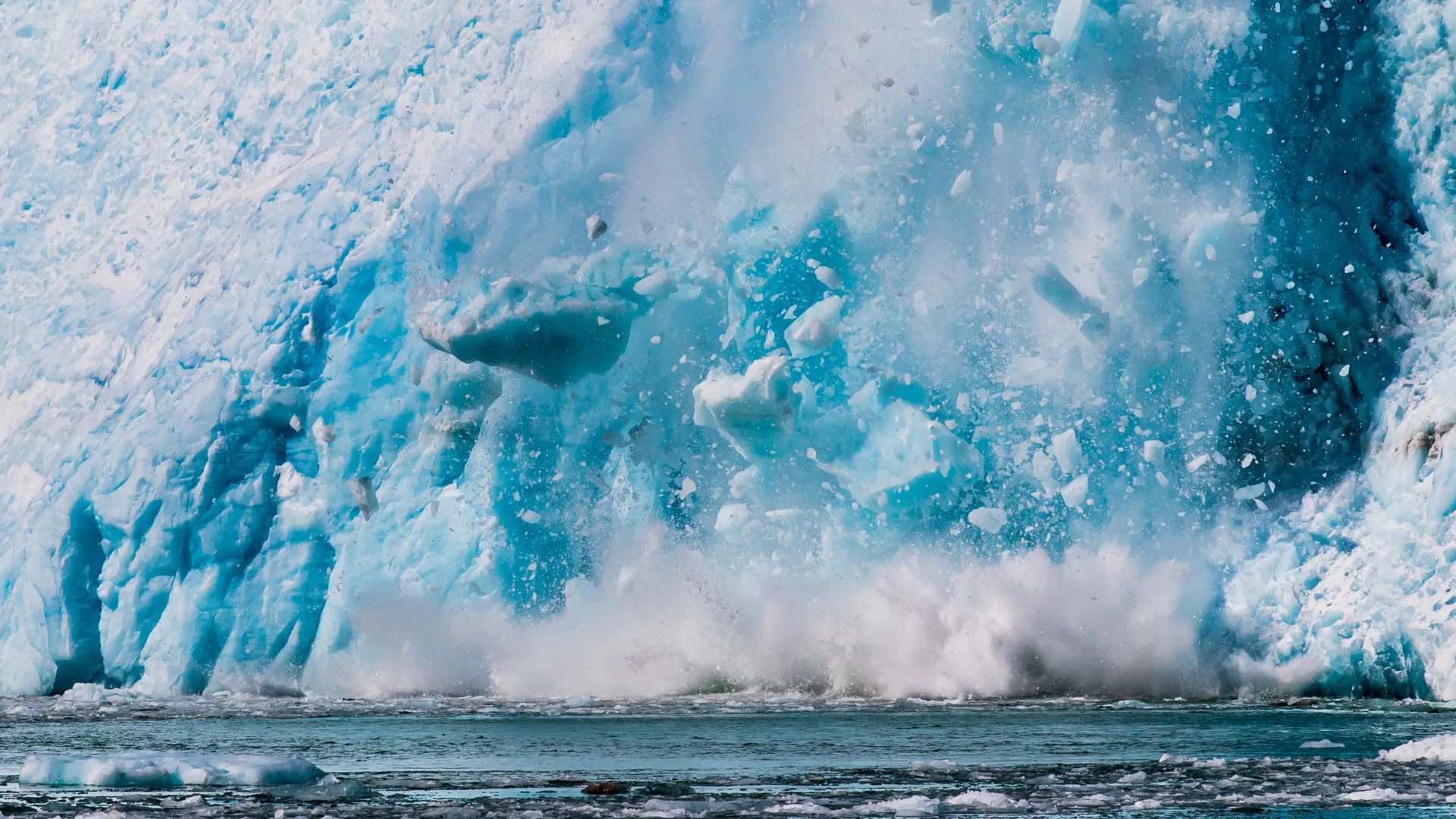
Greenland’s Ice Melt Surges Since 1990

Greenland’s ice melt has accelerated sixfold since 1990, driven mainly by rising temperatures rather than atmospheric shifts. Extreme melt…

‘Heartbreaking’: Iranian scientists on losing labs, libraries and liberty
Science & Tech

Academic Impact of Bombings in Iran

Bombings at Sharif University and the Pasteur Institute have devastated Iran’s research infrastructure, halting critical projects and isola…