Court Ruling Against AI-Based Firings
A court in Hangzhou has ruled that companies cannot legally fire employees solely because AI automation replaces their roles. This decision marks one of the first times a binding legal authority has explicitly rejected automation as valid grounds for dismissal. Employers must now demonstrate clear, lawful reasons beyond the use of AI to terminate staff.
The case arose after a tech company attempted to dismiss workers displaced by automated systems, offering severance below legal minimums and reassigning some to lower-paid positions. The court’s ruling stops these practices, emphasizing that automation alone does not justify cutting jobs. Given Hangzhou’s status as a major AI hub, this verdict could ripple beyond China, influencing labor laws and AI regulations worldwide.
Details of the Hangzhou Case
The dispute began when a software engineer at a Hangzhou tech firm was laid off after the company introduced AI tools to automate parts of its development process. The employee challenged the dismissal, arguing that automation alone was not a lawful reason for termination. The court reviewed the company’s justification and found it insufficient under Chinese labor law.
Issued in early 2024, the ruling requires employers to provide concrete legal reasons beyond automation to justify layoffs. It also prohibits reassigning displaced workers to lower-paying roles as a way to cut costs. The court ordered the company to pay severance that met legal minimums—something the firm initially failed to do.
Hangzhou’s role as a center for AI innovation adds weight to the decision. The ruling sets a precedent by directly addressing AI’s impact on employment rights, making clear that automation can’t be a blanket excuse for job cuts.
Why This Case Matters Globally
As AI-driven automation spreads worldwide, concerns about job displacement grow. This ruling draws a firm line: AI alone cannot justify firing workers. Employers must rely on traditional legal grounds to terminate staff, not just technological upgrades.
Hangzhou is no ordinary city—it’s a major AI hub. Its court’s stance may influence legal systems beyond China’s borders. The European Union, for example, is developing laws to regulate AI’s role in employment. China’s ruling could add momentum to these efforts, pushing for clearer worker protections globally.
The case exposes a tension between fast technological change and existing labor laws. Many countries lack clear rules on AI-related dismissals. Without them, workers risk losing protections as companies pursue efficiency. This ruling offers a model demanding accountability rather than blind acceptance of automation.
This dispute is part of a larger debate about how societies will manage AI’s rise at work—whether workers will be safeguarded or sidelined in the push for automation.
Impact on Employers and Workers
Employers now face a legal environment where automation alone won’t justify layoffs. Companies must rethink AI integration without violating labor laws. Simply replacing workers with machines won’t suffice; firms need valid, non-automation reasons to terminate staff. That raises operational complexity and costs, especially in sectors rapidly adopting AI.
For workers, this ruling offers a rare legal shield against job loss tied directly to AI upgrades. It discourages employers from cutting corners by shifting displaced employees to lower-paid roles or offering minimal severance. The decision stresses fair treatment and maintaining employment standards despite technological change.
This verdict could influence multinational companies operating in China, pushing them to align global policies with stricter standards or face legal risks. It also sets a benchmark for policymakers worldwide wrestling with AI’s impact on jobs. Automation may be inevitable, but labor rights won’t be sidelined in the process.

Global Digests News delivers timely, credible coverage of world affairs, politics, economy, and technology to keep you informed on today’s top stories.

Dark Matter Detection: Innovations Inspired by Henry Cavendish's Experiment
A modern take on Henry Cavendish’s 18th-century torsion balance proposes nested metal shells and ultra-sensitive voltage measurements to de…

Greenland’s Ice Melt Surges Since 1990
Greenland’s ice melt has accelerated sixfold since 1990, driven mainly by rising temperatures rather than atmospheric shifts. Extreme melt…

Health Insurance Marketplaces Leak Sensitive Data to Ad Tech Giants
Nearly all U.S. state health insurance marketplaces have exposed sensitive applicant data—including citizenship and race—to major ad tech f…

Instagram’s Voluntary AI Creator Label: A Tentative Step Toward Transparency
Instagram has launched an optional “AI creator” label for posts generated or altered by AI. Without automated detection, the system relies…

Uber’s Ambitious Expansion and Innovation
Uber CEO Dara Khosrowshahi lays out a vision to transform Uber into a travel and service platform. By integrating Expedia hotel bookings an…

Claude Code Cost Control: Context Architecture Over Prompt Optimization
Claude Code’s costs stem less from prompt length and more from accumulated context—files, memory, and tool outputs that build up each sessi…
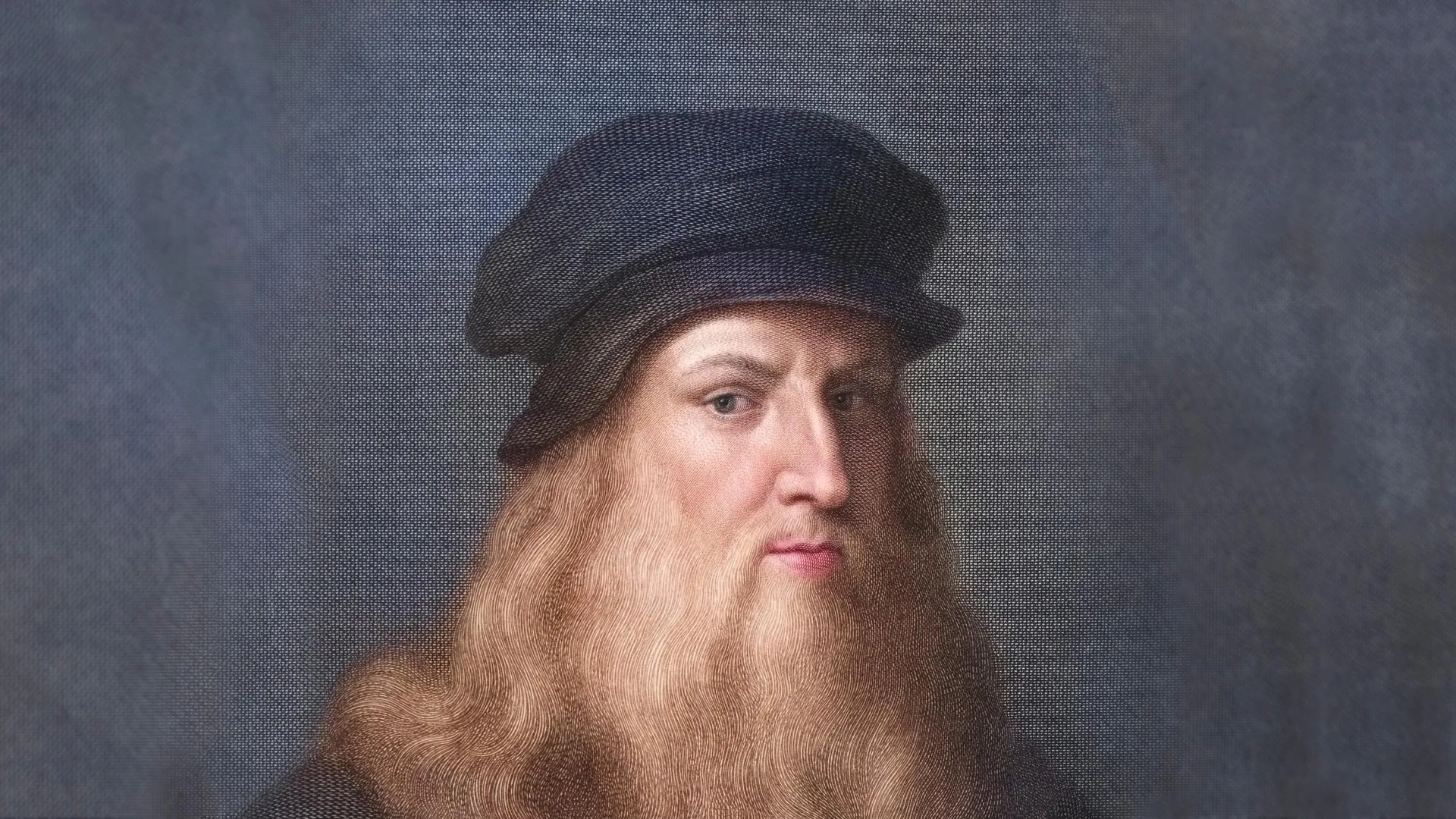
Leonardo da Vinci’s DNA May Finally Be Decoded
Researchers have mapped a 21-generation paternal lineage from 1331 to today, identifying 15 living male descendants of Leonardo da Vinci. G…

Academic Impact of Bombings in Iran
Bombings at Sharif University and the Pasteur Institute have devastated Iran’s research infrastructure, halting critical projects and isola…