Greenland’s Ice Melt Surges Since 1990

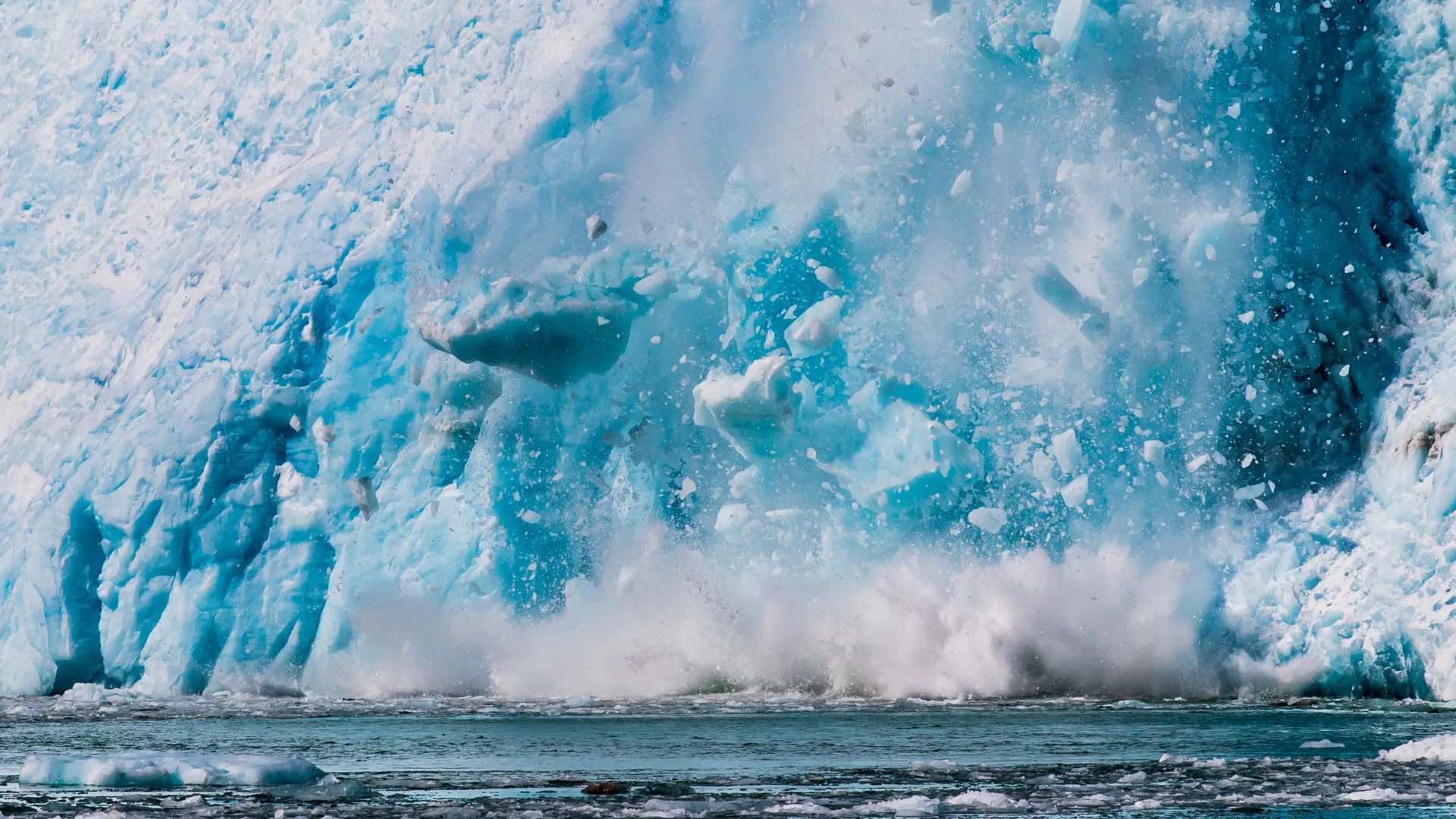
Since 1990, Greenland’s ice melt has surged dramatically—about six times faster than before. Researchers at the University of Barcelona pinpoint rising temperatures as the main driver, not shifts in atmospheric patterns as once thought. This means the ice loss is directly tied to global warming rather than weather variability. The increase isn’t just gradual. Extreme melt events now happen more often and cover larger areas, especially in northern Greenland. These episodes release vast amounts of meltwater into the ocean, accelerating sea-level rise and threatening to disrupt major ocean currents. The data clearly show the stakes are climbing fast, with fewer natural buffers than previously assumed.

Extreme Melt Events and Their Impact

Since 1990, Greenland has experienced a sharp rise in extreme melt events—periods when ice melt surges far beyond typical levels. These episodes have become more frequent and intense, especially in the island’s northern regions. Researchers at the University of Barcelona tracked this pattern using satellite data combined with climate models, isolating the effects of temperature increases from shifts in atmospheric circulation. The key driver behind these melt spikes is thermodynamic: warmer air temperatures directly cause more ice to melt. This contrasts with dynamic factors like wind patterns, which have played a smaller role in recent decades. During extreme melt events, the volume of meltwater released can be several times higher than average, accelerating ice loss and contributing disproportionately to sea-level rise. One notable event occurred in the summer of 2019, when record-breaking temperatures triggered widespread surface melting. This event alone released an extraordinary amount of meltwater, flooding the surrounding ocean and raising concerns about its impact on ocean currents. The study shows that such extreme melt episodes are no longer rare anomalies but are becoming part of a new normal. Understanding these events separately from broader climate patterns helps refine predictions about Greenland’s future ice loss. It also highlights how sensitive the ice sheet is to temperature fluctuations—small increases can lead to outsized effects. The data suggest that if current warming trends continue, extreme melt events will intensify, posing escalating risks to global sea levels and ocean circulation systems.

Separating Temperature Effects from Atmospheric Changes

The key breakthrough in this research lies in distinguishing the roles of temperature increases from shifts in atmospheric patterns. Greenland’s ice melt can accelerate either because the air gets warmer—thermodynamic effects—or because wind and pressure systems change how heat and moisture move over the ice—dynamic effects. The University of Barcelona team analyzed decades of climate data and ice measurements to untangle these influences. Their findings show that rising temperatures are the dominant force driving the sixfold increase in melt since 1990. Changes in atmospheric circulation, such as altered wind directions or storm tracks, played a much smaller role than previously thought. This is crucial because temperature trends are more directly linked to global greenhouse gas emissions, making future melt rates somewhat more predictable. By isolating thermodynamic factors, the study clarifies why extreme melt events are becoming more frequent and widespread, especially in northern Greenland where temperature spikes have been sharpest. It also helps refine models forecasting Greenland’s contribution to sea level rise. The results suggest that unless global warming is curbed, temperature-driven melting will continue to accelerate regardless of atmospheric circulation variability.

Rising Sea Levels and Arctic Disruptions

Greenland’s accelerating ice melt feeds directly into rising global sea levels, posing immediate challenges for coastal cities and low-lying regions worldwide. Even modest increases in sea level amplify the risk of flooding, storm surges, and erosion, threatening infrastructure and displacing communities. The surge in meltwater also disrupts the delicate balance of ocean salinity and temperature, which can alter major currents like the Atlantic Meridional Overturning Circulation. Changes here ripple through weather patterns, fisheries, and marine ecosystems, with economic and social consequences that extend far beyond the Arctic. For policymakers and planners, these findings sharpen the urgency of integrating climate resilience into urban development and disaster preparedness. The data-driven separation of temperature-driven melt from atmospheric circulation effects refines models, improving projections and helping prioritize mitigation efforts. Industries tied to shipping, fishing, and coastal tourism face heightened uncertainty as Arctic conditions shift unpredictably. Investors and insurers must also account for escalating climate risks linked to sea level rise and oceanic changes. The research underscores that temperature control remains central to limiting ice loss and its cascading impacts. Without aggressive emissions reductions, the pace of Greenland’s melt—and its downstream effects—will likely accelerate, locking in challenges that demand coordinated global response and adaptation strategies.
Ссылка на первоисточник
‘Heartbreaking’: Iranian scientists on losing labs, libraries and liberty
Science & Tech

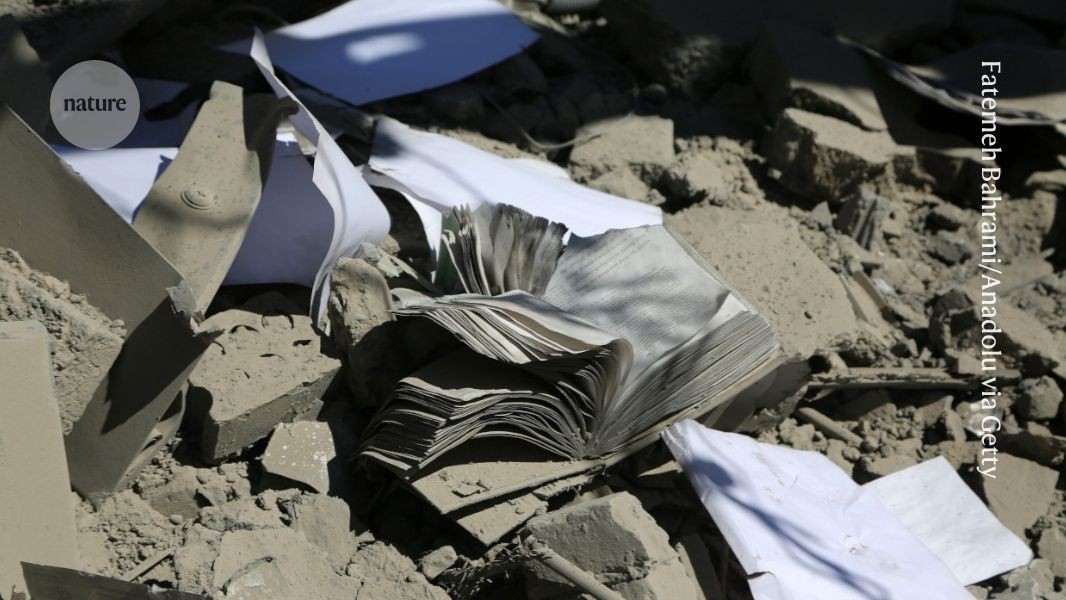
Academic Impact of Bombings in Iran

Bombings at Sharif University and the Pasteur Institute have devastated Iran’s research infrastructure, halting critical projects and isola…