Damage to Iranian Academic Hubs
Damage to Iranian Academic Hubs
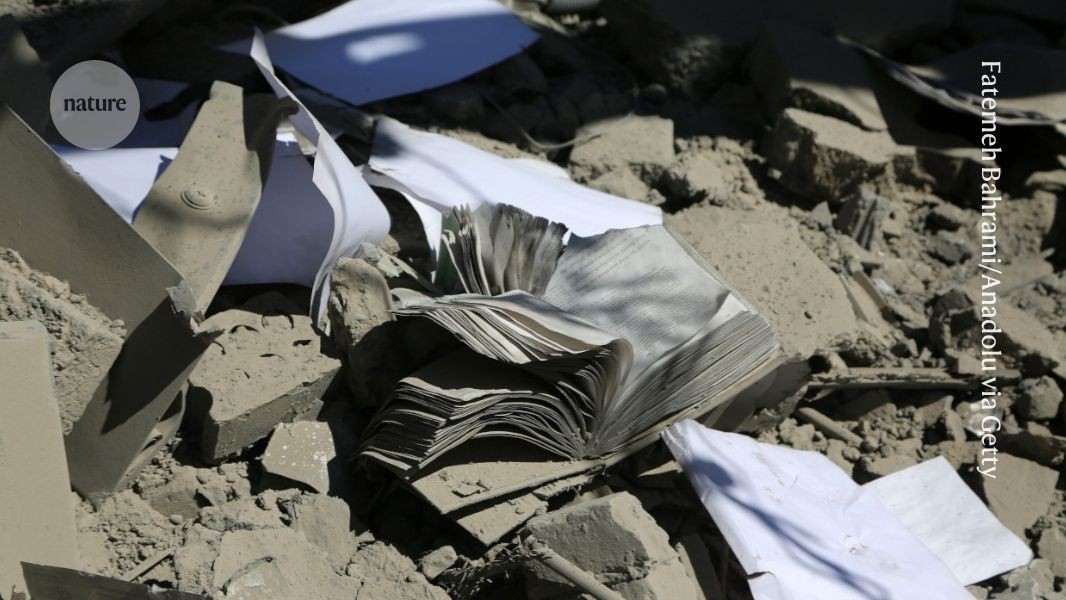
The bombings targeting key Iranian academic institutions have inflicted more than physical damage—they have fractured the very infrastructure of research and innovation. Sharif University of Technology and the Pasteur Institute, pillars of Iran’s scientific community, now grapple with shattered laboratories, disrupted experiments, and compromised data integrity. These attacks have abruptly halted ongoing projects, some of which were on the cutting edge of materials science and biomedical research, leaving months or even years of work in jeopardy.
Beyond the immediate material losses, the consequences ripple through the academic ecosystem. Researchers face an environment riddled with uncertainty, compounded by restricted access to digital resources due to internet blackouts and heightened government scrutiny. These conditions stifle collaboration both within Iran and with international partners, eroding trust and the free exchange of ideas essential to scientific progress. The damage is not just to buildings or equipment—it strikes at the core of academic freedom and the continuity of knowledge creation.
Impact on Researchers and Infrastructure
Impact on Researchers and Infrastructure
The bombings struck at the heart of Iran’s scientific infrastructure. Sharif University of Technology, a leading engineering hub, suffered extensive damage to its laboratories and data centers. Equipment critical for materials science and electrical engineering experiments was destroyed or rendered inoperable. The Pasteur Institute, known for biomedical research, reported the loss of specialized refrigeration units essential for storing biological samples. These physical damages abruptly halted ongoing experiments and compromised years of data collection.
Researchers themselves are caught in a precarious position. Many faced sudden evacuations amid explosions, losing access to their workspaces and digital resources. The aftermath included intermittent power outages and internet blackouts, severely restricting communication with international collaborators. Iranian academics report rising anxiety and uncertainty, compounded by government-imposed restrictions on travel and information flow. This combination of factors disrupts not only research continuity but also the ability to publish and participate in global scientific discourse.
The timing of these attacks is critical. Many projects were in advanced stages, with deadlines for grant reporting and peer-reviewed publication approaching. The destruction of infrastructure and the ensuing operational paralysis have led to missed deadlines and stalled innovation pipelines. For fields dependent on continuous data acquisition—such as electrical systems modeling or mechanical testing—the interruptions risk invalidating experimental results and delaying technological advancements.
Beyond immediate physical losses, the attacks impose a chilling effect on academic freedom. Fear of further assaults discourages open collaboration, particularly with foreign institutions. The global scientific community faces a dilemma: how to support Iranian researchers while navigating geopolitical tensions and security concerns. The long-term consequences may include a brain drain, as talented scientists seek safer environments, further eroding Iran’s research capacity.
In sum, the bombings have inflicted damage that extends well beyond shattered equipment. They fracture the delicate ecosystem of research activities, compromise data integrity, and impose psychological and logistical barriers on scholars. The full scope of impact will unfold over months, but the immediate disruptions already signal a profound setback for Iran’s scientific enterprise.
Challenges Beyond Physical Damage
Challenges Beyond Physical Damage
Damage to physical infrastructure is only the most visible facet of the crisis affecting Iranian academia. Beneath the rubble and broken equipment lies a complex web of less tangible challenges that resist straightforward assessment. Psychological trauma among researchers and students cannot be overstated; repeated exposure to violence breeds an environment where focus and creativity suffer, even if labs remain intact. The mental health toll, coupled with pervasive fear, undermines the very essence of scientific inquiry, which thrives on open dialogue and trust.
Moreover, the attacks coincide with intensified governmental controls, including internet blackouts and heightened surveillance. These measures severely restrict access to international databases, collaboration platforms, and communication channels, effectively isolating Iranian scientists from the global research community. Such digital isolation impedes timely data sharing and peer review, crucial elements for maintaining research quality and innovation.
The cumulative effect of these constraints introduces a paradox: while the physical rebuilding of facilities might be achievable over time, restoring the collaborative networks and academic freedoms essential for scientific progress is far more elusive. External aid and partnerships face ethical and operational dilemmas, balancing support with the risk of inadvertently legitimizing state repression or exposing collaborators to retaliation.
In this tangled context, conventional metrics of damage and recovery fall short. The full scope of academic disruption encompasses erosion of trust, fractured networks, and a chilling effect on inquiry—factors that may linger long after bricks and mortar are repaired.
What This Means for Global Science
What This Means for Global Science
The damage to Iran’s academic institutions isn’t just a local tragedy—it sends ripples through the global scientific ecosystem. When key research hubs like Sharif University and the Pasteur Institute are targeted, the immediate loss is tangible: destroyed labs, disrupted experiments, and researchers forced into silence or exile. But the consequences stretch further. Scientific progress depends on open exchange—data sharing, collaboration, peer review—all of which suffer when access to infrastructure and communication channels is compromised.
For engineers and technologists worldwide, this means a slowdown in fields where Iranian researchers have been active contributors: materials science, biotechnology, energy systems, and more. The interruption fractures ongoing projects and delays innovations that might otherwise benefit global challenges. Beyond the technical setbacks, the psychological toll on scientists working under threat or censorship can lead to brain drain, weakening Iran’s role in international networks and knowledge production.
Practically, international partners must recalibrate expectations, understanding that delays or silence from affected institutions don’t reflect a lack of competence but a crisis environment. Supporting open channels—virtual or diplomatic—to maintain dialogue and data flow becomes critical. Meanwhile, the broader research community faces a stark reminder: academic freedom and physical safety are foundational to scientific advancement. Without them, the chain of discovery is vulnerable to breaks that no single nation can afford.