Introduction to Ultra-Long-Distance Trail Running Gear

Ultra-long-distance trail running has surged beyond niche endurance challenges into a vibrant, accessible adventure sport, fueled by advances in gear technology and a growing community eager to tackle multi-day routes. What’s changed is not just the distances runners are conquering—often 50 miles or more in rugged, remote terrain—but the quality and specialization of equipment designed to support these epic journeys. Today’s trail runners can rely on lightweight, durable shoes that balance cushioning with grip, backpacks engineered to minimize bounce and fatigue, and GPS watches equipped with satellite emergency features that enhance safety far from civilization. This evolution matters because it transforms ultra-running from a test of sheer willpower into a more manageable, enjoyable experience where smart gear choices make all the difference. Whether you’re planning your first 50-mile trek or aiming to push even further, understanding the essentials of ultra-long-distance trail running gear is key to preparing confidently and running smart. In the sections ahead, we’ll break down what to pack, how to prevent common pitfalls like blisters, and why nutrition and safety tech can’t be afterthoughts on the trail.

Essential Gear and Packing Tips

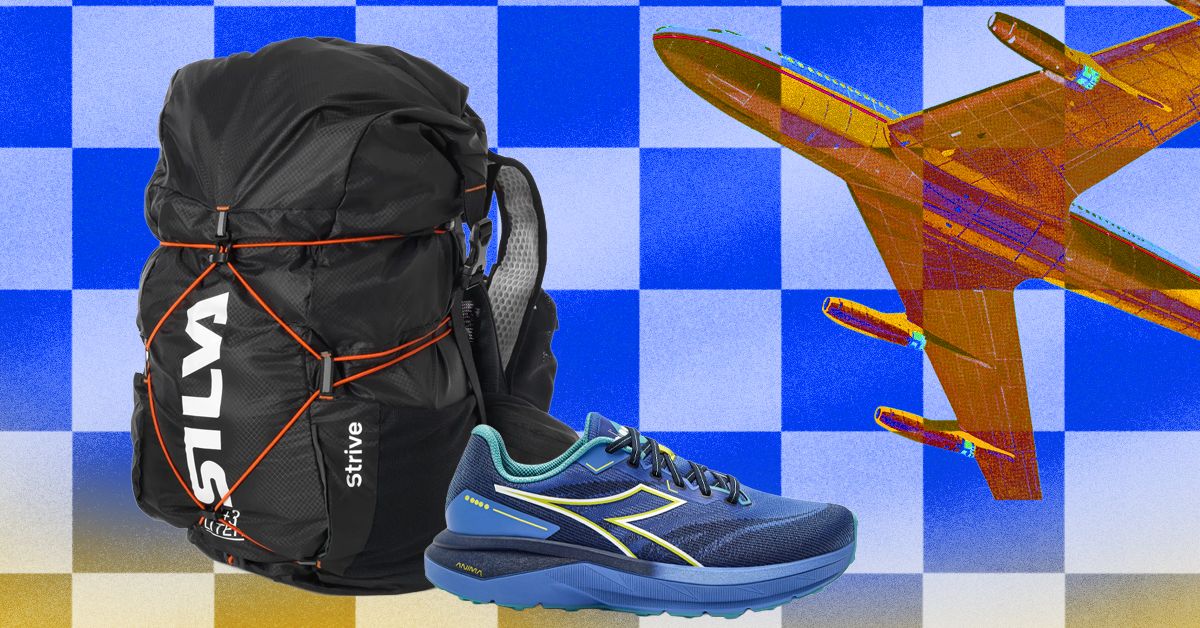
Choosing the right gear for ultra-long-distance trail running is crucial to both performance and safety. A key development in recent years has been the rise of gravel running shoes, which offer a balanced combination of cushioning and grip. These shoes are designed to handle varied terrain without sacrificing comfort over extended distances, helping runners reduce fatigue and risk of injury. Equally important is selecting a backpack that fits well and minimizes bounce. A well-fitted pack evenly distributes weight across the torso, which prevents chafing and muscle strain during long days on the trail. Many runners now opt for backpacks with adjustable straps and lightweight materials to achieve this balance. For navigation and safety, high-end GPS watches equipped with satellite emergency features have become indispensable. These devices provide real-time tracking and allow runners to call for help in remote areas where cell service is unreliable. This technology adds a vital layer of security, enabling runners to explore challenging routes with greater confidence. Nutrition strategies emphasize lightweight, compact foods that deliver sustained energy without adding bulk. Many ultra-runners rely on calorie-dense gels, bars, and dehydrated meals that are easy to carry and consume on the move. Alongside nutrition, blister prevention techniques—such as moisture-wicking socks, proper shoe fit, and strategic taping—are essential to maintaining foot health and overall performance throughout multi-day events. Together, these gear choices and packing tips reflect a thoughtful approach that balances minimalism with the need for essential equipment, helping runners prepare effectively for the demands of ultra-long-distance trail running.

Impact of Proper Gear on Performance and Safety

Proper gear selection is more than just a checklist for ultra-long-distance trail runners—it directly influences both performance and safety in profound ways. The right shoes, for instance, provide the necessary cushioning and grip to navigate diverse terrains comfortably, reducing fatigue and minimizing injury risks like sprains or blisters that can derail an entire multi-day run. Similarly, a well-designed backpack that fits snugly and distributes weight evenly can prevent muscle strain and improve endurance by allowing runners to move more efficiently over long distances. Beyond comfort and efficiency, safety gear such as GPS watches equipped with satellite emergency features can be lifesaving in remote environments. These devices offer real-time tracking and immediate access to emergency services, providing peace of mind and a crucial safety net when help is far away. Nutrition and blister prevention strategies embedded in gear choices also play a pivotal role; carrying lightweight, compact fuel ensures sustained energy levels without adding unnecessary bulk, while proper foot care prevents painful blisters that can compromise mobility. For the ultra-long-distance trail running community, investing in appropriate gear translates into a more enjoyable, sustainable, and secure experience. Industry stakeholders benefit from understanding these practical impacts, as innovations that enhance comfort, durability, and safety meet the evolving demands of this challenging sport. Ultimately, informed gear decisions empower runners to push their limits confidently, turning arduous multi-day adventures into rewarding personal achievements.

Key Insights for Your Next Ultra Trail Run

When preparing for an ultra-long-distance trail run, the key takeaway is to prioritize gear that balances durability, comfort, and functionality without overpacking. Opt for gravel running shoes that offer reliable cushioning and grip to protect your feet over varied terrain. Choose a backpack designed to minimize bounce and evenly distribute weight, reducing fatigue on long days. A GPS watch equipped with satellite emergency features isn’t just a nice-to-have—it’s a critical safety tool when you’re far from help. Nutrition should focus on lightweight, compact options that provide sustained energy without adding bulk. Finally, don’t overlook blister prevention strategies, as maintaining foot health is essential for keeping pace and enjoying your run. By thoughtfully selecting and packing your gear with these principles in mind, you’ll be well-equipped to tackle the challenges of multi-day trail adventures with confidence and comfort.
Ссылка на первоисточник
Greenland ice melt has surged sixfold and scientists are alarmed
Science & Tech

Greenland’s Ice Melt Surges Since 1990

Greenland’s ice melt has accelerated sixfold since 1990, driven mainly by rising temperatures rather than atmospheric shifts. Extreme melt…