Source-backed lead

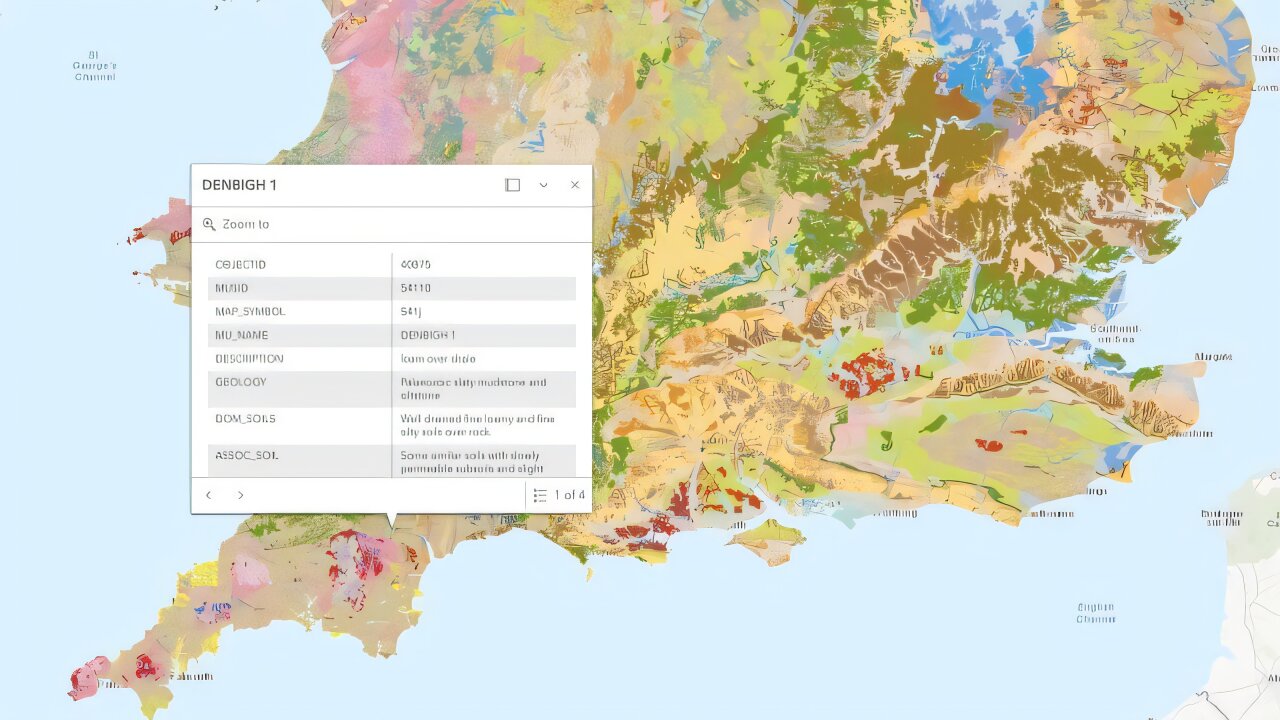
The UK government, in collaboration with Cranfield University, has launched a new open-access national soil database hosted on the LandISPortal. This comprehensive resource compiles over 30,000 soil samples and 250,000 observations, providing free access to critical environmental data for agriculture, urban planning, and research. This initiative aims to support sustainable land management, combat soil degradation, and enhance transparency in policy-making. The database represents a significant step toward safeguarding soil health, which is vital for the UK's food security and climate resilience. Read more.

Key takeaways

  • The database contains over 30,000 soil samples and 250,000 observations.
  • It is hosted on Cranfield University’s LandISPortal and freely accessible to all users.
  • The initiative supports sustainable land management and combats soil degradation.
  • The data enhances transparency for improved policy-making and environmental research.
  • This project aligns with the UK’s goals for soil health, food security, and climate resilience.

What happened

In April 2026, the UK government, in partnership with Cranfield University, launched an open-access national soil database hosted on the LandISPortal. This database compiles data from over 30,000 soil samples alongside 250,000 observations collected nationwide. The initiative provides free, detailed soil information to support agriculture, urban planning, and environmental research. By making this data publicly available, it aims to enhance sustainable land management practices and address ongoing soil degradation. This comprehensive resource enables researchers, policymakers, and professionals to make informed decisions that promote soil health, food security, and climate resilience across the UK.

What the source actually says

The original Phys.org report from April 2026 details the launch of the UK’s open-access National Soil Database on Cranfield University’s LandISPortal. It confirms the database compiles over 30,000 soil samples and 250,000 observations, making extensive soil data freely available to the public. The article highlights the database’s design to support agricultural professionals, urban planners, researchers, and policymakers by providing essential information for sustainable land management and environmental research. It underscores the government’s goal to combat soil degradation and improve transparency in environmental data to enhance decision-making. It is clear from this source that the UK government and Cranfield University collaboratively launched this comprehensive soil database to support soil health, food security, and climate resilience. The Phys.org article serves as the primary announcement detailing the initiative’s scope and purpose. For full details, the original Phys.org article can be accessed here.

Why it matters

The launch of the UK’s open-access national soil database marks a major advancement in sustainable land management. By providing free and comprehensive soil data, the initiative empowers farmers, urban planners, researchers, and policymakers with the information necessary to protect soil health and support food security. The database also addresses broader environmental challenges such as soil degradation and climate resilience. With over 30,000 soil samples and 250,000 observations available, it fosters transparency and collaboration among stakeholders, enabling evidence-based policies and innovative research that drive long-term environmental sustainability. Ultimately, this resource strengthens the UK’s commitment to safeguarding natural resources while promoting economic and ecological benefits. Its accessibility ensures diverse users can contribute to and benefit from improved land use practices, highlighting the critical role of soil data in addressing current and future environmental challenges.

Numbers, dates, and hard facts

The UK National Soil Database was launched in April 2026 and is hosted on Cranfield University's LandISPortal.
  • Contains data from over 30,000 soil samples.
  • Includes approximately 250,000 soil observations.
  • Data is freely accessible to the public, supporting agriculture, urban planning, and environmental research.
  • Aims to combat soil degradation and promote sustainable land use across the UK.
  • Supports government goals related to soil health, food security, and climate resilience.
  • Enhances transparency to improve policy-making and scientific research decisions.
The database is regularly updated to ensure current and comprehensive soil information is available for environmental scientists, agricultural professionals, urban planners, policymakers, and researchers.

What to watch next

Looking ahead, stakeholders should monitor how frequently the UK National Soil Database is updated and expanded with new data, which will be critical to maintaining its relevance and utility. Upcoming policy decisions influenced by insights from this comprehensive soil data will be important to watch, particularly those addressing soil degradation and sustainable land use. Researchers and users will also observe how the database integrates with other environmental monitoring systems and whether it drives measurable improvements in agricultural productivity, urban planning, and climate resilience. Continued transparency in data accessibility and responsiveness to user feedback will shape the database’s long-term impact on science and policy.
Ссылка на первоисточник
Greenland ice melt has surged sixfold and scientists are alarmed
Science & Tech

Greenland’s Ice Melt Surges Since 1990

Greenland’s ice melt has accelerated sixfold since 1990, driven mainly by rising temperatures rather than atmospheric shifts. Extreme melt…