Sunlight Turns Plastic Waste Into Hydrogen and More
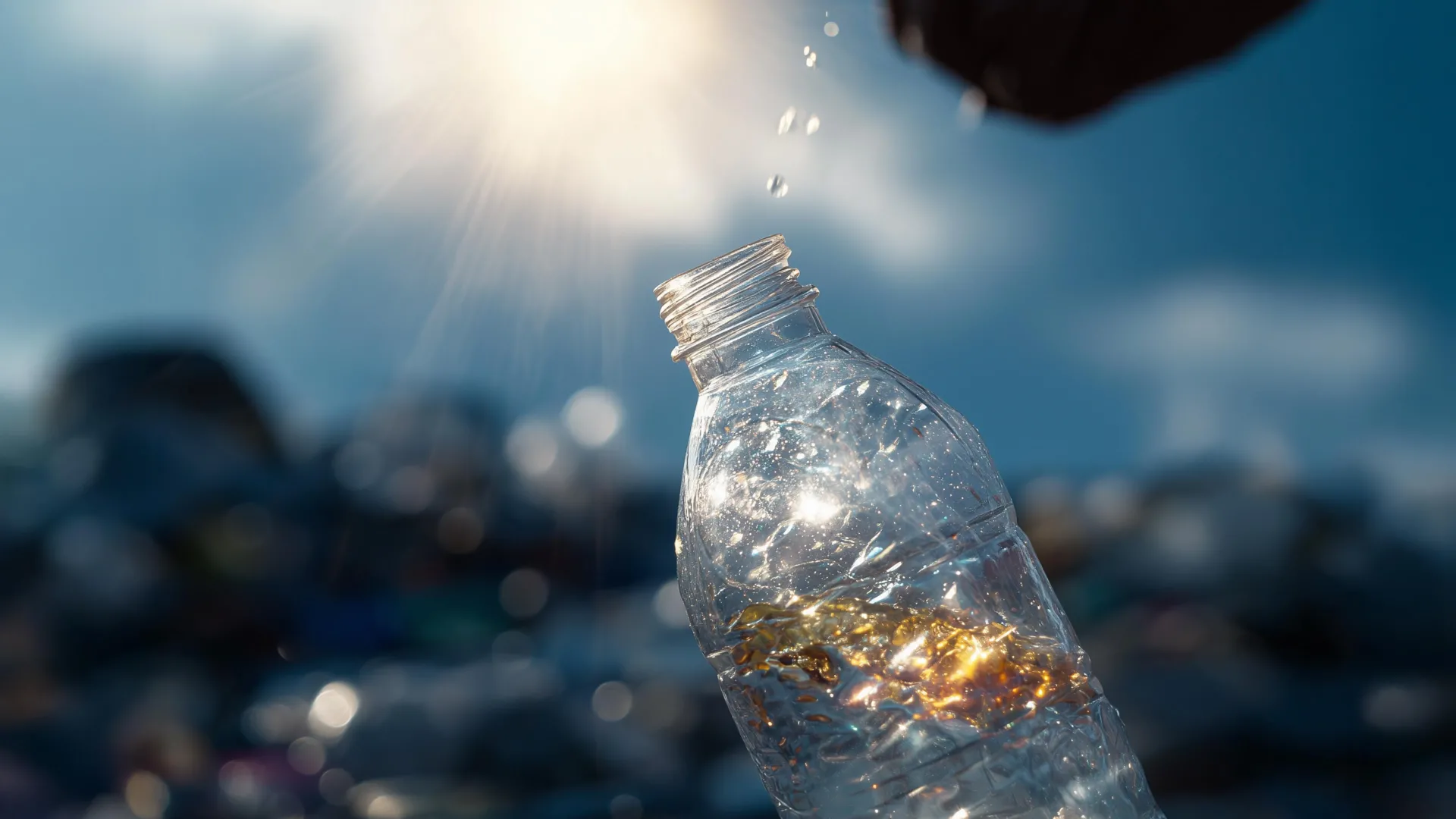
Adelaide researchers have demonstrated a sunlight-driven process that converts plastic waste into hydrogen and other valuable chemicals. Using photocatalysis, their method breaks down plastics into hydrogen, syngas, acetic acid, and diesel-range hydrocarbons. This dual-purpose approach tackles mounting plastic pollution while generating clean energy, leveraging plastics’ rich carbon and hydrogen content that’s easier to oxidize than water. The lab setup has sustained continuous operation for over 100 hours, suggesting growing robustness. Yet, challenges remain—real-world plastic waste varies chemically, catalysts wear down, and separating products demands significant energy. While promising, practical deployment will likely take decades, not years, as researchers refine reactors and hybrid solar-thermal-electrical systems to scale this innovation.
Lab Success and Ongoing Challenges
The Adelaide team’s lab experiments have shown sunlight-driven photocatalysis can break down plastic waste into hydrogen and other valuable chemicals. Their reactors have run continuously for over 100 hours, indicating improved catalyst durability under controlled conditions. But this is early progress.
Real-world plastic waste is chemically complex—mixed polymers, additives, and contaminants accelerate catalyst degradation. That degradation reduces efficiency and demands frequent maintenance or replacement.
Separating hydrogen, syngas, and liquid products requires significant energy, which risks eroding environmental benefits. To address this, the team is exploring continuous-flow reactors combined with hybrid solar-thermal-electrical systems to boost efficiency and scalability.
The work confirms sunlight-powered plastic conversion to hydrogen is technically viable. But scaling up will be slow and incremental, stretching over decades rather than years.
Why Plastics Could Outperform Water in Hydrogen Production
Hydrogen production typically relies on water splitting, but plastics offer an unexpected advantage. Plastics contain abundant carbon and hydrogen atoms bound in long chains, making them easier to break down and release hydrogen under sunlight-driven photocatalysis.
Water splitting demands high energy to break strong O-H bonds, limiting efficiency. Plastics store chemical energy in their hydrocarbon chains. When exposed to sunlight and catalysts, these chains break apart, releasing hydrogen plus valuable byproducts like syngas and acetic acid. This multi-output process contrasts with water electrolysis, which produces just hydrogen and oxygen.
Still, plastics aren’t uniform. Waste streams mix polymers with additives and contaminants, complicating reactions. Catalysts degrade faster in these harsher conditions, and separating products requires energy-intensive steps.
Despite these hurdles, plastics’ chemical makeup makes them a compelling feedstock for hydrogen, especially when paired with evolving reactor designs that improve durability and efficiency.
Scaling Up and What It Means for Clean Energy

Scaling this sunlight-driven plastic-to-hydrogen process from lab to market won’t be quick or simple. The Adelaide team’s continuous 100-hour runs are promising but far from the months or years of stable operation industrial use demands. Catalyst degradation remains a major hurdle; real-world plastics contain additives and contaminants that could accelerate wear and reduce efficiency.
Handling this chemical complexity at scale means reactors must be robust and adaptable, not just optimized for pure lab samples.
Energy use for separating hydrogen and other products adds another layer of complexity. If the process consumes too much power or requires costly inputs, the environmental and economic benefits shrink. Hybrid solar-thermal-electrical systems might improve efficiency but raise engineering challenges and upfront costs. Continuous-flow reactors appear practical, yet scaling them while maintaining catalyst activity and product purity is tricky.
For industry and policymakers, cautious optimism is warranted. Plastic waste as a hydrogen source could join a diversified clean energy mix but won’t replace existing methods anytime soon. Investments in pilot plants and durability studies are essential to move beyond proof of concept. The technology’s promise lies in turning persistent pollution into a resource, but realistic timelines stretch over decades. Meanwhile, regulations and market incentives will need to evolve to support such hybrid, circular approaches to energy and waste management.
Global Digests News delivers timely, credible coverage of world affairs, politics, economy, and technology to keep you informed on today’s top stories.