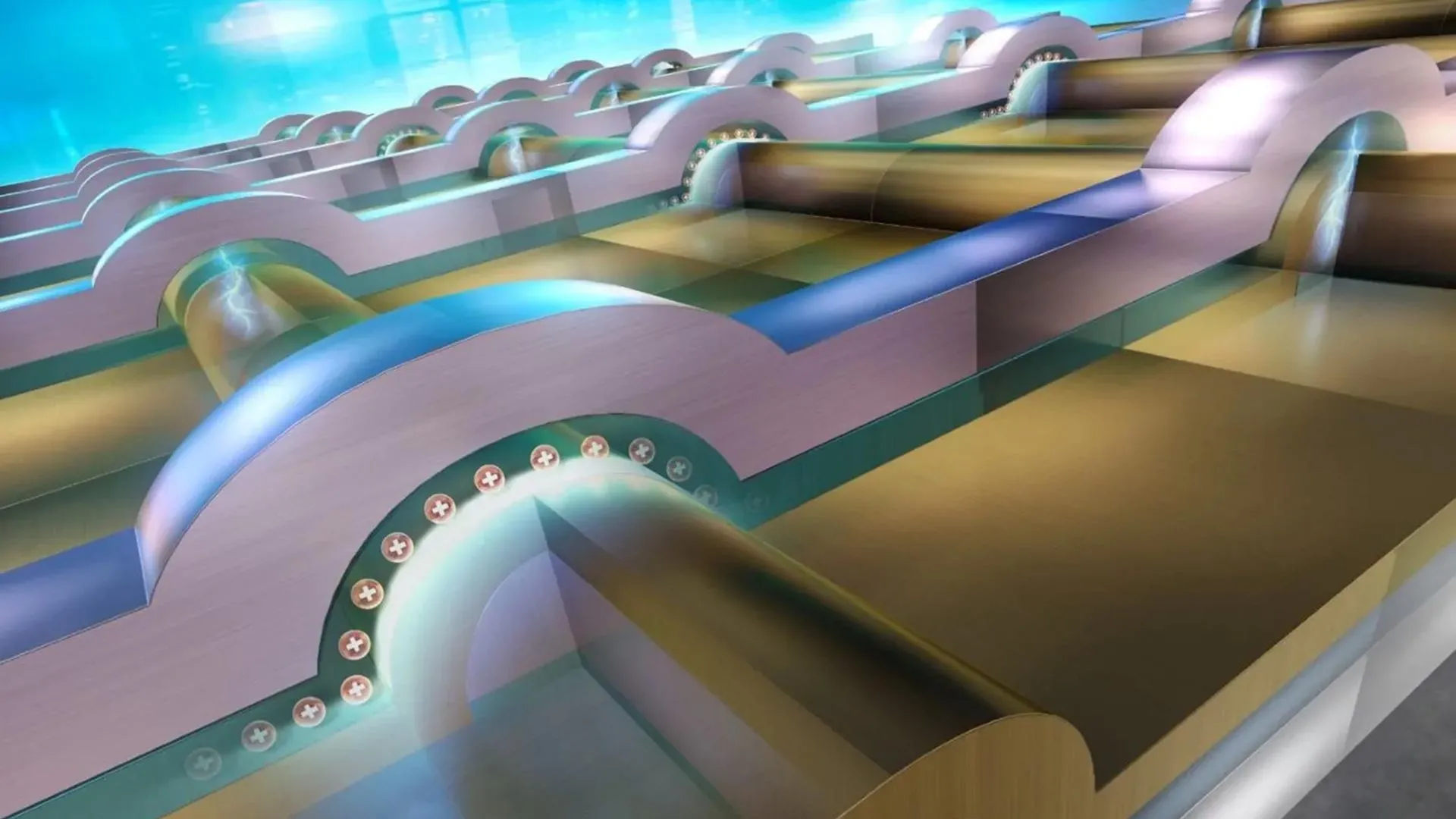
Revolutionizing Memory Chip Miniaturization

The Institute of Science Tokyo has unveiled a groundbreaking memory chip that defies the longstanding miniaturization limits in semiconductor technology. By leveraging a novel application of hafnium oxide to preserve electric polarization even at nanoscale thicknesses, this chip not only sustains but enhances performance as it shrinks. This advancement marks a pivotal shift, addressing critical issues like current leakage, device overheating, and battery drain that have constrained the evolution of smaller, more powerful memory components. What sets this innovation apart is its nearly single-crystal structure fabrication method, which dramatically reduces energy loss without compromising compatibility with existing semiconductor manufacturing processes. The immediate implications are profound: faster, more energy-efficient devices with significantly extended battery life. This breakthrough opens new doors for high-demand applications ranging from smartphones and wearables to advanced AI systems, positioning the technology at the forefront of next-generation electronics development.

Innovative Use of Hafnium Oxide and Crystal Structure

In May 2026, researchers at the Institute of Science Tokyo unveiled a pioneering memory chip that leverages hafnium oxide to overcome longstanding miniaturization challenges. Central to this breakthrough is the material’s ability to sustain electric polarization even at nanoscale thicknesses, a critical factor for maintaining data retention as chip components shrink. The team developed a fabrication process that produces a nearly single-crystal structure of hafnium oxide. This crystalline uniformity significantly reduces current leakage—a common issue in ultra-thin memory layers that leads to overheating and rapid battery depletion in devices. By minimizing leakage currents, the chip achieves enhanced energy efficiency and thermal stability, addressing two major hurdles in modern memory technology. Importantly, the hafnium oxide-based chip is compatible with existing semiconductor manufacturing processes. This compatibility ensures that integration into current production lines can proceed without extensive retooling, accelerating the technology’s path from laboratory to commercial application. This innovation marks a significant technical advance by combining material science with precision crystal engineering. The controlled growth of the nearly single-crystal hafnium oxide layer enables reliable polarization maintenance, which is essential for non-volatile memory performance at scales previously deemed unattainable. Overall, the development represents a concrete step forward in memory chip miniaturization, promising faster, more power-efficient devices with longer battery life. Its applications are poised to impact a broad range of electronics, including smartphones, wearable technology, and AI hardware, where compact, reliable memory is crucial.

Challenges in Current Memory Chip Technologies

Memory chip technology has long grappled with the fundamental challenge of miniaturization. As device components shrink to meet demands for higher performance and greater storage capacity, traditional materials and architectures encounter physical and electrical limits. Conventional ferroelectric materials, for example, lose their ability to maintain stable electric polarization below certain thickness thresholds, leading to diminished performance and increased power consumption. Additionally, current fabrication methods often result in polycrystalline structures that generate leakage currents, causing overheating and rapid battery drain in portable electronics. These constraints have slowed progress in scaling down memory chips without compromising reliability or efficiency. The breakthrough developed by the Institute of Science Tokyo addresses these critical bottlenecks by introducing materials and crystal structures that preserve functionality at nanoscale dimensions, marking a significant step forward in overcoming longstanding miniaturization barriers.

Potential Impact on Devices and Industry

The advent of this hafnium oxide-based memory chip marks a significant turning point for the electronics industry, with practical implications that extend across multiple sectors. For device manufacturers, the ability to maintain reliable electric polarization at nanometer scales directly translates into memory components that are both smaller and more energy-efficient. This reduction in size without performance loss enables slimmer, lighter devices—an increasingly critical factor in consumer electronics design. Moreover, the chip’s nearly single-crystal structure substantially curtails current leakage, addressing long-standing issues of overheating and battery drain that have constrained mobile devices and wearables. Users can expect longer battery life and improved thermal management, which not only enhances user experience but also reduces the need for bulky cooling solutions, thereby further streamlining device form factors. From an industry perspective, compatibility with existing semiconductor manufacturing processes is a crucial advantage. This compatibility facilitates smoother integration into current production lines, minimizing costly retooling and accelerating time-to-market. Consequently, manufacturers can adopt this technology rapidly, gaining competitive leverage by delivering faster, more reliable memory solutions tailored for AI applications, Internet of Things (IoT) devices, and next-generation smartphones. Policy and market stakeholders should note the broader implications for supply chains and energy consumption. By enabling more efficient devices, this innovation supports sustainability goals through reduced power demands. Additionally, it may shift market dynamics by raising the performance baseline for memory chips, prompting a reevaluation of standards and potentially influencing regulatory frameworks around electronic device efficiency. In summary, the breakthrough not only overcomes miniaturization barriers but also sets a new benchmark for performance and efficiency. Its ripple effects will be felt across device capabilities, manufacturing strategies, and energy policies, underscoring its transformative potential in shaping the future landscape of technology.

Future Directions and Industry Adoption

Looking ahead, the next critical milestones for this pioneering memory chip technology will revolve around scaling its production and validating long-term reliability under real-world conditions. Industry adoption hinges on comprehensive testing to confirm that the hafnium oxide-based chips maintain their superior electric polarization and low leakage characteristics consistently across large manufacturing volumes. Observers should watch for announcements from semiconductor manufacturers regarding pilot production runs and integration trials within existing fabrication lines, as compatibility with current processes is a key advantage highlighted by the Institute of Science Tokyo. Another important signal will be the chip’s performance in diverse device environments, particularly in smartphones, wearables, and AI hardware where power efficiency and thermal management are paramount. Early benchmarks demonstrating tangible improvements in battery life and reduced overheating will be decisive in accelerating adoption. Additionally, tracking collaborations or licensing agreements between the research institute and industry leaders can provide insight into the technology’s commercial trajectory. Open questions remain around the chip’s endurance over extended operational cycles and its behavior under varied environmental stresses. Addressing these will be essential to ensure the technology’s robustness and to meet the stringent standards of consumer electronics and data centers alike. As research progresses, incremental refinements in the crystal growth process and material engineering may further enhance performance and yield. In summary, the coming months and years will be pivotal for translating this breakthrough from laboratory success to widespread industry implementation. Stakeholders should focus on production scalability, device-level validation, and ecosystem partnerships as the primary indicators of this technology’s transformative potential in overcoming the miniaturization limits that have constrained memory chip innovation to date.

Frequently Asked Questions About the New Memory Chip

The chip’s uniqueness lies in its use of hafnium oxide to sustain electric polarization even at nanoscale thicknesses, combined with a nearly single-crystal structure fabrication. This approach overcomes traditional miniaturization limits by reducing current leakage and maintaining performance as the chip shrinks.

How does hafnium oxide contribute to the chip's performance?

Hafnium oxide enables stable electric polarization at extremely thin layers, which is critical for reliable data storage in memory chips. This material property allows the chip to maintain functionality and efficiency at scales smaller than conventional materials permit.

What challenges in current memory chip technology does this breakthrough address?

The breakthrough tackles key issues such as increased current leakage, overheating, and battery drain that arise as chips are miniaturized. By reducing leakage and improving thermal stability, the new chip enhances device reliability and energy efficiency.

In what types of devices could this new memory chip technology be applied?

This technology is well-suited for integration into smartphones, wearable devices, and AI hardware, where compact size, low power consumption, and high performance are essential. Its compatibility with existing semiconductor manufacturing processes facilitates broad adoption across these sectors.

Ссылка на первоисточник
Greenland ice melt has surged sixfold and scientists are alarmed
Science & Tech

Greenland’s Ice Melt Surges Since 1990

Greenland’s ice melt has accelerated sixfold since 1990, driven mainly by rising temperatures rather than atmospheric shifts. Extreme melt…