
The Challenge of One-Size-Fits-All in Long COVID Care
Emerging Evidence on the Limitations of Generic Medical Advice
Recent analyses have highlighted significant shortcomings in applying generic medical advice to long COVID patients. Early in the pandemic, standard recommendations such as graded exercise therapy and uniform dietary guidelines were broadly promoted to manage persistent symptoms. However, accumulating evidence throughout 2022 and into 2023 revealed that these one-size-fits-all approaches often fail to address the heterogeneous nature of long COVID.
A pivotal commentary published by New Scientist in early 2023 underscored the risks associated with universal treatment protocols. The article detailed cases where patients experienced exacerbation of symptoms following standard exercise regimens, particularly those with post-exertional malaise—a hallmark complication in many long COVID sufferers. This recognition marked a turning point, prompting clinicians and researchers to reconsider the safety and efficacy of blanket medical advice.
Subsequent clinical reviews and patient surveys reinforced the need for tailored interventions. By mid-2023, health authorities began advocating for comprehensive assessments that account for individual symptom profiles, comorbidities, and functional capacities. This shift aims to prevent inadvertent harm and optimize recovery trajectories by aligning treatment strategies with the complex, fluctuating presentations of long COVID.
Overall, the emerging evidence firmly establishes that generic medical advice is insufficient and potentially detrimental for long COVID care. It calls for a paradigm shift towards personalized medicine, emphasizing nuanced evaluation and customized therapeutic plans to improve outcomes and safeguard patient well-being.
Understanding the Complexity and Diversity of Long COVID Symptoms
Why Personalized Treatment is Crucial for Patient Safety and Recovery
The shift toward personalized treatment for long COVID is not just a clinical preference but a critical imperative for patient safety and recovery. Applying generic medical advice—such as standardized exercise regimens or uniform dietary guidelines—risks exacerbating symptoms or causing additional harm in individuals whose conditions are multifaceted and highly variable. For patients, this means that without tailored care, recovery trajectories can be unpredictable and potentially worsened by well-intentioned but inappropriate interventions.
For healthcare providers and systems, the stakes involve more than individual outcomes; they encompass resource allocation, clinical efficacy, and trust in medical guidance. Personalized approaches demand comprehensive assessment protocols, interdisciplinary collaboration, and adaptive care plans that respond to evolving symptom patterns. This complexity challenges existing care models but also opens avenues for more effective management strategies that can reduce long-term disability and healthcare burdens.
Policy makers and health authorities must recognize the necessity of supporting research, infrastructure, and training to facilitate individualized care pathways. Investment in data-driven analytics and patient-centered frameworks will be essential to translate emerging scientific insights into practical protocols. Without this, the risk remains that long COVID patients will continue to receive fragmented or unsuitable care, undermining broader public health goals.
Ultimately, embracing personalized treatment paradigms for long COVID aligns with a broader movement in medicine toward precision health—where interventions are tailored not only to disease categories but to the unique biological and experiential realities of each patient. This approach promises improved outcomes, reduced harm, and a more resilient healthcare system capable of addressing the complexities of post-viral syndromes and chronic illnesses.
Future Directions in Tailored Healthcare Strategies for Long COVID
As the medical community continues to unravel the multifaceted nature of long COVID, the imperative for tailored healthcare strategies becomes increasingly evident. Future progress hinges on the identification and validation of biomarkers that can stratify patients according to their unique symptom clusters and underlying pathophysiological mechanisms. Clinicians and researchers should closely monitor emerging longitudinal studies that track patient responses to individualized interventions, as these will provide critical insights into optimizing treatment efficacy and safety.
Key milestones to watch include the development of standardized diagnostic frameworks that integrate clinical, immunological, and neurological assessments, enabling more precise patient phenotyping. Advances in digital health tools and remote monitoring technologies also promise to enhance personalized care delivery by capturing real-time symptom fluctuations and treatment responses. Furthermore, ongoing clinical trials investigating targeted therapies tailored to specific long COVID subtypes will be instrumental in establishing evidence-based protocols.
Open questions remain regarding the interplay of genetic, environmental, and psychosocial factors influencing long COVID trajectories, underscoring the need for multidisciplinary collaboration and data sharing. As healthcare systems adapt, the integration of patient-reported outcomes and shared decision-making models will be essential to align treatment strategies with individual patient goals and tolerances.
In sum, the path forward requires a measured, data-driven approach that prioritizes patient heterogeneity and safety. Stakeholders should remain attentive to validated signals from emerging research, regulatory guidance, and clinical best practices that collectively shape personalized long COVID management. This evolving paradigm promises not only to mitigate harm from generic interventions but also to enhance recovery and quality of life for those affected by this complex condition.
Common Questions About Personalized Long COVID Management
Long COVID presents with a wide range of symptoms and varying severity among patients, making uniform treatment plans ineffective or even harmful. A single approach fails to address individual differences in symptom patterns, underlying health conditions, and responses to interventions, which can lead to inadequate care or worsening of symptoms.
What are the risks of applying generic medical advice to long COVID patients?
Generic recommendations, such as standardized exercise regimens or dietary guidelines, may not suit all long COVID patients. For some, such advice can exacerbate fatigue, post-exertional malaise, or other symptoms, potentially causing further physical and psychological harm rather than aiding recovery.
How can personalized treatment improve outcomes for long COVID patients?
Personalized treatment plans tailored to each patient’s unique symptom profile and health status can optimize recovery by targeting specific needs and avoiding interventions that may trigger symptom flare-ups. This approach enhances patient safety, improves quality of life, and supports more effective management of complex, multisystem conditions.
What factors should be considered when creating individualized long COVID care plans?
Care plans should consider symptom diversity, severity, coexisting medical conditions, patient lifestyle, and response to previous treatments. Incorporating multidisciplinary assessments and ongoing monitoring allows clinicians to adjust interventions dynamically, ensuring treatments remain appropriate as patient conditions evolve.

Global Digests News delivers timely, credible coverage of world affairs, politics, economy, and technology to keep you informed on today’s top stories.

Bohmian Mechanics: Revisiting Quantum Determinism After New Tests
Bohmian mechanics, once sidelined, returned to focus after a 2025 photon tunneling experiment tested its deterministic claims. The results…

Dark Matter Detection: Innovations Inspired by Henry Cavendish's Experiment
A modern take on Henry Cavendish’s 18th-century torsion balance proposes nested metal shells and ultra-sensitive voltage measurements to de…

Greenland’s Ice Melt Surges Since 1990
Greenland’s ice melt has accelerated sixfold since 1990, driven mainly by rising temperatures rather than atmospheric shifts. Extreme melt…

Health Insurance Marketplaces Leak Sensitive Data to Ad Tech Giants
Nearly all U.S. state health insurance marketplaces have exposed sensitive applicant data—including citizenship and race—to major ad tech f…
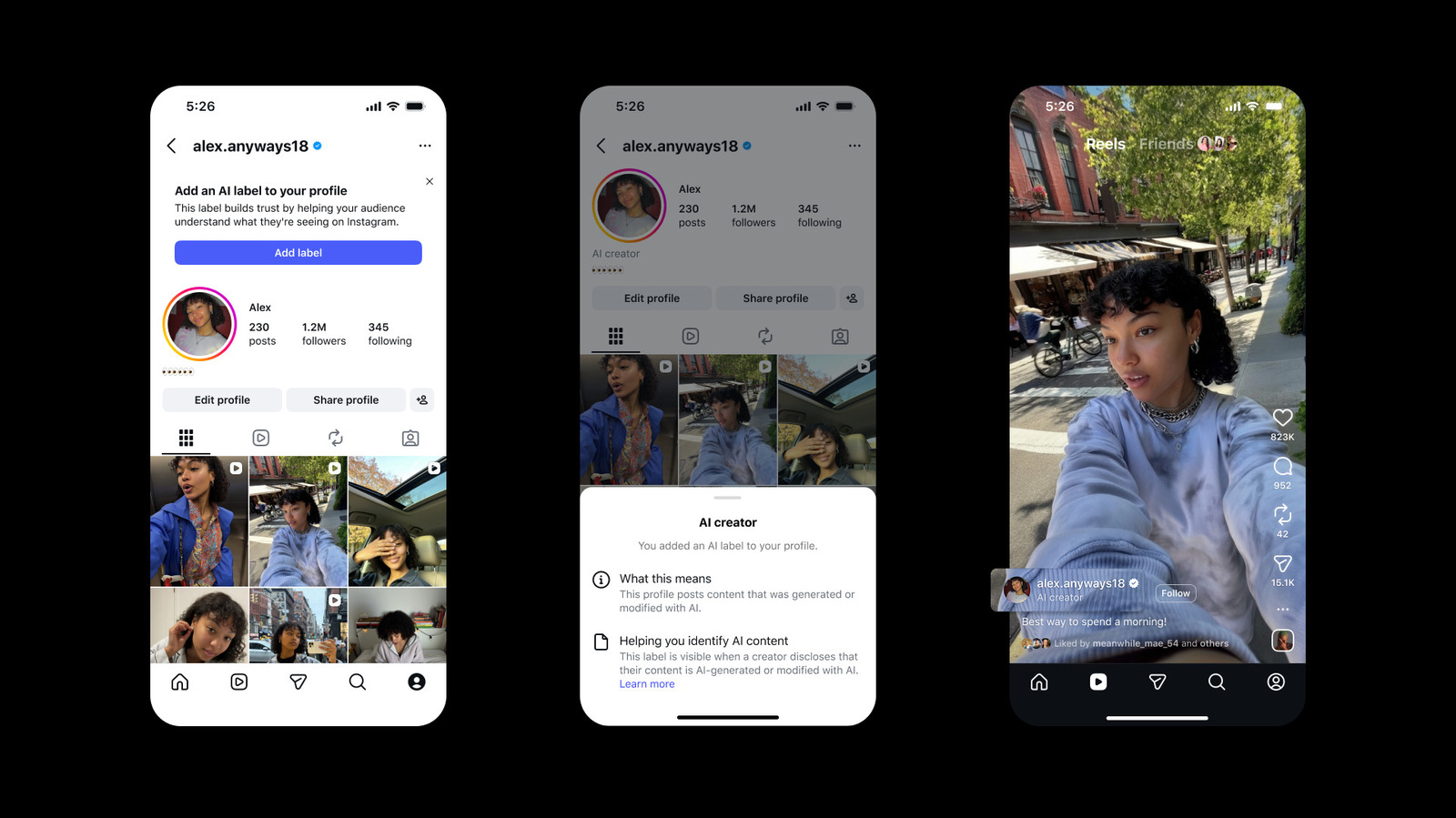
Instagram’s Voluntary AI Creator Label: A Tentative Step Toward Transparency
Instagram has launched an optional “AI creator” label for posts generated or altered by AI. Without automated detection, the system relies…

Uber’s Ambitious Expansion and Innovation
Uber CEO Dara Khosrowshahi lays out a vision to transform Uber into a travel and service platform. By integrating Expedia hotel bookings an…
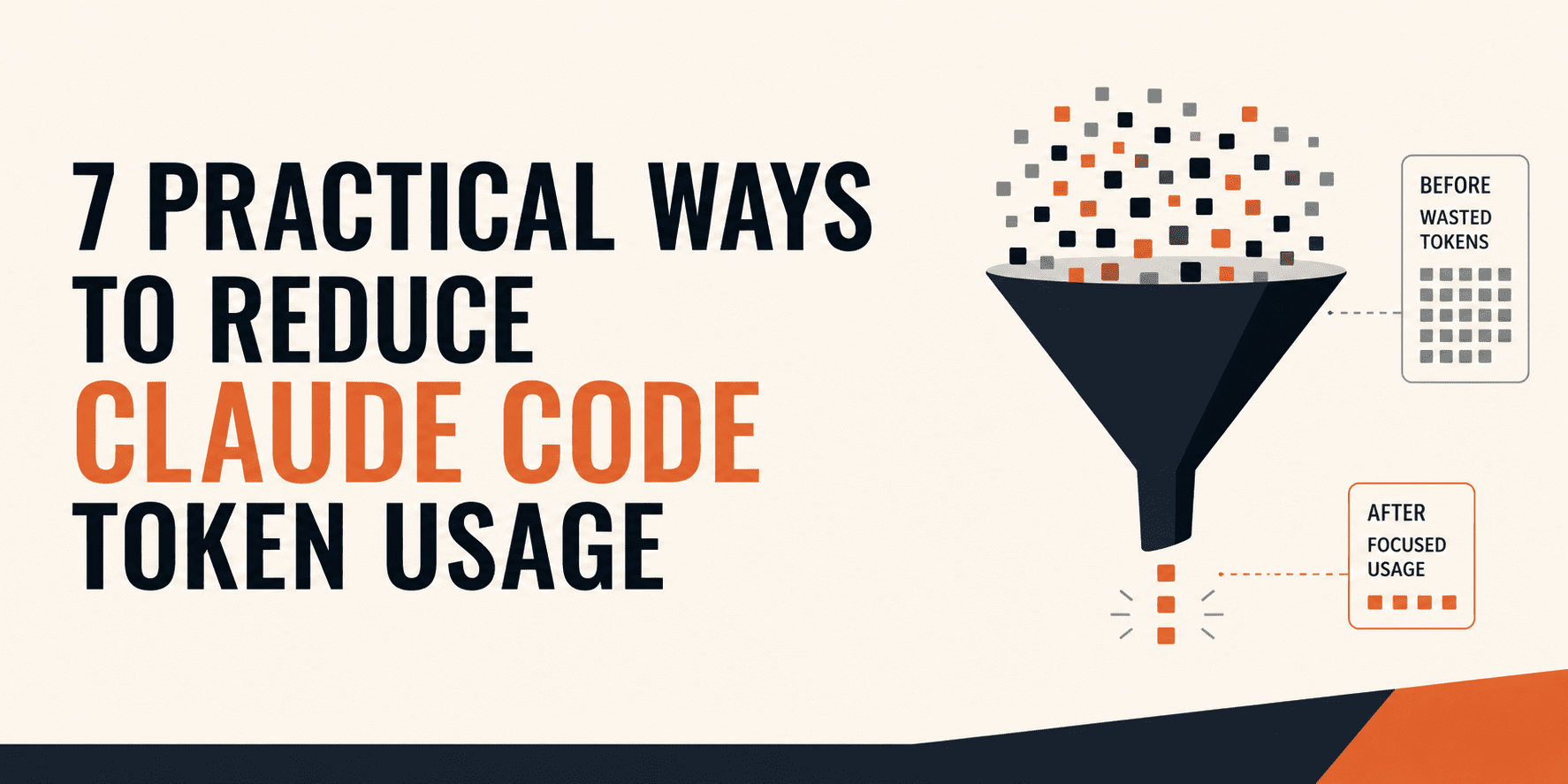
Claude Code Cost Control: Context Architecture Over Prompt Optimization
Claude Code’s costs stem less from prompt length and more from accumulated context—files, memory, and tool outputs that build up each sessi…

Leonardo da Vinci’s DNA May Finally Be Decoded
Researchers have mapped a 21-generation paternal lineage from 1331 to today, identifying 15 living male descendants of Leonardo da Vinci. G…