Introducing Ouster’s Rev8: A New Era in Lidar Technology
Ouster’s launch of the Rev8 lidar sensors marks a pivotal shift in autonomous vehicle and robotics perception technology. By seamlessly integrating high-resolution color imaging with precise 3D depth sensing, the Rev8 challenges the longstanding reliance on separate camera and lidar systems. This fusion not only streamlines sensor architectures but also significantly reduces the complexity and latency inherent in traditional data fusion processes.
At the heart of this innovation lies Ouster’s digital lidar architecture paired with custom Single-Photon Avalanche Diode (SPAD) detectors, delivering enhanced sensitivity and vivid color fidelity. Notably, the OS1 Max sensor extends detection ranges up to 500 meters while maintaining a compact form factor, addressing critical industry demands for both performance and scalability. As autonomous systems increasingly seek efficiency and cost-effectiveness, the Rev8 positions itself as a transformative solution capable of simplifying perception stacks without compromising on accuracy or detail.
Key Features and Innovations of the Rev8 Sensors
Ouster’s Rev8 sensor line represents a significant leap in lidar technology by combining high-resolution color imaging directly with 3D depth sensing. This integration is achieved through a digital lidar architecture underpinned by custom-designed single-photon avalanche diode (SPAD) detectors, which provide enhanced sensitivity and accurate color fidelity. Released in early 2026, the Rev8 sensors aim to streamline perception systems in autonomous vehicles and robotics by consolidating what traditionally required separate lidar and camera units into a single, unified sensor.
A key innovation within the Rev8 family is the OS1 Max sensor, which delivers long-range detection capabilities up to 500 meters while maintaining a compact form factor suitable for vehicle integration. This extended range marks a substantial improvement over previous models, enabling earlier and more reliable obstacle detection to enhance safety and navigation in complex environments. The sensor’s ability to capture both color and depth data simultaneously reduces the computational overhead and latency associated with fusing disparate sensor inputs, resulting in faster and more accurate environmental perception.
Moreover, the Rev8’s architecture leverages digital signal processing to improve data quality and robustness under varying lighting conditions. By embedding color imaging directly into the lidar system, Ouster addresses longstanding challenges in sensor fusion, such as synchronization errors and calibration drift, which often complicate autonomous system design. The result is a more efficient perception stack that can reduce hardware costs and simplify vehicle sensor arrays.
Overall, the Rev8 sensors embody Ouster’s strategic response to industry demands for higher performance, lower complexity, and cost-effective sensing solutions. Their introduction signals a shift toward integrated sensor platforms that could redefine how autonomous vehicles and robotic systems perceive and interact with their surroundings.
Industry Trends and the Need for Integrated Sensor Solutions
Impact on Autonomous Vehicles and Robotics Perception Systems
Ouster’s Rev8 lidar sensors mark a pivotal shift in how autonomous vehicles and robotic systems perceive their environments, with significant practical implications for manufacturers, developers, and end-users. By integrating high-resolution color imaging directly with 3D depth sensing, the Rev8 architecture streamlines sensor arrays that traditionally required separate lidar units and cameras. This consolidation reduces the complexity and latency inherent in fusing disparate data streams, enabling faster and more reliable environmental interpretation—a critical advantage for real-time decision-making in autonomous navigation and robotic manipulation.
For the autonomous vehicle industry, the enhanced sensitivity and color fidelity of Rev8 sensors translate into improved object recognition and classification, which are essential for safely navigating complex urban and highway scenarios. The OS1 Max’s extended detection range of up to 500 meters further bolsters situational awareness, allowing vehicles to anticipate and respond to obstacles or hazards at greater distances. This capability not only advances safety margins but also supports higher-speed operation and smoother traffic integration.
From a systems engineering perspective, the Rev8’s compact form factor and digital lidar architecture facilitate easier integration into existing platforms, potentially lowering hardware and maintenance costs. By reducing the need for multiple sensor types, manufacturers can simplify vehicle designs, decrease overall weight, and improve energy efficiency—factors that directly impact production scalability and operational economics.
Moreover, robotics applications stand to benefit from the Rev8’s unified sensing approach, as it enables more precise spatial awareness and scene understanding in dynamic or cluttered environments. This can accelerate advancements in warehouse automation, delivery drones, and service robots, where accurate perception is paramount to operational reliability and safety.
However, the transition to integrated color-lidar sensors like Rev8 also raises considerations for industry stakeholders regarding standardization, data processing frameworks, and regulatory acceptance. Ensuring interoperability and addressing challenges such as sensor calibration and environmental robustness will be crucial to fully harnessing the technology’s potential.
In summary, Ouster’s Rev8 sensors are poised to reshape perception systems by delivering a more efficient, high-performance, and cost-effective solution. Their adoption could redefine sensor architectures across autonomous vehicles and robotics, driving forward safer, smarter, and more adaptable intelligent machines.
Future Prospects and Potential Market Adoption
As Ouster’s Rev8 lidar sensors begin to enter broader testing and early deployments, several key indicators will signal their trajectory toward market adoption. Industry stakeholders should closely watch the integration of Rev8 units within pilot autonomous vehicle fleets and robotics platforms, as these real-world applications will validate the sensors’ ability to streamline perception stacks by replacing separate camera and lidar combinations. Additionally, announcements of partnerships or design wins with leading automotive OEMs and Tier 1 suppliers will provide concrete evidence of growing confidence in Rev8’s digital lidar architecture and color imaging capabilities.
Another milestone to monitor is the performance benchmarking of the OS1 Max sensor’s extended 500-meter range in diverse operational environments, particularly under challenging weather and lighting conditions. Demonstrations that confirm consistent detection accuracy and color fidelity at long distances will be critical to establishing the sensor’s suitability for safety-critical autonomous driving scenarios.
On the technology front, progress in manufacturing scalability and cost reduction will influence the pace at which Rev8 sensors can penetrate markets beyond premium autonomous systems, including industrial robotics and smart infrastructure. Regulatory developments and standardization efforts around integrated lidar-camera solutions may also impact adoption timelines, either by encouraging unified sensor platforms or by imposing certification requirements that Rev8 must meet.
While the Rev8’s innovations address many longstanding challenges in perception system complexity and data fusion, open questions remain regarding long-term reliability, cybersecurity resilience, and software ecosystem maturity to fully leverage the sensor’s rich data output. Tracking how Ouster and its partners navigate these aspects will provide valuable insights into the sensor’s commercial viability and potential to reshape autonomous vehicle and robotics sensing architectures.
In sum, the next phase for Ouster’s Rev8 lidar sensors will hinge on demonstrable performance in operational settings, strategic industry collaborations, and progress toward scalable, cost-effective production. These signals will collectively determine how rapidly the Rev8 can move from promising innovation to foundational technology within the evolving landscape of autonomous perception.

Global Digests News delivers timely, credible coverage of world affairs, politics, economy, and technology to keep you informed on today’s top stories.
Bohmian Mechanics: Revisiting Quantum Determinism After New Tests
Bohmian mechanics, once sidelined, returned to focus after a 2025 photon tunneling experiment tested its deterministic claims. The results…
Dark Matter Detection: Innovations Inspired by Henry Cavendish's Experiment
A modern take on Henry Cavendish’s 18th-century torsion balance proposes nested metal shells and ultra-sensitive voltage measurements to de…

Greenland’s Ice Melt Surges Since 1990
Greenland’s ice melt has accelerated sixfold since 1990, driven mainly by rising temperatures rather than atmospheric shifts. Extreme melt…

Health Insurance Marketplaces Leak Sensitive Data to Ad Tech Giants
Nearly all U.S. state health insurance marketplaces have exposed sensitive applicant data—including citizenship and race—to major ad tech f…

Instagram’s Voluntary AI Creator Label: A Tentative Step Toward Transparency
Instagram has launched an optional “AI creator” label for posts generated or altered by AI. Without automated detection, the system relies…

Uber’s Ambitious Expansion and Innovation
Uber CEO Dara Khosrowshahi lays out a vision to transform Uber into a travel and service platform. By integrating Expedia hotel bookings an…
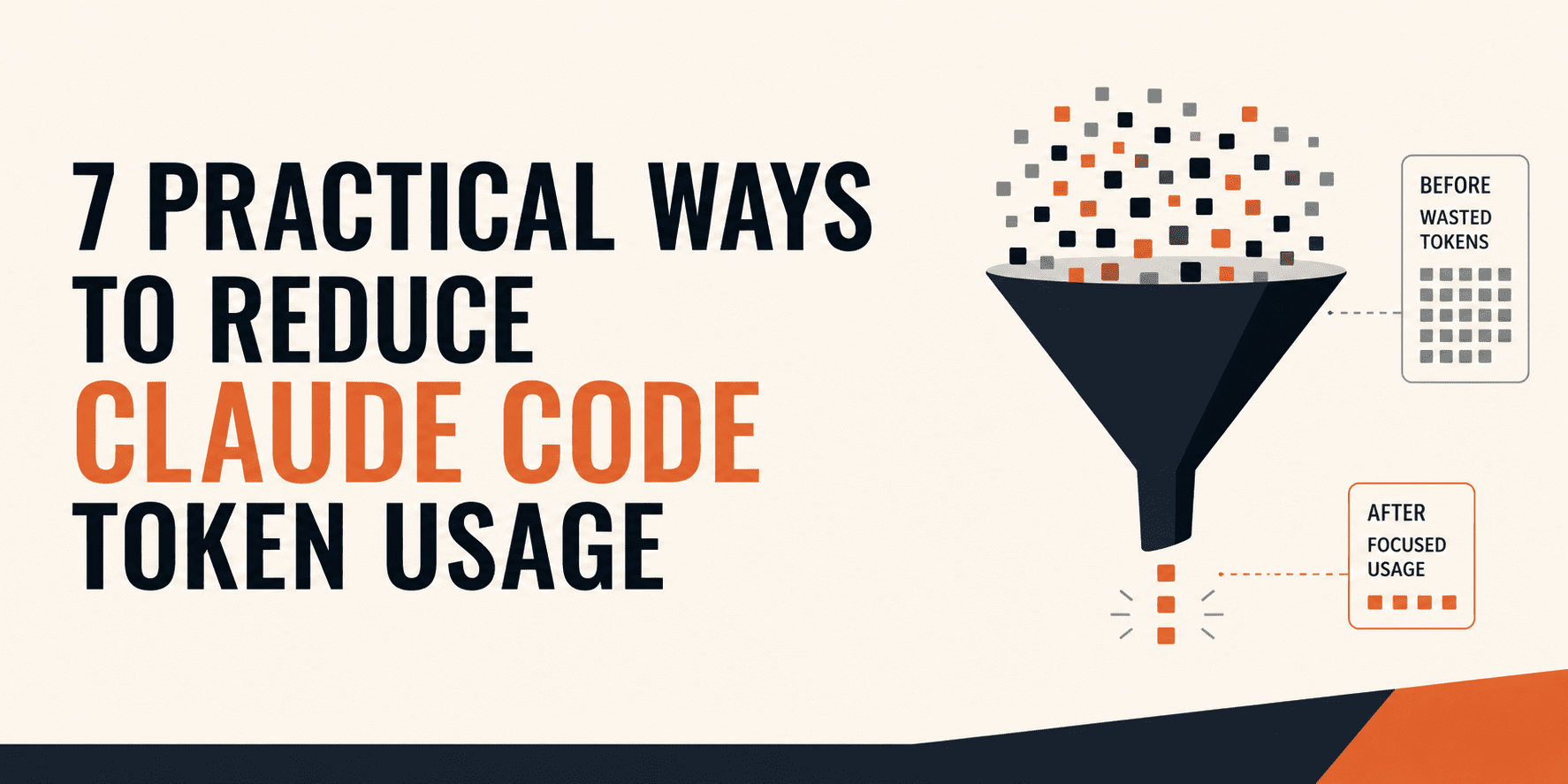
Claude Code Cost Control: Context Architecture Over Prompt Optimization
Claude Code’s costs stem less from prompt length and more from accumulated context—files, memory, and tool outputs that build up each sessi…
Leonardo da Vinci’s DNA May Finally Be Decoded
Researchers have mapped a 21-generation paternal lineage from 1331 to today, identifying 15 living male descendants of Leonardo da Vinci. G…