Event Overview: OpenClaw After Hours at GitHub
GitHub is set to host OpenClaw: After Hours on June 3, 2026, at its San Francisco headquarters, coinciding with Microsoft Build 2026. This event spotlights OpenClaw, an open source agentic framework that recently surpassed 350,000 stars on GitHub, underscoring its rapid adoption and community interest.
Attendees can expect a fireside chat with OpenClaw’s creator, Peter Steinberger, alongside a panel of maintainers discussing real-world applications, lightning talks, and a networking happy hour. For those unable to attend in person, a Twitch livestream will provide remote access. Registration is open but highly competitive due to strong demand.
Event Highlights and Features
Background on OpenClaw and Its Popularity
Significance for the Open Source and AI Communities
The OpenClaw: After Hours event marks a pivotal moment for both open source and AI communities, underscoring the increasing integration of agentic frameworks into mainstream development workflows. With OpenClaw’s rapid adoption—evidenced by its 350,000+ GitHub stars—the framework is shaping how developers build autonomous, intelligent applications. For industry participants, this signals a growing demand for tools that enable scalable, adaptable AI agents, influencing product strategies and investment priorities.
Policy makers and open source advocates should note the event’s timing alongside Microsoft Build 2026, highlighting a broader ecosystem endorsement that could accelerate standardization and collaborative innovation. For users and contributors, the event offers direct insights into real-world deployments and challenges, fostering a deeper understanding of agentic AI’s practical applications and potential risks. Overall, OpenClaw’s prominence and community engagement suggest it will be a significant driver of future AI development trends and open source collaboration models.

Global Digests News delivers timely, credible coverage of world affairs, politics, economy, and technology to keep you informed on today’s top stories.

Bohmian Mechanics: Revisiting Quantum Determinism After New Tests
Bohmian mechanics, once sidelined, returned to focus after a 2025 photon tunneling experiment tested its deterministic claims. The results…

Dark Matter Detection: Innovations Inspired by Henry Cavendish's Experiment
A modern take on Henry Cavendish’s 18th-century torsion balance proposes nested metal shells and ultra-sensitive voltage measurements to de…

Greenland’s Ice Melt Surges Since 1990
Greenland’s ice melt has accelerated sixfold since 1990, driven mainly by rising temperatures rather than atmospheric shifts. Extreme melt…

Health Insurance Marketplaces Leak Sensitive Data to Ad Tech Giants
Nearly all U.S. state health insurance marketplaces have exposed sensitive applicant data—including citizenship and race—to major ad tech f…
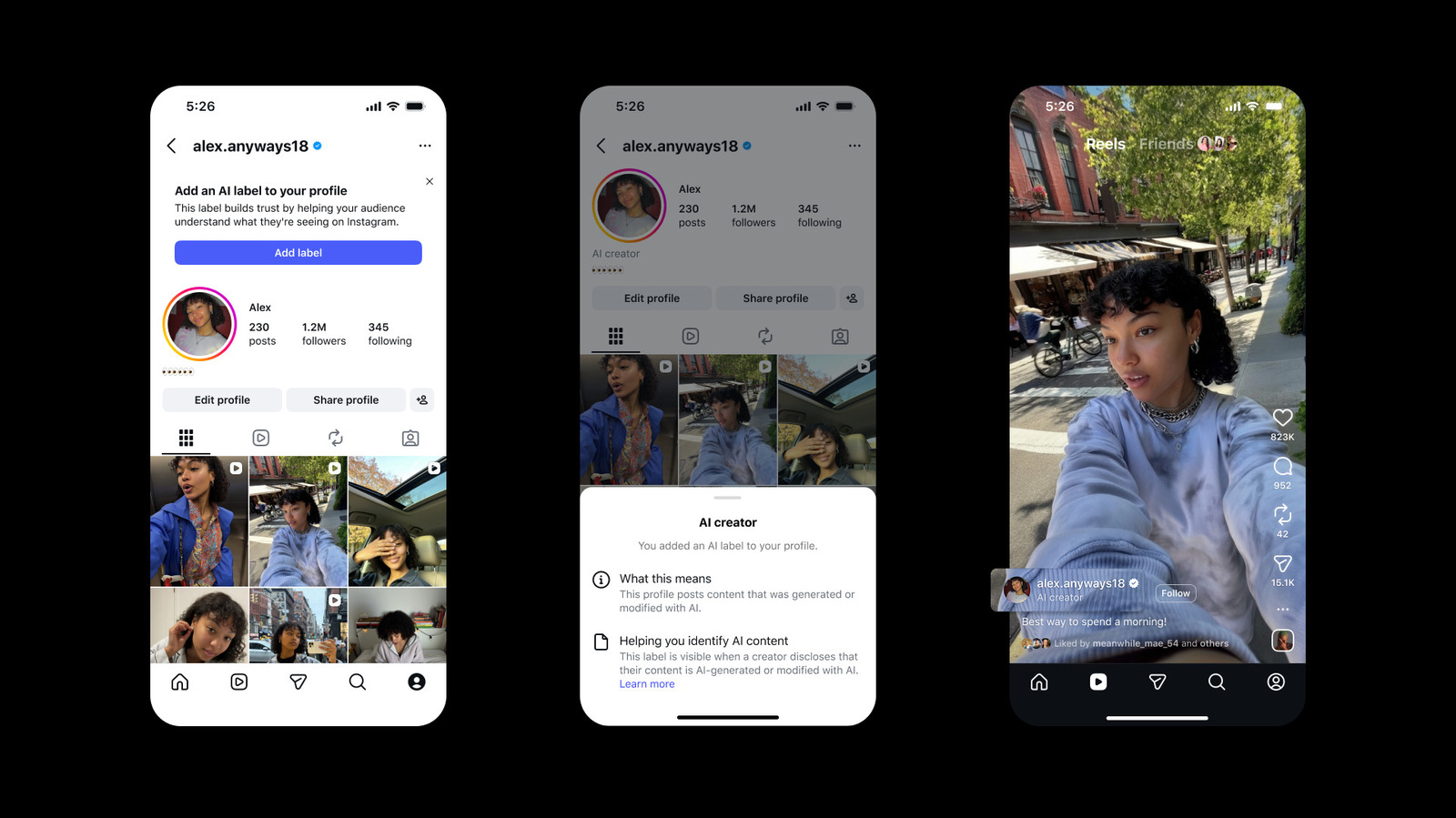
Instagram’s Voluntary AI Creator Label: A Tentative Step Toward Transparency
Instagram has launched an optional “AI creator” label for posts generated or altered by AI. Without automated detection, the system relies…
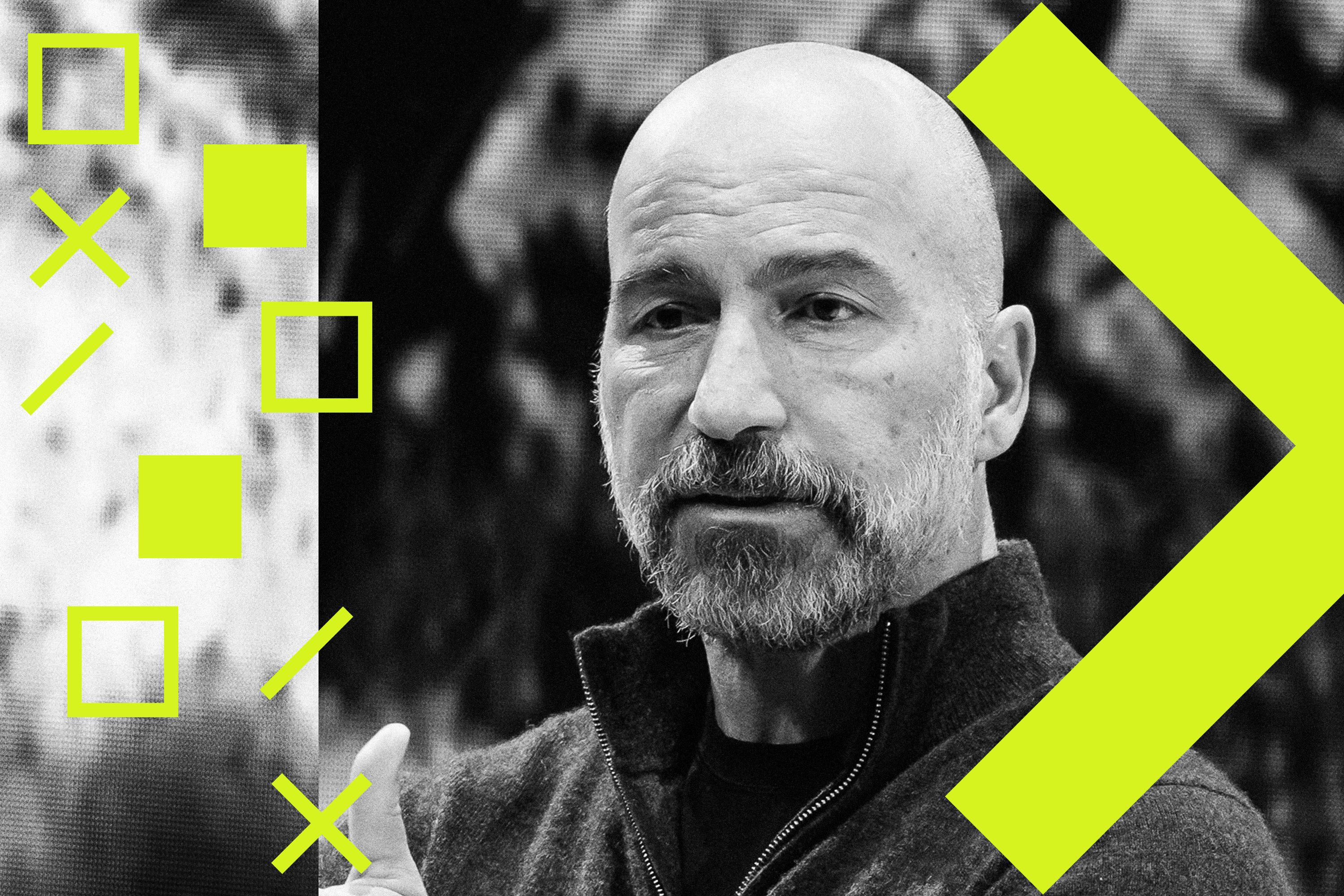
Uber’s Ambitious Expansion and Innovation
Uber CEO Dara Khosrowshahi lays out a vision to transform Uber into a travel and service platform. By integrating Expedia hotel bookings an…
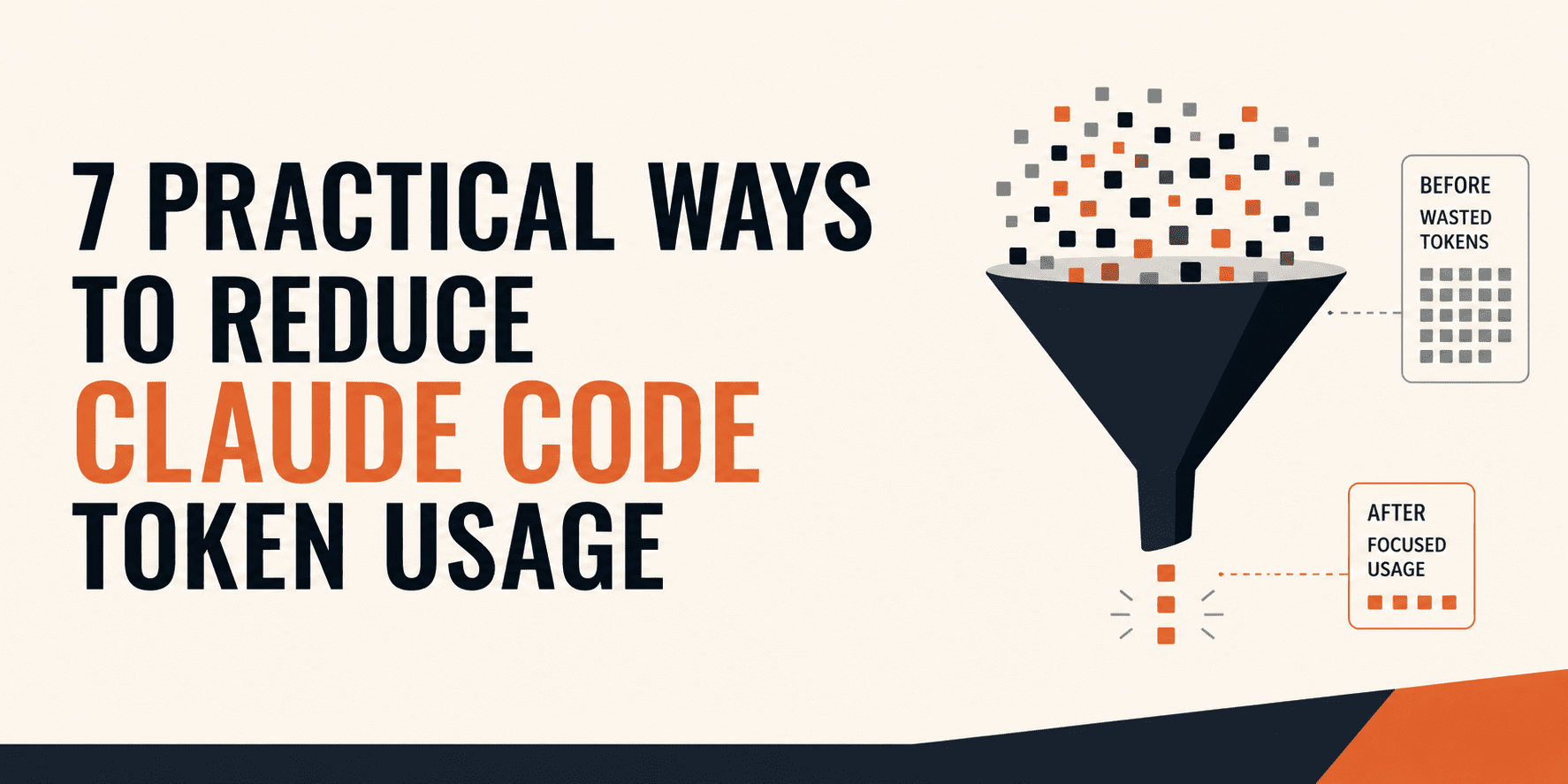
Claude Code Cost Control: Context Architecture Over Prompt Optimization
Claude Code’s costs stem less from prompt length and more from accumulated context—files, memory, and tool outputs that build up each sessi…
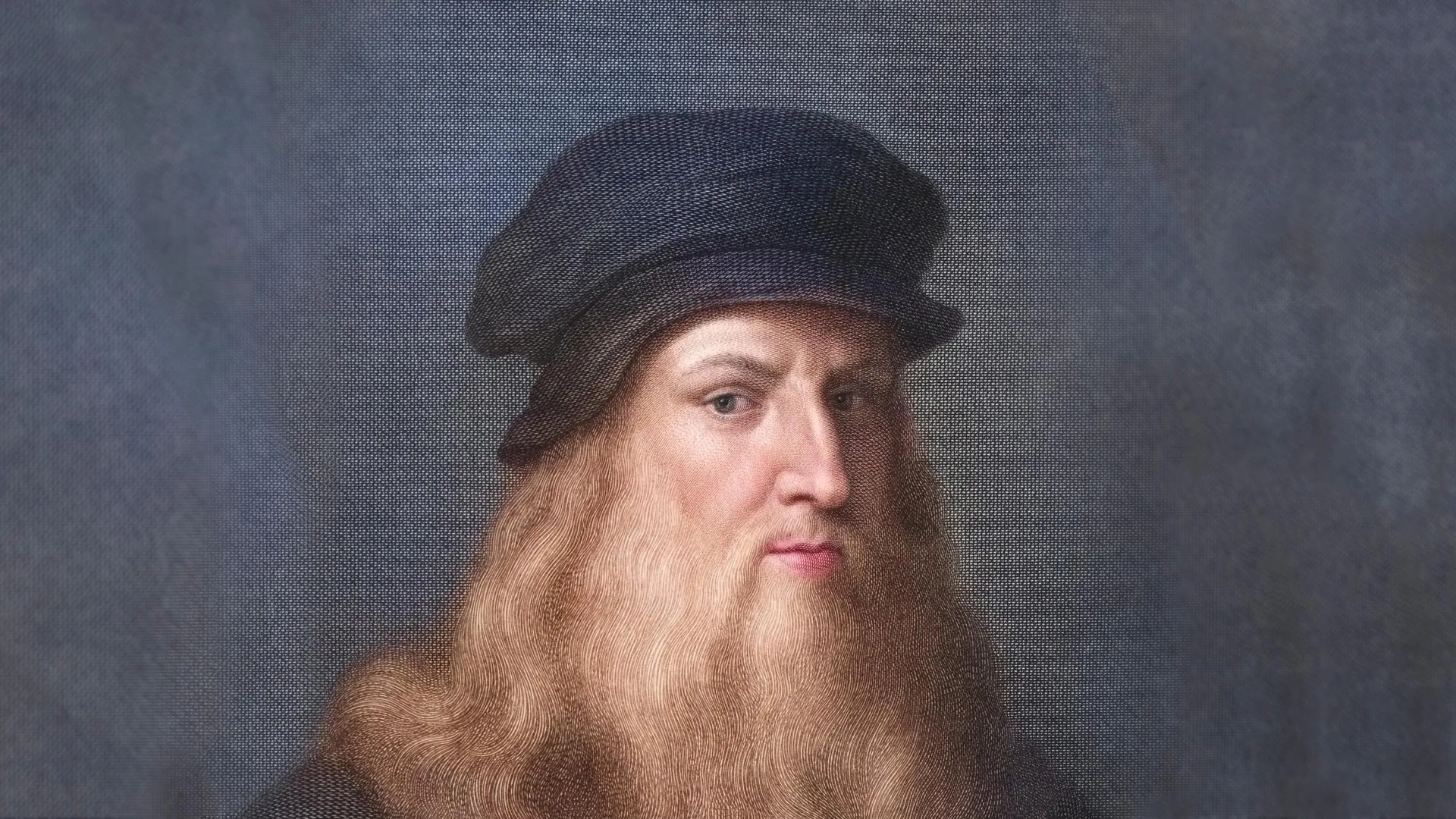
Leonardo da Vinci’s DNA May Finally Be Decoded
Researchers have mapped a 21-generation paternal lineage from 1331 to today, identifying 15 living male descendants of Leonardo da Vinci. G…