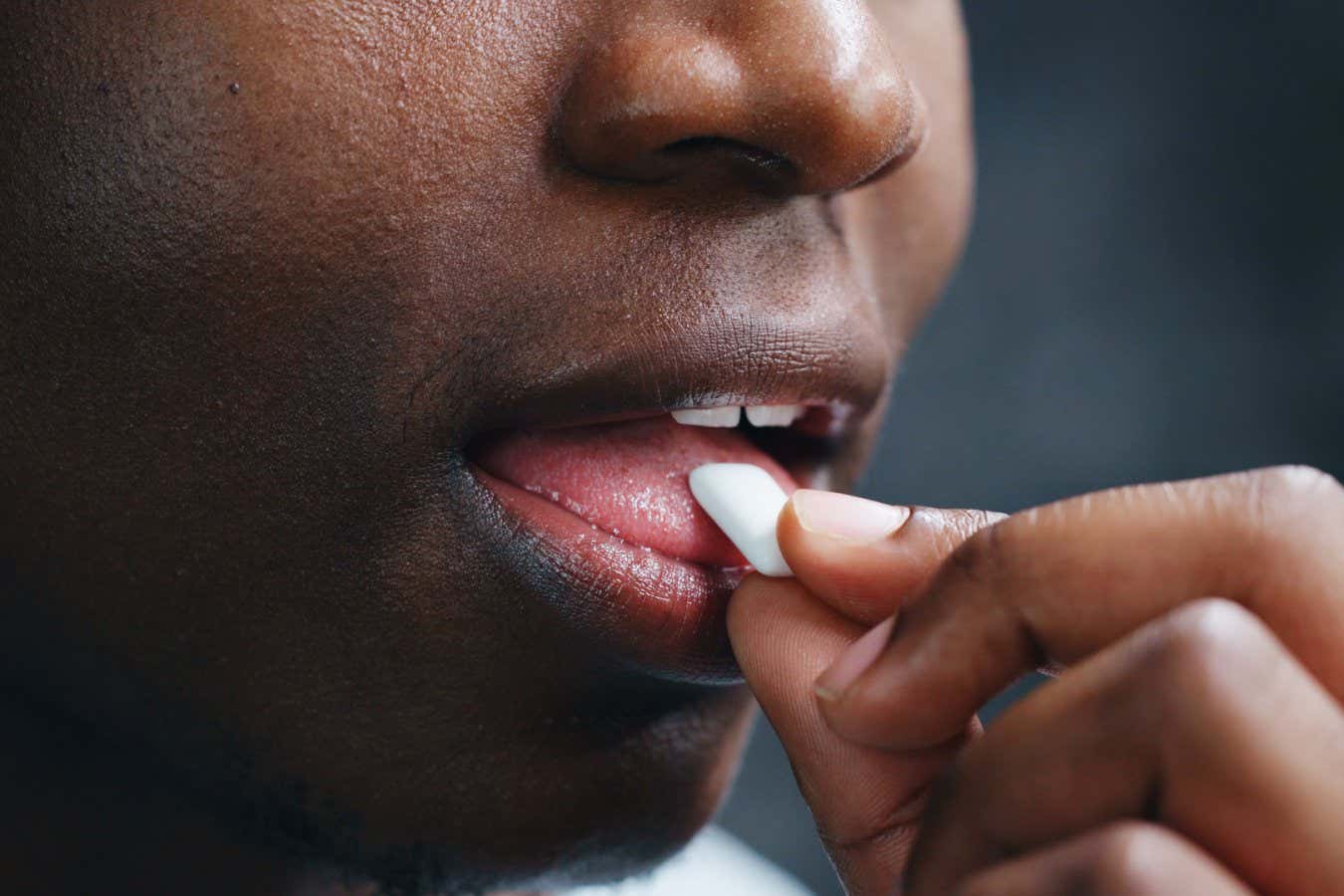
New Clinical Trial Highlights Nitrate Gum's Potential
A recent clinical trial has delivered compelling evidence that nitrate-enriched chewing gum can significantly reduce gum bleeding in individuals with mild gingivitis. Over a three-week period, participants using the nitrate gum saw bleeding rates drop from 26% to 15%, underscoring a promising new approach to managing early gum inflammation.
This advancement hinges on the gum’s ability to foster beneficial oral bacteria that convert dietary nitrate into nitric oxide—a molecule known to suppress harmful plaque bacteria linked to gum disease. As a result, this intervention not only targets symptoms but also modulates the oral microbiome, offering a novel, microbiota-focused strategy in dental care. With these encouraging early results, the stage is set for further research to explore long-term benefits and applicability to more severe cases.
Trial Results: Significant Reduction in Gum Bleeding
A recent clinical trial conducted over a three-week period has demonstrated a significant reduction in gum bleeding among patients with mild gingivitis using nitrate-enriched chewing gum. At the outset, approximately 26% of participants exhibited gum bleeding, a key indicator of gingival inflammation. By the conclusion of the trial, this figure had dropped to 15%, marking a substantial improvement in oral health metrics.
The study’s design involved daily administration of the nitrate gum, which is formulated to enhance the population of beneficial oral bacteria. These bacteria convert nitrate into nitric oxide, a molecule known for its antimicrobial properties. This biochemical conversion effectively reduces the abundance of harmful plaque-forming bacteria that contribute to gum inflammation and bleeding.
Researchers meticulously tracked changes in the oral microbiota throughout the trial, observing a shift toward a microbial community less conducive to periodontal disease. The reduction in bleeding was correlated with this microbial shift, reinforcing the gum’s role in modulating oral bacterial balance rather than merely masking symptoms.
Importantly, the trial reported no significant adverse effects, underscoring the gum’s safety profile for short-term use. While these results are promising, the investigators emphasized the need for extended studies to evaluate long-term efficacy and to determine whether similar benefits apply to more severe forms of gingivitis or other periodontal conditions.
This clinical evidence positions nitrate-enriched chewing gum as a novel, non-invasive intervention that harnesses the natural oral microbiome to combat early-stage gum disease. Its potential to complement existing dental hygiene practices could represent a meaningful advancement in preventive oral healthcare.
Understanding Gingivitis and the Role of Oral Bacteria
Gingivitis, the earliest stage of gum disease, is characterized by inflammation of the gums, often resulting in redness, swelling, and bleeding during brushing or flossing. This condition arises primarily due to the accumulation of dental plaque—a sticky biofilm composed of bacteria—along the gumline. While plaque formation is a natural process, an imbalance in the oral microbiota can shift the bacterial community towards species that promote inflammation and tissue damage.
Central to the progression of gingivitis is the dynamic interplay between harmful and beneficial oral bacteria. Certain pathogenic bacteria in plaque release toxins that trigger the body’s immune response, leading to gum inflammation and bleeding. Conversely, beneficial bacteria can help maintain oral health by competing with these pathogens and producing compounds that inhibit their growth.
Recent research has highlighted the role of nitrate-reducing bacteria in oral health. These microbes convert dietary nitrate into nitric oxide, a molecule with antimicrobial and anti-inflammatory properties. Nitric oxide helps suppress the proliferation of harmful plaque bacteria, thereby potentially reducing gum inflammation and bleeding. Understanding this microbial balance is crucial to appreciating how novel interventions, such as nitrate-enriched chewing gum, may support gum health by fostering a beneficial oral environment.
What This Means for Future Gum Disease Treatments
The promising results from the nitrate-enriched chewing gum clinical trial mark a significant step forward in oral healthcare, particularly for managing mild gingivitis. By harnessing the natural metabolic pathways of oral microbiota to generate nitric oxide—a molecule known for its antimicrobial and anti-inflammatory properties—this approach introduces a novel, non-invasive strategy that could complement or even reduce reliance on traditional chemical treatments like chlorhexidine or antibiotics.
For patients, this development offers a potentially safer, more accessible means to control gum bleeding and inflammation, which are early indicators of gum disease progression. The ease of integrating nitrate gum into daily oral hygiene routines could improve adherence and overall oral health outcomes.
From an industry perspective, these findings open new avenues for innovation in dental care products, emphasizing microbiome-friendly formulations that promote beneficial bacteria rather than indiscriminately targeting all microbes. This shift aligns with broader trends in personalized and preventive medicine, where maintaining microbial balance is key.
Policy makers and healthcare providers should take note of these advancements as they may influence future guidelines for gingivitis management, encouraging incorporation of microbiome-supportive therapies. However, it is crucial to emphasize that current evidence is limited to short-term effects in mild cases; long-term safety, efficacy in more severe gum disease, and potential interactions with existing treatments remain to be thoroughly investigated.
In summary, nitrate-enriched chewing gum represents a promising adjunctive tool in the fight against gum disease, with the potential to reshape preventive dental care. Continued research and clinical validation will be essential to fully realize its impact and facilitate widespread adoption.
Next Steps in Research and Development
Building on the promising clinical trial results, the next phase of research will focus on several key areas to validate and expand the potential of nitrate-enriched chewing gum as a therapeutic tool for gingivitis. First, longer-term studies are essential to determine whether the observed reductions in gum bleeding are sustained beyond the initial three-week period and to assess any cumulative benefits or risks associated with extended use. Additionally, trials involving participants with moderate to severe gingivitis will help clarify the gum’s efficacy across a broader spectrum of disease severity, addressing a critical gap in current knowledge.
Another important direction involves deeper exploration of the oral microbiota changes induced by nitrate supplementation. Understanding the precise shifts in bacterial populations and their metabolic pathways will provide insight into the mechanisms driving inflammation reduction and gum healing. This could also identify biomarkers for patient responsiveness, enabling more personalized treatment strategies.
From a product development standpoint, optimizing the formulation and dosage of nitrate gum to maximize bioavailability and patient compliance will be a priority. Researchers will also need to monitor for any potential side effects or interactions, ensuring safety profiles are robust before widespread clinical recommendation.
Finally, integrating nitrate gum into comprehensive oral health regimens—potentially alongside mechanical plaque control and other preventive measures—will require clinical protocols that balance convenience with efficacy. Tracking these developments through upcoming peer-reviewed publications and regulatory assessments will provide the clearest signals on how nitrate-enriched chewing gum might reshape approaches to managing gum disease in the near future.
Frequently Asked Questions About Nitrate Gum and Gum Health
Nitrate-enriched chewing gum works by supplying nitrate to the oral environment, which beneficial bacteria convert into nitric oxide. This molecule helps suppress harmful plaque bacteria responsible for gum inflammation, thereby reducing bleeding in mild gingivitis cases.
What role do beneficial bacteria play in this treatment?
Beneficial oral bacteria act as natural converters, transforming nitrate into nitric oxide. This process enhances the oral microbiome balance by promoting bacteria that support gum health and inhibiting those that cause inflammation and bleeding.
Are there any known side effects of using nitrate gum?
To date, clinical trials report no significant side effects from short-term use of nitrate-enriched gum. However, long-term safety and effects in severe gum disease cases remain to be thoroughly investigated.
How long was the clinical trial and what were its main findings?
The recent clinical trial lasted three weeks and demonstrated a reduction in gum bleeding from 26% to 15% among participants with mild gingivitis, highlighting nitrate gum’s potential as a novel oral care intervention.

Global Digests News delivers timely, credible coverage of world affairs, politics, economy, and technology to keep you informed on today’s top stories.

Bohmian Mechanics: Revisiting Quantum Determinism After New Tests
Bohmian mechanics, once sidelined, returned to focus after a 2025 photon tunneling experiment tested its deterministic claims. The results…

Dark Matter Detection: Innovations Inspired by Henry Cavendish's Experiment
A modern take on Henry Cavendish’s 18th-century torsion balance proposes nested metal shells and ultra-sensitive voltage measurements to de…

Greenland’s Ice Melt Surges Since 1990
Greenland’s ice melt has accelerated sixfold since 1990, driven mainly by rising temperatures rather than atmospheric shifts. Extreme melt…

Health Insurance Marketplaces Leak Sensitive Data to Ad Tech Giants
Nearly all U.S. state health insurance marketplaces have exposed sensitive applicant data—including citizenship and race—to major ad tech f…

Instagram’s Voluntary AI Creator Label: A Tentative Step Toward Transparency
Instagram has launched an optional “AI creator” label for posts generated or altered by AI. Without automated detection, the system relies…

Uber’s Ambitious Expansion and Innovation
Uber CEO Dara Khosrowshahi lays out a vision to transform Uber into a travel and service platform. By integrating Expedia hotel bookings an…

Claude Code Cost Control: Context Architecture Over Prompt Optimization
Claude Code’s costs stem less from prompt length and more from accumulated context—files, memory, and tool outputs that build up each sessi…

Leonardo da Vinci’s DNA May Finally Be Decoded
Researchers have mapped a 21-generation paternal lineage from 1331 to today, identifying 15 living male descendants of Leonardo da Vinci. G…