Moonlight and Nightjars: A Decade of Discovery
Hunting Peaks and Energy Conservation Linked to Lunar Cycle
Over the course of ten years, researchers at Lund University meticulously documented the behavior of red-necked nightjars, uncovering a striking synchronization between these nocturnal birds’ life rhythms and the lunar cycle. Their findings reveal that hunting activity surges during full moon phases, when moonlight provides optimal visibility for foraging. Conversely, during new moon periods or when the nights are darkest, the nightjars enter a state resembling hibernation, significantly reducing their activity to conserve energy.
This cyclical pattern extends beyond feeding. The study also demonstrated that breeding and migration timings are closely aligned with moon phases, suggesting that moonlight serves as a critical environmental cue. For instance, peak breeding activities tend to occur shortly after full moons, leveraging the increased nocturnal illumination to enhance reproductive success and chick survival.
To gather these insights, the team employed a combination of long-term field observations, GPS tracking, and automated acoustic monitoring, enabling continuous data collection across multiple lunar cycles and seasons. This comprehensive approach allowed the researchers to correlate behavioral shifts precisely with changes in moonlight intensity.
The study’s chronology, spanning a decade, underscores the robustness of these lunar-linked patterns and highlights the delicate balance nightjars maintain with their natural environment. Importantly, the findings raise concerns about artificial light pollution disrupting these finely tuned rhythms, potentially impairing hunting efficiency, breeding timing, and migratory navigation. As urban lighting increasingly encroaches on natural habitats, understanding these lunar dependencies is vital for developing conservation strategies tailored to nocturnal species.
Understanding Nightjars’ Behavior Within Their Nocturnal Ecosystem
To appreciate the significance of the recent findings on red-necked nightjars, it is essential to understand their ecological niche and behavioral patterns within the nocturnal environment. Nightjars are crepuscular and nocturnal insectivorous birds, relying heavily on moonlight for navigation, foraging, and timing key life events such as breeding and migration. Their activity cycles are finely attuned to the lunar phases, which modulate ambient light levels and consequently influence prey availability and predation risk.
Unlike diurnal species, nightjars operate in a delicate balance where lunar illumination can either enhance hunting efficiency or increase vulnerability to predators. This sensitivity to natural light cycles has evolved over millennia, allowing nightjars to optimize energy expenditure by synchronizing their peak activity with the brightest nights. During darker moon phases, they adopt energy-conserving behaviors akin to torpor, reducing metabolic demands when foraging would be less productive.
Understanding these behavioral adaptations provides critical context for interpreting how artificial light pollution disrupts these natural rhythms. The intrusion of anthropogenic lighting can mask lunar cues, alter insect behavior, and fragment nightjar habitats, posing new challenges for conservation. This ecological framework sets the stage for analyzing the decade-long study’s insights into the complex interplay between lunar cycles and nightjar life history strategies.
Consequences of Artificial Light Pollution on Nightjar Rhythms
The insights from this decade-long study underscore a critical vulnerability of red-necked nightjars—and potentially other nocturnal species—to the expanding footprint of artificial light pollution. By finely tuning their hunting, breeding, and migratory behaviors to natural lunar cycles, nightjars rely on predictable patterns of moonlight to optimize energy use and reproductive success. Disruption from artificial lighting, such as urban glow and illuminated infrastructure, risks desynchronizing these intrinsic rhythms, leading to reduced foraging efficiency, impaired breeding timing, and altered migration cues.
For conservationists and wildlife managers, these findings highlight an urgent need to reevaluate light management strategies within and near nightjar habitats. Minimizing artificial illumination during critical lunar phases could help preserve the natural environmental cues essential for nightjar survival. Moreover, policymakers should consider integrating light pollution mitigation into broader biodiversity protection frameworks, recognizing that nocturnal wildlife depends on darkness as much as daylight.
From an ecological perspective, the cascading effects of disrupted nightjar behavior may extend beyond the species itself, potentially affecting insect populations and nocturnal food webs. For industries involved in outdoor lighting, such as urban planners, energy providers, and transportation sectors, adopting wildlife-friendly lighting designs offers a practical pathway to balance human needs with ecological stewardship.
Ultimately, this research elevates the conversation around artificial light pollution from a nuisance to a significant ecological threat, emphasizing that preserving natural lunar cycles is vital not only for nightjars but for the integrity of nocturnal ecosystems globally.
Future Research and Conservation Strategies
As research on red-necked nightjars continues to unfold, several key avenues warrant close attention. One immediate signal to watch is the integration of advanced tracking technologies, such as miniaturized GPS and bio-logging devices, which promise to deepen insights into how subtle variations in lunar illumination influence nightjar movement, hunting efficiency, and energy budgeting across different habitats. These tools will help clarify the mechanistic links between moon phases and behavioral adaptations, refining our understanding beyond correlative observations.
Additionally, expanding comparative studies to other nocturnal migratory species will be crucial to determine whether lunar synchronization is a widespread evolutionary strategy or more species-specific. Such cross-species analyses could identify shared vulnerabilities and resilience factors, informing broader conservation frameworks.
From a conservation perspective, the escalating impact of artificial light pollution remains a pressing concern. Future research should focus on quantifying how varying intensities and spectra of artificial lighting disrupt nightjar circadian and seasonal rhythms, potentially impairing reproductive success and migratory timing. This knowledge is vital for developing targeted mitigation strategies, such as implementing “dark sky” zones or adaptive lighting technologies in critical nightjar habitats.
Finally, interdisciplinary collaborations combining ecological data with atmospheric and urban planning models will be instrumental in predicting and managing the cumulative effects of environmental change on nocturnal wildlife. As the field advances, these integrated approaches will provide the milestones necessary to safeguard the delicate balance nightjars maintain with their lunar environment, ensuring their survival amid growing anthropogenic pressures.
Frequently Asked Questions About Nightjar Lunar Synchronization
Red-necked nightjars time key behaviors such as hunting, breeding, and migration to the moon’s phases. Their activity peaks during full moons when moonlight is abundant, enabling more effective foraging. Conversely, during the darker lunar phases, they reduce activity and enter a low-energy state to conserve resources, demonstrating a finely tuned biological rhythm linked to lunar illumination.
What are the risks of artificial light pollution on nocturnal birds like nightjars?
Artificial lighting disrupts the natural lunar cues that nightjars rely on to regulate their life rhythms. This interference can lead to mistimed hunting and breeding activities, increased energy expenditure, and heightened vulnerability to predators. Over time, such disruptions threaten their survival and reproductive success, highlighting the urgent need for light pollution mitigation in key habitats.
How does moonlight influence the breeding and migration patterns of nightjars?
Moonlight acts as a critical environmental signal for nightjars, guiding the timing of breeding and migration. Full moons provide optimal light conditions for nocturnal navigation and foraging, ensuring that these energetically demanding phases occur when resources are most accessible. This synchronization enhances reproductive success and migratory efficiency.
What methods were used in the decade-long study to track nightjar behavior?
The study employed a combination of long-term field observations, GPS tracking devices, and automated acoustic monitoring to gather detailed data on nightjar activity patterns. By correlating these behavioral records with precise lunar phase data, researchers were able to establish the strong link between moonlight and the birds’ life cycle over ten years.

Global Digests News delivers timely, credible coverage of world affairs, politics, economy, and technology to keep you informed on today’s top stories.

GitHub Tightens Bug Bounty Rules to Cut Low-Value Reports
GitHub is raising standards for its bug bounty program to weed out AI-generated, low-impact reports. Now, submissions must prove reproducib…
Data Anonymization with Mimesis: Key Insights
Mimesis is an open-source Python library that generates realistic synthetic data locally, enabling effective anonymization of sensitive pro…

Louisiana’s Vanishing Coastline: Early Signals of Climate-Driven Change
Louisiana’s coastline is disappearing rapidly due to rising seas and stronger storms, triggering population shifts and economic upheaval. A…
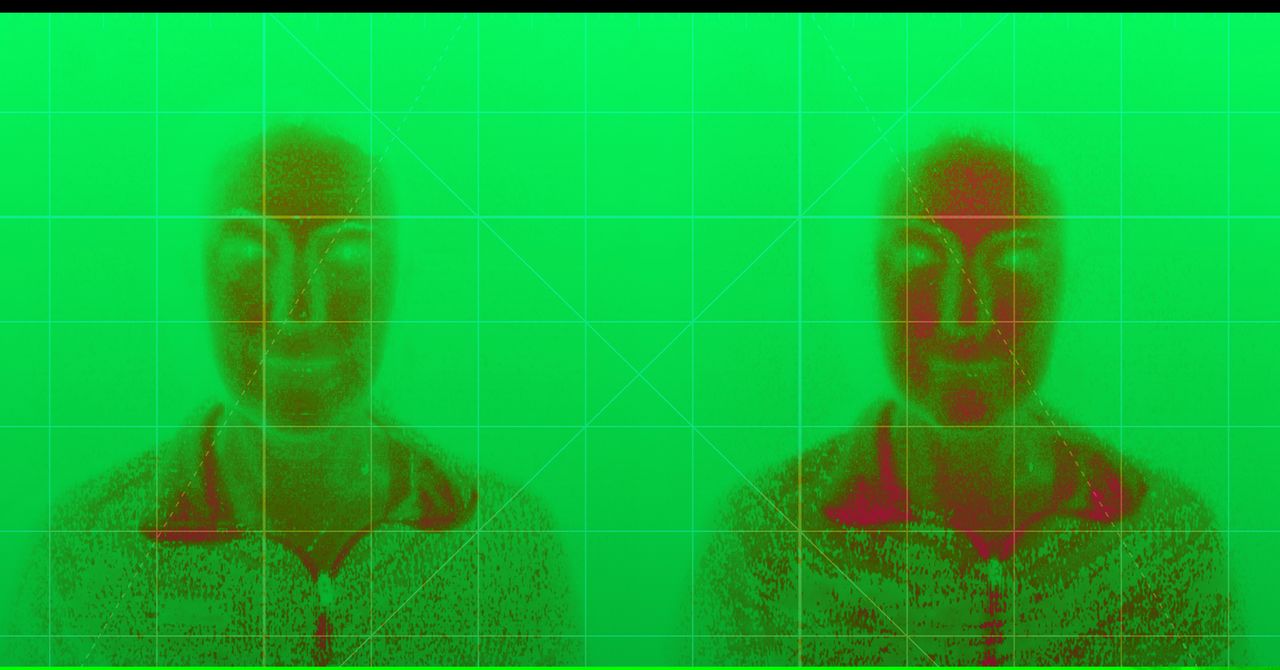
Metalenz Unveils Polar ID: Rethinking Face Authentication with Invisible Sensors
Metalenz’s Polar ID uses optical metasurfaces to analyze polarized light from skin, beating spoofing attempts better than Face ID. Hidden b…

DHS Attempts to Access Data on Canadian Critic of U.S. Immigration
The Department of Homeland Security used a customs summons to demand Google hand over location and activity data on a Canadian man critical…

Bohmian Mechanics: Revisiting Quantum Determinism After New Tests
Bohmian mechanics, once sidelined, returned to focus after a 2025 photon tunneling experiment tested its deterministic claims. The results…
Dark Matter Detection: Innovations Inspired by Henry Cavendish's Experiment
A modern take on Henry Cavendish’s 18th-century torsion balance proposes nested metal shells and ultra-sensitive voltage measurements to de…

Greenland’s Ice Melt Surges Since 1990
Greenland’s ice melt has accelerated sixfold since 1990, driven mainly by rising temperatures rather than atmospheric shifts. Extreme melt…