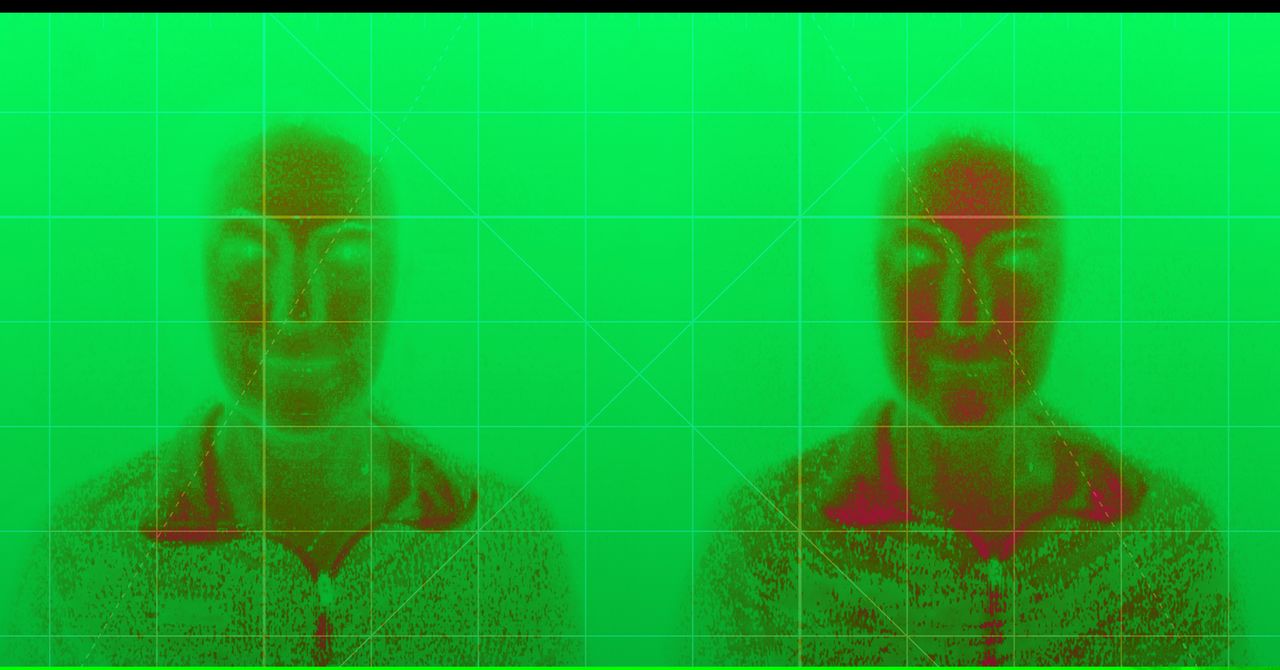
Metalenz Unveils Polar ID: A New Face Authentication Contender
Metalenz just dropped Polar ID, a facial authentication system that isn’t playing by the usual rules. Unlike traditional sensors relying on visible cameras or infrared dots, Polar ID uses optical metasurfaces to read the polarization of light bouncing off your face. That subtle shift in how light waves twist and turn lets it tell real skin apart from masks or photos with far greater precision. It’s a fresh approach that pushes past the limits of Apple’s Face ID and Google’s face unlock, especially when it comes to stopping spoofing attempts.
What makes this noteworthy isn’t just the tech itself but how it fits into device design. Polar ID’s metasurface sensors can sit invisibly beneath OLED screens, eliminating the need for camera notches or holes. Metalenz is already teaming up with Qualcomm to bring this to laptops and phones by 2027, aiming for a clean, seamless look without sacrificing security. It’s a bold move that could quietly reshape how our devices authenticate us—no flashy sensors required.
How Polar ID Uses Polarization to Beat Spoofing
Polar ID’s edge over existing facial authentication hinges on its use of polarized light—specifically, how it captures and analyzes polarization patterns reflected off the skin. Unlike traditional cameras that rely on intensity and color, Metalenz’s system employs optical metasurfaces to detect subtle differences in polarized light. These differences arise because human skin and spoofing materials—like masks or photos—alter polarized light in distinct ways.
This approach started taking shape around 2022 when Metalenz refined their metasurface technology to be compact enough for consumer devices. By 2023, prototypes demonstrated that Polar ID could distinguish live faces from sophisticated spoofs with higher accuracy than Apple’s Face ID or Google’s face unlock. The key was the metasurface’s ability to measure multiple polarization states simultaneously, creating a richer data profile of the face’s texture and material properties.
Polar ID’s sensor integrates a polarization filter array directly onto the imaging chip, eliminating bulky optics. This integration allows the sensor to capture four polarization angles at once, revealing micro-variations invisible to standard cameras. As a result, spoofing attempts using masks or printed images fail because they don’t replicate the nuanced polarization signature of real skin.
Metalenz’s timeline shows rapid progress: initial lab tests in early 2023 proved the concept, followed by hardware miniaturization and software refinement through late 2023. By early 2024, they secured partnerships with Qualcomm to embed Polar ID into smartphone and laptop platforms. The plan is to have consumer devices shipping with this tech by 2027, with full under-display integration by 2028.
This polarization-based method doesn’t just improve security; it also removes the need for visible infrared dots or flood illuminators. That means devices can ditch the notch or camera cutout entirely, streamlining design without compromising biometric reliability. It’s a clever twist on an old optical principle, repurposed to solve one of today’s toughest authentication challenges.
Tech Landscape: Face ID and Its Challenges
Face authentication has become a staple in consumer electronics, largely thanks to Apple’s Face ID, which debuted in 2017. It uses a structured light system to map the contours of a user’s face with infrared dots, creating a detailed 3D model. This method offers a balance of convenience and security, quickly unlocking devices while resisting simple photo or video spoofing attempts.
But the technology isn’t without flaws. Face ID’s reliance on infrared sensors and dot projectors necessitates visible hardware components—those distinctive notches or cutouts on smartphones. These design compromises have sparked a push for sleeker, less intrusive solutions. Moreover, even Face ID can be fooled by sophisticated masks or 3D-printed replicas, highlighting ongoing vulnerabilities in biometric security.
Other players have tried to improve on this. Google’s Face Unlock, for example, leans more heavily on 2D imaging and machine learning, which speeds up recognition but sacrifices some security. Spoofing remains a concern, and the lack of depth sensing makes it less reliable for sensitive authentication.
The industry faces a tricky trade-off: how to maintain or improve security while integrating sensors invisibly into devices. Current approaches often require extra hardware or complex calibration, which can increase cost and power consumption. Metalenz’s Polar ID enters this scene aiming to address these exact pain points, promising to capture richer optical data—like polarization—without bulky components.
Understanding this backdrop is key. The race isn’t just about better face recognition algorithms but also about rethinking the hardware itself. Metalenz’s approach could signal a shift in how biometric sensors are designed, potentially smoothing the path toward truly seamless, secure facial authentication.
What Polar ID Means for Device Design and Security
Polar ID’s real game-changer lies in what it frees device makers to do. By embedding the authentication sensor beneath the display, Metalenz sidesteps the bulky, visible camera modules that have long dictated smartphone and laptop front designs. That means no more notches, punch-holes, or thick bezels just to house the Face ID or similar sensors. For consumers, this could translate into cleaner, more immersive screens without sacrificing biometric security.
Security-wise, Polar ID’s use of polarization data adds a layer of defense that conventional infrared or structured light systems struggle with. It can distinguish subtle differences in how light reflects off live skin versus masks or photos, closing loopholes that spoofers exploit. This raises the bar for biometric authentication, especially in environments where security is non-negotiable—corporate laptops, banking apps, or government devices.
However, integrating these optical metasurfaces under OLED displays is no trivial feat. It demands tight coordination between hardware vendors, chipset makers like Qualcomm, and device manufacturers to ensure the sensor’s performance doesn’t degrade screen quality or responsiveness. Metalenz’s roadmap targeting 2027–2028 for widespread adoption reflects these engineering challenges.
From a market perspective, Polar ID could shift the competitive landscape. Apple and Google have set high standards with their face unlock systems, but their visible sensors remain a design compromise and a target for spoofing attacks. If Metalenz’s approach proves scalable and reliable, it may pressure incumbents to rethink their sensor placement strategies or accelerate their own research into metasurface optics.
Policy-wise, enhanced biometric security might influence regulatory frameworks around device authentication, especially in sectors handling sensitive data. Stronger anti-spoofing measures could become a baseline expectation, affecting certification standards and compliance requirements.
Still, the technology’s success hinges on real-world performance and adoption pace. Will consumers accept a new biometric system hidden beneath their screens? Can manufacturers balance cost, complexity, and durability? These questions will shape whether Polar ID becomes a niche innovation or a mainstream security pillar.
Integrating Polar ID into Consumer Devices by 2027

Metalenz’s timeline for embedding Polar ID into everyday devices is ambitious but grounded in current partnerships and technical milestones. With Qualcomm on board, the roadmap points to initial integration in select laptops and smartphones by 2027. This collaboration suggests that the core optical metasurface components have reached a level of maturity compatible with mass manufacturing constraints and power budgets typical of mobile devices.
The challenge ahead lies in scaling the technology without compromising the user experience. Embedding Polar ID beneath OLED displays aims to eliminate visible sensors and camera notches—a design shift that could redefine device aesthetics. Yet, this integration demands rigorous testing to maintain authentication speed and accuracy under varied lighting conditions and user behaviors. Early prototypes will likely reveal unforeseen trade-offs between sensor miniaturization and polarization signal fidelity.
Another signal to watch is how industry standards evolve around biometric security. Polar ID’s unique approach to polarization-based spoof detection may prompt updates to authentication protocols or regulatory scrutiny, especially as privacy concerns intensify. How manufacturers balance these requirements with consumer convenience will shape adoption rates.
Finally, the pace of software optimization for Polar ID’s data processing will influence rollout timelines. The system’s reliance on complex polarization data requires efficient algorithms capable of operating within the limited processing power of mobile chips. Advances here could accelerate deployment or stall it if computational demands prove too high.
In short, the next two to three years will be telling. Device launches featuring Polar ID hardware, Qualcomm’s integration announcements, and real-world performance reports will clarify whether this optical metasurface innovation can quietly replace visible face authentication sensors without sacrificing security or usability.
Global Digests News delivers timely, credible coverage of world affairs, politics, economy, and technology to keep you informed on today’s top stories.