A Clash Over OpenAI’s Mission
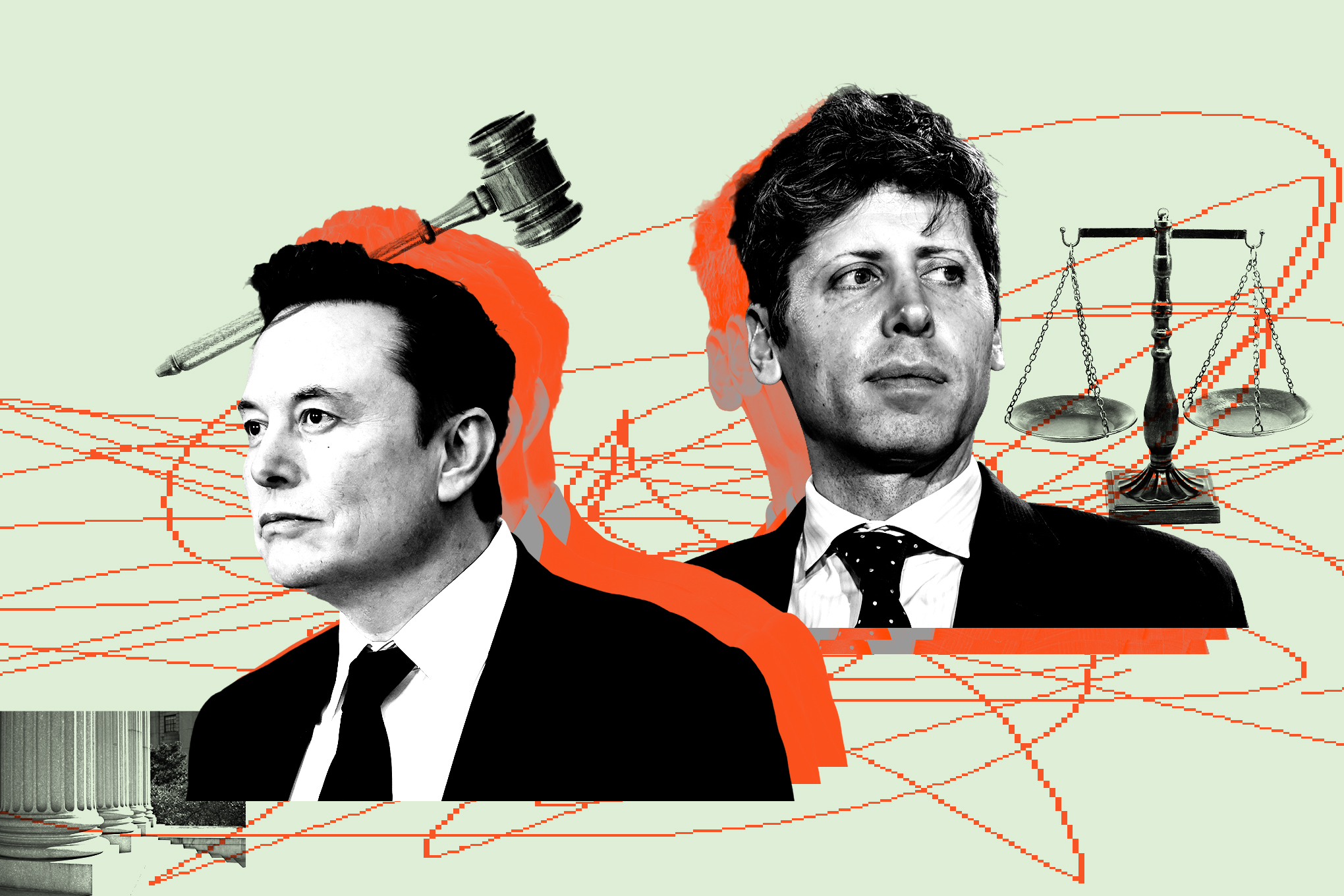
The courtroom drama between Elon Musk and Sam Altman erupted over OpenAI’s identity crisis. Musk claims the organization has strayed far from its nonprofit roots, accusing Altman and the board of cloaking a profit-driven agenda in idealistic language. The lawsuit alleges deception—Musk says he was misled about OpenAI’s direction, blindsided as the company pivoted toward commercial ambitions that clash with its founding promise to serve the public good.
OpenAI counters that Musk’s suit is a strategic ploy, aimed less at principle and more at disrupting a rival whose rapid growth threatens Musk’s own AI ventures. The clash isn’t just about money; it’s a battle over how AI should be governed, who controls its future, and whether a once-transparent mission can survive the pressures of scale and capital. The trial’s opening moves already expose deep fractures in AI’s evolving landscape, where ideals and enterprise collide with no easy resolution.
Courtroom Showdown: Musk vs. Altman
The legal battle kicked off in early April, with Musk accusing OpenAI’s leadership of misleading him about the company’s shift from a nonprofit to a profit-driven entity. His team presented internal emails and board meeting notes, aiming to prove Altman and others hid critical changes in strategy.
OpenAI pushed back, framing the lawsuit as a competitive move by Musk, whose own AI ventures stand to lose ground. They laid out a detailed timeline showing a gradual transition and stressed transparency with investors and partners. Satya Nadella, Microsoft’s CEO, testified on the company’s investment and collaboration with OpenAI, highlighting the tangled funding and governance web.
The courtroom saw tense exchanges over OpenAI’s charter and commercial partnerships. Musk’s lawyers struggled to maintain a consistent narrative amid contradictory documents and expert testimony. OpenAI’s defense leaned on extensive records and a clear chronology to challenge claims of deception.
This trial isn’t just about contracts or boardroom power plays. It exposes a fundamental clash: the friction between nonprofit ideals and commercial realities shaping AI’s future.
Tracing OpenAI’s Shift
OpenAI began in 2015 as a nonprofit aiming to advance AI safely and openly. Musk and Altman shared that vision, hoping to avoid corporate secrecy and unchecked profit motives. But as AI development accelerated, OpenAI’s structure evolved. By 2019, it formed a “capped-profit” entity to attract the capital needed for massive research and infrastructure costs.
This hybrid model promised limited returns to investors while supposedly preserving the mission. Musk grew uneasy. He warned that commercial partnerships, especially with Microsoft, risked undermining OpenAI’s transparency and public-interest focus. Altman and others argued the pivot was necessary to fund expensive AI training and scale effectively.
The lawsuit alleges this shift happened without Musk’s full knowledge, sidelining the nonprofit ethos he helped establish. OpenAI calls the claims a strategic attack from a competitor.
This background frames the courtroom battle as more than a legal dispute. It’s a window into the tension between rapid innovation, ethical governance, and competing visions of AI’s purpose.
What This Means for AI’s Future
This legal clash reveals the tension between AI’s promise as a public good and the drive to monetize breakthroughs fast. For developers and investors, it’s a cautionary tale about how shifting from nonprofit ideals to commercial goals can fracture trust and complicate governance. OpenAI’s struggle to balance transparency with competitive advantage may serve as a model or warning for others.
Policymakers will note how governance shapes not just corporate strategy but the entire AI ecosystem. The case underscores the need for clearer accountability frameworks to prevent mission drift amid rapid growth. Without them, commercial interests risk sidelining ethics and public benefit.
Market players face a volatile landscape where leadership disputes and lawsuits can ripple through valuations and partnerships. Musk and Altman’s showdown shows how personal ambitions and strategy influence AI’s pace and direction. Technology progress is inseparable from the human and institutional dynamics behind it.
The trial boils down to a key question: can AI companies scale profitably without losing sight of their founding principles? The answer will shape both OpenAI’s path and AI innovation broadly.
The Verdict and Its Ripple Effects
The court’s ruling will echo beyond this case. Investors and boards will watch how legal systems handle governance disputes in fast-moving tech ventures. The decision could clarify or complicate how nonprofits turned commercial juggernauts balance mission and market pressures.
OpenAI’s next moves will reveal whether it leans further into commercial partnerships or tries to reclaim some original ideals. Musk’s role in AI remains influential, but this lawsuit might reshape his approach to oversight and collaboration.
Regulators will take note, too. The case highlights challenges in ensuring transparency and accountability in organizations straddling nonprofit and for-profit lines. It may spur calls for clearer governance rules in AI research, especially where public trust matters.
The industry’s tension between innovation and ethical guardrails won’t vanish. This trial exposed fractures in leadership visions of AI’s future—public good or commercial engine. Future disputes will likely hinge on these questions, making this verdict a reference point for battles ahead.
No neat resolution emerged from the courtroom, but the ripple effects will shape how AI companies organize, disclose, and defend their missions going forward.
Global Digests News delivers timely, credible coverage of world affairs, politics, economy, and technology to keep you informed on today’s top stories.