Source-backed lead

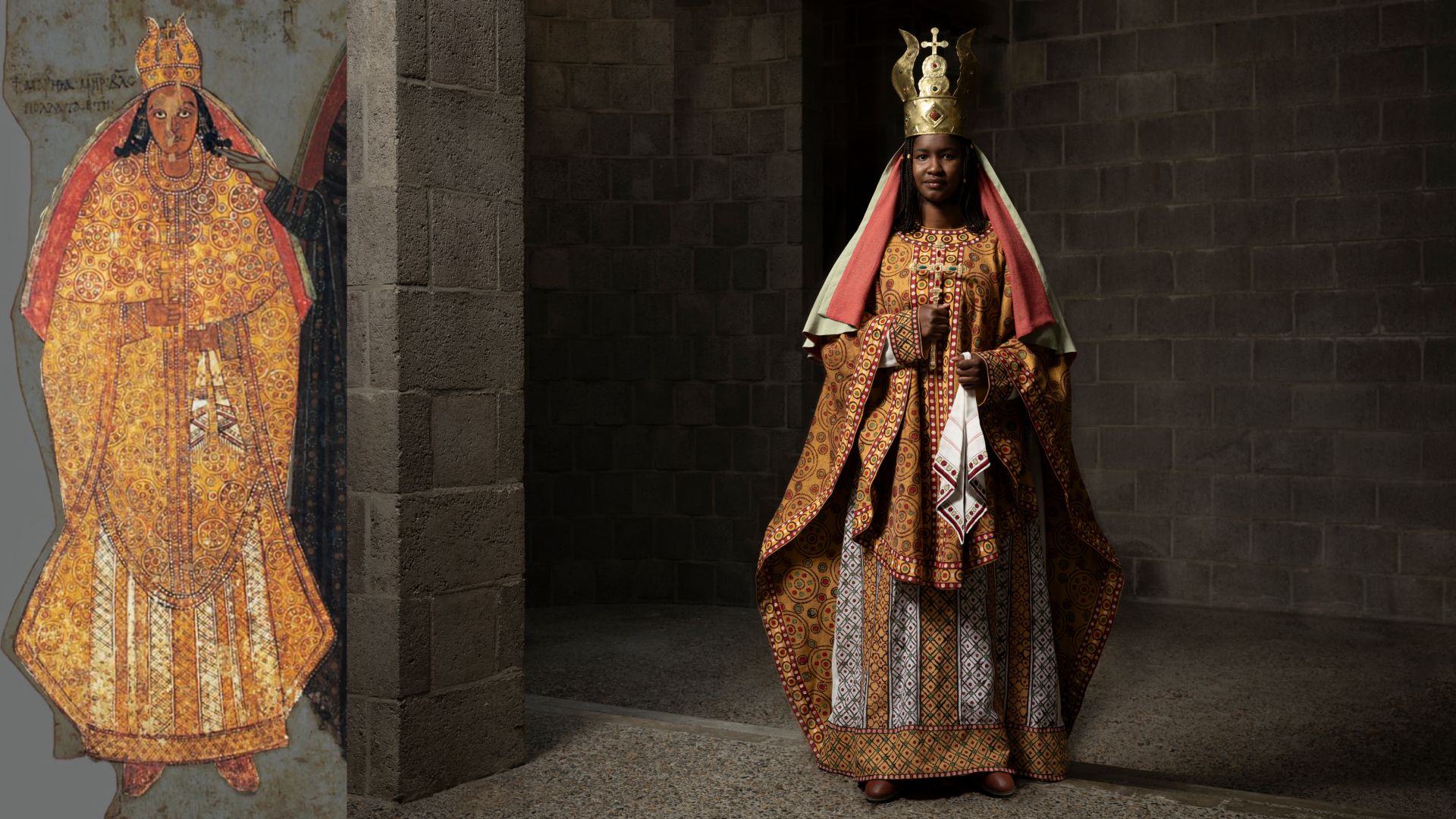
A recent project has successfully reconstructed 1,200-year-old Nubian royal and clergy garments using historically accurate fabrics and dyes, inspired by Christian cathedral murals. This reconstruction sheds new light on medieval African culture, revealing the complex interplay of religious and political power in Nubia. By connecting modern audiences to Nubian identity and authority, the effort highlights the cultural synthesis and matrilineal traditions of the period. For more details, see the original report from Live Science.

Key takeaways

  • The reconstruction replicates Nubian royal and clergy garments from 1,200 years ago using fabrics and dyes verified as historically accurate.
  • Christian cathedral murals served as the primary visual source guiding the costume designs.
  • The garments reveal medieval Nubia’s cultural synthesis, matrilineal traditions, and the link between religious and political authority.
  • Interdisciplinary collaboration was crucial, combining archaeology, textile science, and art history.
  • The project fosters a direct emotional and visual connection between modern audiences and Nubian identity and power structures.

What happened

Researchers embarked on a project to reconstruct royal and clergy garments worn in Nubia approximately 1,200 years ago. They based their work on Christian cathedral murals that depict Nubian elites, using these visual sources as the foundation for design and detail. The team selected historically accurate fabrics and natural dyes to faithfully recreate the clothing, ensuring authenticity in materials and colors. This meticulous approach aimed to capture the cultural and symbolic significance of the garments. The reconstructed costumes reveal the complex relationship between religious and political authority in medieval Nubia. They also highlight the region’s cultural synthesis and matrilineal traditions, providing new insights into Nubian society of the time. Throughout the project, interdisciplinary collaboration among archaeologists, historians, and textile experts proved essential in bringing these ancient garments back to life, connecting modern audiences to Nubian identity and heritage.

What the source actually says

The original report, published by Live Science, details a unique project that reconstructs royal and clergy garments from medieval Nubia, approximately 1,200 years ago. This reconstruction is based on Christian cathedral murals found in the region, which provide visual evidence of the clothing styles worn by Nubian elites during that period. Live Science explains that the project employed historically accurate fabrics and natural dyes to faithfully recreate the garments depicted in the murals. The source emphasizes the cultural significance of these costumes, highlighting how they reveal the intertwined religious and political authority in medieval Nubia, as well as the society’s matrilineal traditions. Importantly, the article underscores the collaborative nature of the work, involving experts from archaeology, textile studies, and history to ensure authenticity and depth of understanding. From this source alone, it can be confidently stated that the reconstruction offers a tangible connection to Nubian identity and cultural heritage, bringing to life aspects of medieval African history that are often underrepresented. For more detailed insights, the full report is available at Live Science.

Why it matters

This reconstruction project offers valuable insight into medieval Nubian society by visually and materially connecting us to its cultural identity and power structures. By using authentic fabrics and dyes informed by centuries-old murals, the work transcends traditional archaeological findings, allowing both scholars and the public to engage more deeply with Nubian history and its Christian influences. The effort also underscores the critical role of interdisciplinary collaboration, combining expertise in archaeology, art history, textile science, and cultural studies. This approach not only enhances the accuracy of the reconstructions but also enriches our understanding of Nubia’s matrilineal traditions and the fusion of religious and political authority during that era. For cultural heritage advocates and historians, these reconstructions provide a tangible link to a lesser-known African civilization, promoting broader recognition of Nubia’s contributions to medieval history. They also serve as a reminder of the importance of preserving and studying ancient art and textiles to fully appreciate the complexity of past societies.

Numbers, dates, and hard facts

The reconstructed Nubian garments date back approximately 1,200 years, originating from the medieval period of Nubia in Africa. The project utilized Christian cathedral murals as the primary visual source to guide the accurate design of royal and clergy costumes. Historically authentic fabrics and natural dyes were employed to ensure faithful reproduction of the original textiles. The reconstruction highlights key cultural aspects, including Nubia’s matrilineal traditions and the fusion of religious and political authority. Interdisciplinary collaboration among archaeologists, textile experts, historians, and artists was essential for the project’s success. The initiative serves to emotionally and visually connect contemporary audiences with Nubian identity and elite status as expressed through clothing.

What to watch next

Future developments to watch include further interdisciplinary studies that may uncover additional details about Nubian textile techniques and social customs. Researchers are expected to expand on this project by exploring other archaeological sites and artifacts to deepen understanding of Nubian cultural identity and its evolution over time. Upcoming exhibitions or publications showcasing these reconstructed garments could offer new opportunities for public engagement and scholarly discussion. Observers should also monitor any advances in dye analysis and fabric sourcing that might refine the historical accuracy of such reconstructions, helping to resolve open questions about material culture in medieval Nubia.
Ссылка на первоисточник
Greenland ice melt has surged sixfold and scientists are alarmed
Science & Tech

Greenland’s Ice Melt Surges Since 1990

Greenland’s ice melt has accelerated sixfold since 1990, driven mainly by rising temperatures rather than atmospheric shifts. Extreme melt…