Revolutionizing Brain Health Monitoring at Home
Beacon Biosignals has introduced a groundbreaking AI-driven EEG headband that is transforming how brain health is monitored by enabling patients to track their brain activity from the comfort of home. This innovation sidesteps the traditional reliance on clinical sleep labs, offering a scalable and continuous approach to capturing vital neurological data during sleep—a critical window for understanding brain function.
Why does this matter now? With neurological disorders like Alzheimer’s and Parkinson’s on the rise, early detection and ongoing monitoring have become essential yet remain challenging at scale. Beacon’s technology not only facilitates widespread access to brain health diagnostics but also feeds rich, real-world data into machine learning models, accelerating the development of predictive biomarkers and personalized treatments. This marks a pivotal shift toward proactive, precision neurology that integrates wearable tech, AI, and big data analytics to redefine brain disorder care.
Beacon Biosignals' Clinical Validation and Expansion
The Shift Toward Preventative Neurology
Recent advances in neurology increasingly emphasize prevention over reactive treatment, marking a pivotal shift in how brain health is managed. Traditionally, neurological disorders such as Alzheimer’s and Parkinson’s have been diagnosed only after symptoms manifest, often when intervention options are limited. However, emerging technologies are enabling earlier detection by continuously monitoring brain activity in everyday settings rather than confined clinical environments. This transition is driven by the need for scalable, accessible diagnostics that can capture subtle, preclinical changes in brain function—particularly during sleep, a critical window for neurological health.
Beacon Biosignals exemplifies this paradigm shift through its AI-powered EEG headband, which facilitates unobtrusive, home-based brain monitoring. By moving diagnostics out of specialized sleep labs and into patients’ homes, this technology supports longitudinal data collection at scale, offering unprecedented insights into early disease markers. Such capabilities align with the broader movement toward precision medicine, where interventions can be tailored based on continuous, individualized brain health data. The integration of machine learning and big data analytics further enhances the ability to identify prognostic biomarkers, enabling clinicians and researchers to anticipate disease trajectories and intervene proactively.
Understanding this preventative neurology context is essential to grasp the significance of Beacon’s clinical validation efforts and its expanding role in both patient care and pharmaceutical research. As brain health monitoring evolves from episodic testing to continuous surveillance, it promises not only to improve early diagnosis but also to transform therapeutic development and personalized treatment strategies.
Impact on Diagnosis, Treatment, and Drug Development
Beacon Biosignals’ AI-driven EEG technology is poised to reshape the landscape of neurological diagnosis, treatment, and drug development by delivering unprecedented accessibility and data richness. For clinicians, the ability to monitor brain activity continuously in a patient’s natural sleep environment removes the logistical and financial barriers of traditional sleep labs, enabling earlier and more frequent detection of subtle neurological changes. This shift not only accelerates diagnosis of conditions such as Alzheimer’s, Parkinson’s, and sleep apnea but also supports more personalized treatment plans tailored to individual brain function patterns.
From a therapeutic standpoint, the granular longitudinal data captured by Beacon’s wearable devices allows healthcare providers to track disease progression and treatment efficacy with greater precision. This real-time feedback loop can inform timely adjustments to interventions, improving patient outcomes and reducing trial-and-error approaches in managing complex brain disorders. Moreover, the integration of AI and machine learning algorithms enhances predictive capabilities, identifying early biomarkers that may signal disease onset well before clinical symptoms manifest, thus advancing preventative neurology.
In the pharmaceutical arena, Beacon’s technology offers transformative potential by providing continuous, objective brain function metrics during clinical trials. This capability can shorten drug development timelines and reduce costs by enabling more sensitive and dynamic endpoints, improving the evaluation of therapeutic candidates’ impact on neural activity. Partnerships between Beacon and drug developers are already fostering a new paradigm where brain health data drives precision medicine, accelerating the path from discovery to approved treatments.
For policymakers and healthcare systems, the scalability of home-based brain monitoring devices presents opportunities to extend neurological care to underserved populations and reduce the burden on specialized clinical facilities. However, it also raises important considerations around data privacy, regulatory oversight, and equitable access that must be addressed to fully realize the technology’s benefits.
Ultimately, Beacon Biosignals’ AI-powered EEG headband exemplifies a critical technological leap toward democratizing brain health monitoring. By enabling scalable, continuous, and context-rich data collection outside clinical settings, it holds promise to transform diagnosis, optimize treatment, and accelerate drug development — marking a significant stride in the evolution of precision neurology.
Future Directions in Precision Neurology
As Beacon Biosignals continues to refine and expand its AI-driven EEG technology, several key developments will shape the future landscape of precision neurology. Foremost, the integration of multi-modal data streams—combining EEG with other physiological markers collected via wearables—promises to enhance the granularity and predictive power of brain health assessments. Researchers and clinicians should closely watch the emergence of standardized algorithms capable of interpreting these complex datasets in real time, enabling personalized intervention strategies that adapt dynamically to an individual’s neurological state.
Another critical milestone will be the broader regulatory acceptance and reimbursement frameworks for home-based brain monitoring devices. Successful navigation through these channels will be essential to scale access beyond specialized clinical settings, making continuous brain health tracking a routine component of preventative care. The ongoing expansion of clinical validation studies, particularly those demonstrating longitudinal outcomes and cost-effectiveness, will provide the necessary evidence base to support this transition.
Pharmaceutical collaborations remain a pivotal area to monitor, as Beacon’s technology offers unprecedented resolution in detecting subtle drug effects on brain function. The next wave of signals will likely include novel biomarker discoveries that accelerate drug development cycles and enable more precise patient stratification in clinical trials. This could fundamentally alter therapeutic pipelines for neurodegenerative and psychiatric disorders, shifting focus from symptomatic treatment to disease modification.
Lastly, open questions around data privacy, interoperability, and user adherence will continue to influence adoption trajectories. How these challenges are addressed through transparent data governance models and user-centered design will determine the technology’s long-term impact and trustworthiness. By maintaining a rigorous, evidence-driven approach to these issues, Beacon Biosignals and the broader field can ensure that AI-powered brain monitoring evolves responsibly and inclusively.
In sum, the next signals to watch in precision neurology center on technological integration, regulatory progress, pharmaceutical innovation, and ethical frameworks. Together, these factors will define how wearable brain monitoring transitions from a promising tool to an indispensable pillar of personalized neurological care.
Frequently Asked Questions about AI-Driven Brain Monitoring
Unlike conventional sleep studies conducted in clinical labs, Beacon’s AI-driven EEG headband enables continuous brain activity monitoring in the comfort of a patient’s home. This wearable device captures comprehensive sleep data without the need for cumbersome equipment or overnight hospital stays, making brain health assessments more accessible and scalable across diverse populations.
What neurological disorders can be detected early using this technology?
Beacon’s technology is designed to identify early biomarkers associated with a range of neurological conditions, including Alzheimer’s disease, Parkinson’s disease, and various psychiatric disorders. By analyzing detailed sleep patterns and brainwave activity, the system can detect subtle changes that precede clinical symptoms, facilitating earlier intervention and improved outcomes.
How does the integration of AI and big data analytics enhance brain health monitoring?
The combination of machine learning algorithms and large-scale data analysis allows Beacon’s platform to interpret complex EEG signals with high precision. AI models continuously learn from aggregated sleep data to identify patterns indicative of neurological decline, enabling personalized diagnostics and prognostic insights that evolve with each patient’s longitudinal data.
What role do pharmaceutical partnerships play in advancing this technology?
Collaborations with pharmaceutical companies are crucial for translating Beacon’s brain monitoring capabilities into drug development and therapeutic evaluation. Real-time, objective brain function data collected via the wearable device supports clinical trials by providing sensitive endpoints, accelerating drug discovery, and enabling tailored treatment strategies in precision neurology.

Global Digests News delivers timely, credible coverage of world affairs, politics, economy, and technology to keep you informed on today’s top stories.

GitHub Tightens Bug Bounty Rules to Cut Low-Value Reports
GitHub is raising standards for its bug bounty program to weed out AI-generated, low-impact reports. Now, submissions must prove reproducib…
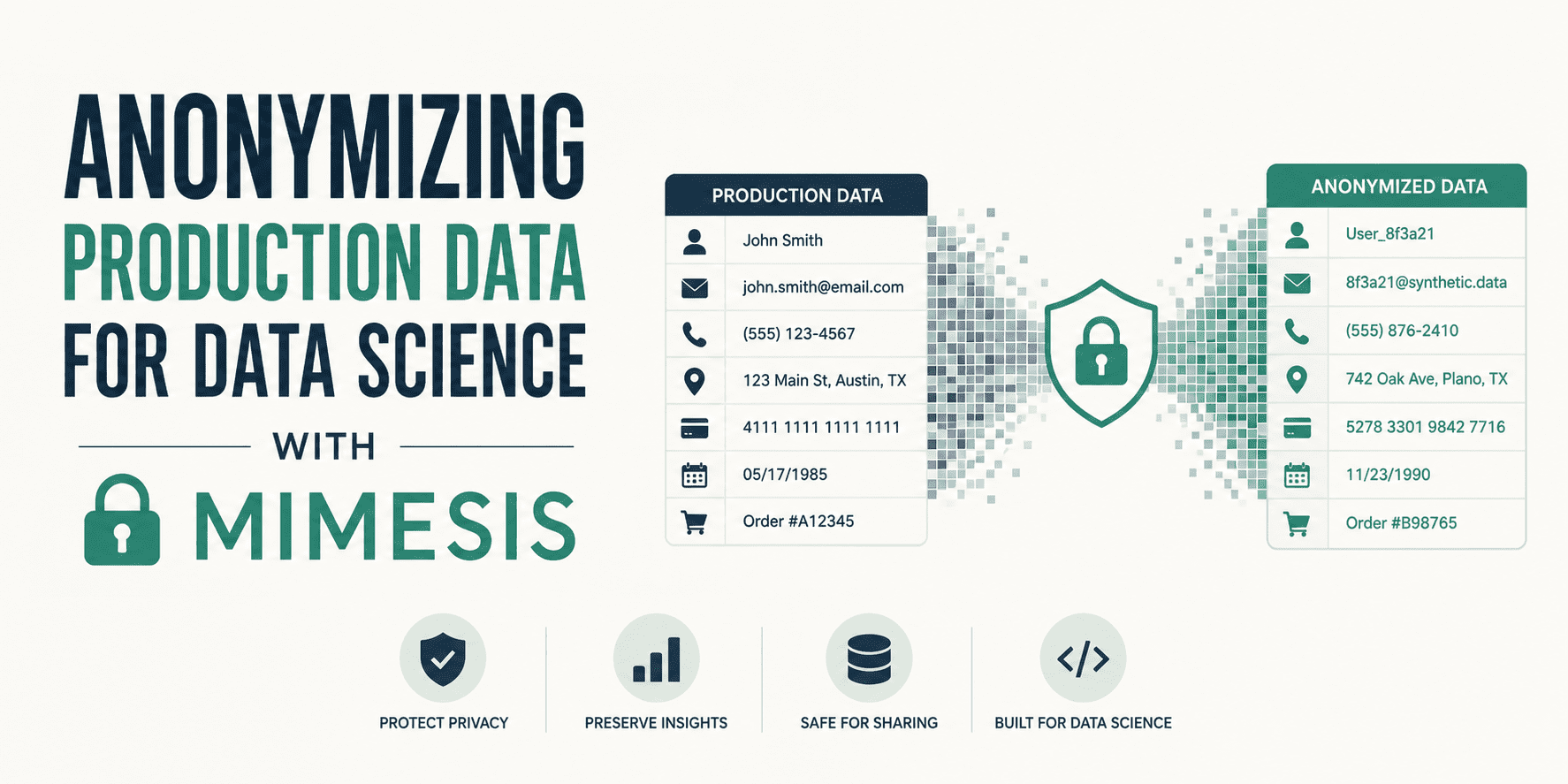
Data Anonymization with Mimesis: Key Insights
Mimesis is an open-source Python library that generates realistic synthetic data locally, enabling effective anonymization of sensitive pro…

Louisiana’s Vanishing Coastline: Early Signals of Climate-Driven Change
Louisiana’s coastline is disappearing rapidly due to rising seas and stronger storms, triggering population shifts and economic upheaval. A…
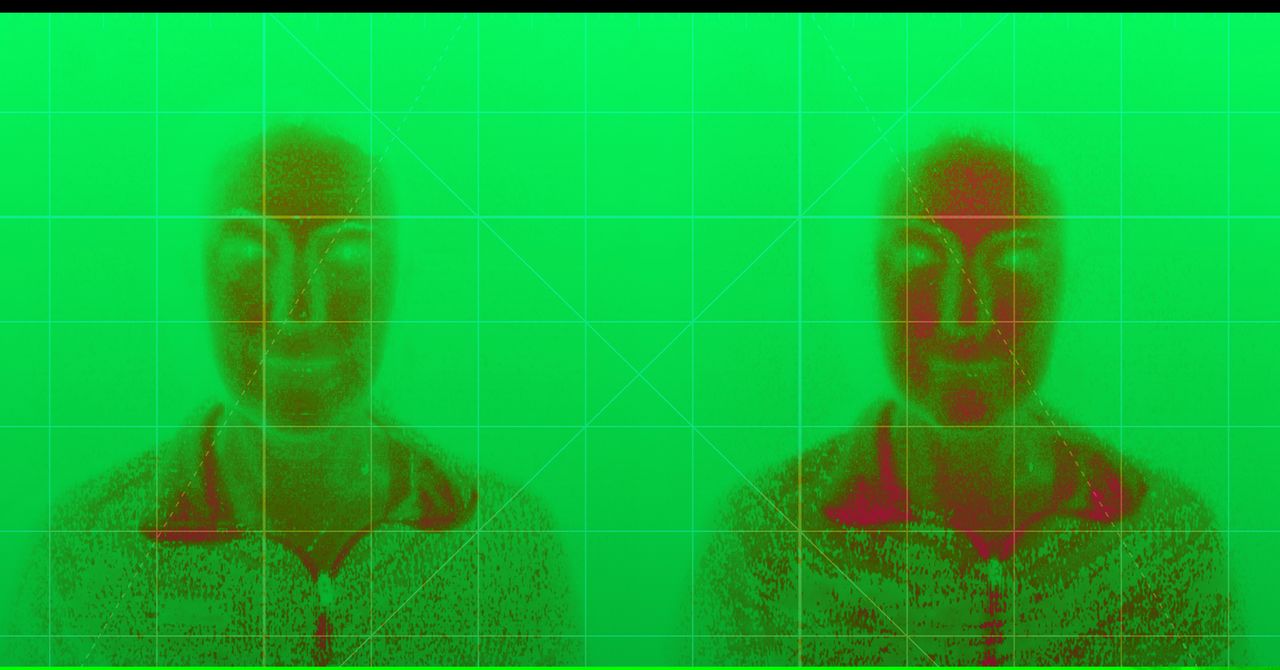
Metalenz Unveils Polar ID: Rethinking Face Authentication with Invisible Sensors
Metalenz’s Polar ID uses optical metasurfaces to analyze polarized light from skin, beating spoofing attempts better than Face ID. Hidden b…

DHS Attempts to Access Data on Canadian Critic of U.S. Immigration
The Department of Homeland Security used a customs summons to demand Google hand over location and activity data on a Canadian man critical…

Bohmian Mechanics: Revisiting Quantum Determinism After New Tests
Bohmian mechanics, once sidelined, returned to focus after a 2025 photon tunneling experiment tested its deterministic claims. The results…

Dark Matter Detection: Innovations Inspired by Henry Cavendish's Experiment
A modern take on Henry Cavendish’s 18th-century torsion balance proposes nested metal shells and ultra-sensitive voltage measurements to de…

Greenland’s Ice Melt Surges Since 1990
Greenland’s ice melt has accelerated sixfold since 1990, driven mainly by rising temperatures rather than atmospheric shifts. Extreme melt…