Google’s $10M REPLIQA Initiative

Google’s REPLIQA Initiative kicks off with a $10 million investment, aiming to push quantum computing and AI into new territory within biology. This isn’t incremental tinkering; it targets molecular simulations that have long resisted classical computing efforts. Specifically, it focuses on quantum sensors and algorithms to model complex systems like P450 enzymes—critical for drug metabolism but notoriously difficult to simulate accurately. What stands out is REPLIQA’s collaborative framework, linking Google with Harvard, MIT, UC San Diego, UC Santa Barbara, and the University of Arizona. This signals a shift from speculative quantum hype toward serious, multidisciplinary research. The question now is how fast these quantum-enhanced tools will translate into real advances in drug discovery and computational biology. The stakes are high, and the timeline remains uncertain, but REPLIQA’s scale and focus suggest quantum-assisted life sciences may be closer than many expect.

Quantum Computing Meets Biology

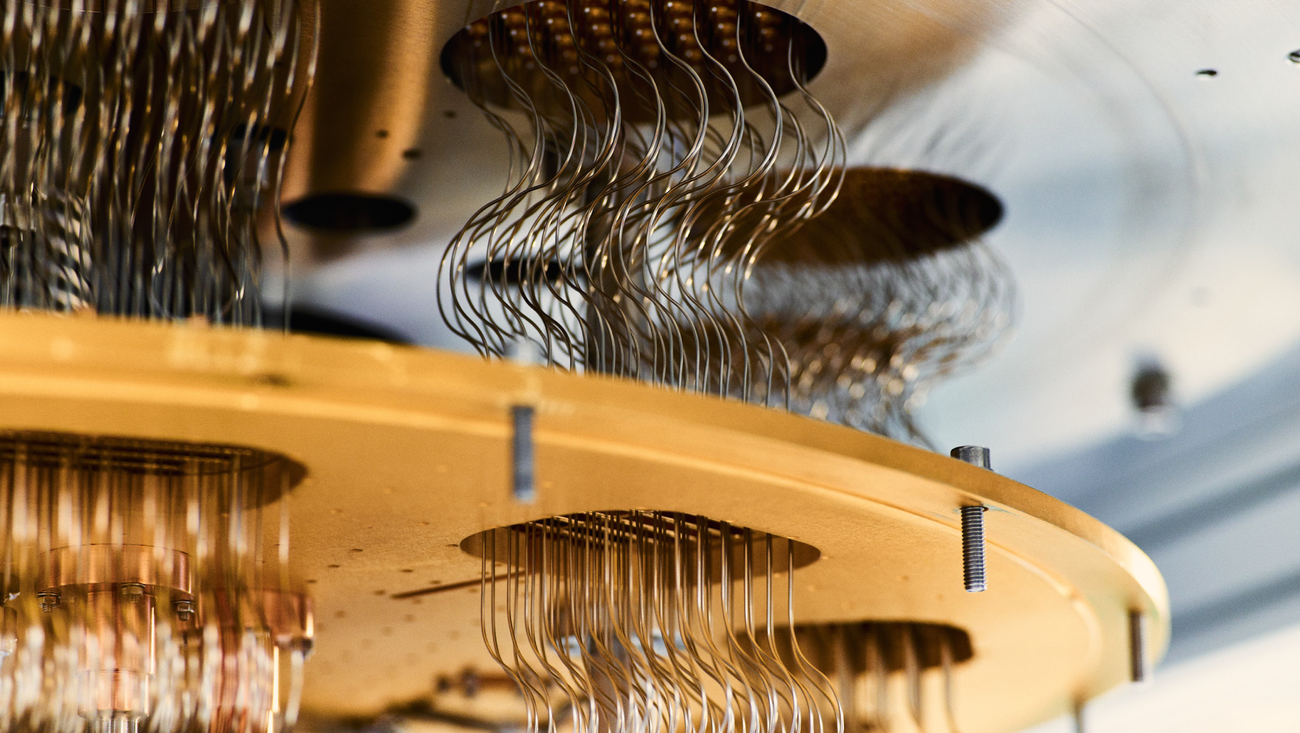
Announced in early 2024, REPLIQA represents a strategic pivot toward applying quantum computing to biological research. The $10 million project confronts the well-known limitations of classical computers in simulating complex molecular interactions. At its core is the study of cytochrome P450 enzymes—key players in drug metabolism whose quantum behavior has eluded precise computational modeling. Google has assembled a consortium of leading academic institutions—Harvard, MIT, UC San Diego, UC Santa Barbara, and the University of Arizona—blending expertise in quantum physics, computational biology, and AI. The initiative focuses on developing quantum sensors and algorithms capable of capturing molecular dynamics with a level of accuracy classical methods can’t match. REPLIQA integrates AI-driven techniques with emerging quantum hardware to simulate enzyme activity at unprecedented scales and complexities. Early efforts prioritize foundational research over commercial products, aiming to establish robust methodologies and benchmarks. This groundwork could ultimately reshape computational pipelines in drug discovery and life sciences. The project’s launch reflects a growing consensus that quantum-enhanced simulations are moving beyond theory. By targeting specific biochemical systems and fostering cross-disciplinary collaboration, REPLIQA sets a precedent for how quantum computing might soon make tangible impacts in biology.

Collaborations and Scientific Targets

REPLIQA is anchored by collaborations with some of the nation’s top research institutions—Harvard, MIT, UC San Diego, UC Santa Barbara, and the University of Arizona. These partnerships are substantive; each brings specialized expertise in quantum algorithms, molecular biology, and computational modeling. The project zeroes in on simulating cytochrome P450 enzymes, a notoriously complex protein class essential for metabolizing drugs and toxins. Traditional computational methods falter against the quantum complexity of these interactions, making P450 a prime candidate for quantum-enhanced simulation. Beyond enzymes, REPLIQA aims to develop quantum sensors and algorithms that probe molecular interactions with unprecedented precision. This isn’t about immediate commercial tools but foundational science—building quantum and AI frameworks that could eventually overhaul drug discovery and biological research. Google’s investment and choice of collaborators suggest a long game: betting that quantum computing will unlock biological insights classical systems can’t reach.

What REPLIQA Means for Life Sciences

REPLIQA’s promise goes beyond flashy quantum breakthroughs. It’s about changing how researchers tackle biology’s toughest puzzles. By combining quantum computing with AI, the project seeks to simulate molecular processes—like those involving P450 enzymes—that have long defied classical methods. For life sciences, this could mean faster, more accurate drug discovery and a deeper understanding of complex biochemical interactions. Practically, REPLIQA might reduce guesswork in early-stage drug design, cutting costly trial-and-error phases. It also opens new avenues for academic labs and pharma companies to explore molecules previously too complex to model. While commercial applications remain down the line, REPLIQA lays essential groundwork that could accelerate innovation in biotech and medicine over the coming years. In effect, REPLIQA marks a shift from incremental improvements to fundamentally new computational tools. For those tracking life sciences, it’s a development worth following—not as a quick fix, but as a foundational step toward quantum-powered biology.
Ссылка на первоисточник
Greenland ice melt has surged sixfold and scientists are alarmed
Science & Tech

Greenland’s Ice Melt Surges Since 1990

Greenland’s ice melt has accelerated sixfold since 1990, driven mainly by rising temperatures rather than atmospheric shifts. Extreme melt…