Opening the Google I/O 2026 Keynotes

The Google I/O 2026 keynotes arrived packed with announcements stretching AI, Android, Chrome, and Cloud platforms. Now available on demand, these sessions spotlight Google’s push for deeper integration and expanded capabilities. Yet, the speed and breadth of these changes raise red flags about system stability and security. Developers navigate a landscape where innovation often outpaces thorough vetting. New AI frameworks promise smarter automation but risk hidden vulnerabilities due to their complexity. Android updates tout enhanced user control, but device fragmentation remains a thorny issue. Chrome’s performance gains come with trade-offs in extension compatibility, while Cloud’s scalability ambitions may increase attack surfaces. This opening salvo demands a sharp, critical eye to distinguish solid progress from technical pitfalls lurking beneath.

Highlights from AI, Android, Chrome, and Cloud Innovations

Google I/O 2026 rolled out a complex mix of updates across AI, Android, Chrome, and Cloud, each with distinct technical nuances. The AI segment introduced improvements in generative models, focusing on real-time contextual understanding. A new framework aims to simplify deploying models on edge devices, reducing latency but raising questions about performance on less capable hardware. Android’s update centers on smarter multitasking and AI-driven personalization. Apps can now adjust UI elements dynamically based on locally detected user behavior. While this enhances experience, it risks inconsistent behavior across devices and potential privacy concerns tied to local data processing. Chrome’s spotlight was on performance and WebAssembly support. Multi-threaded WebAssembly modules promise faster web apps but introduce concurrency risks that could destabilize browsing if not rigorously tested across diverse environments. Cloud innovations include a distributed AI training platform leveraging federated learning to avoid centralized data pooling. This reduces exposure risks but faces challenges in securely synchronizing updates across nodes. Google also emphasized developer tools and SDKs to aid adoption. Workshops tackled integration but surfaced questions on backward compatibility and infrastructure readiness. The rapid innovation pace demands cautious evaluation of deployment risks and system robustness.

Assessing Risks and Opportunities in New Announcements

The ambitious leaps at Google I/O 2026 come with technical and operational risks that deserve scrutiny. AI advancements rely heavily on datasets and model robustness that remain opaque. Without transparent benchmarks or stress tests in varied real-world scenarios, risks of overfitting or biased outputs linger, especially as these models embed deeper into Android and Cloud services. Android’s push for tighter integration and new APIs risks compatibility issues. Device fragmentation and hardware diversity could slow adoption or introduce subtle security flaws if updates are uneven. Chrome’s evolving architecture, now integrating AI-driven features, expands attack surfaces that have yet to undergo independent security audits. Cloud promises scalability and efficiency but adds complexity in multi-cloud orchestration and data privacy compliance. Automated resource management tools heighten risk if anomaly detection or rollback mechanisms fail under unusual load or attack. The fast rollout pace, combined with limited early access beyond Google’s ecosystem, may delay community-driven testing. This bottleneck could postpone discovery of edge-case bugs or performance issues, critical in sectors like healthcare or finance. While the technical strides are notable, stable, secure, and equitable deployment remains uncertain. Engineers must demand rigorous validation and adopt cautious rollout strategies to mitigate these latent risks.

Technical Resources and Developer Recommendations

Google I/O 2026 delivers a wealth of technical material for developers ready to engage with new tools and frameworks. On-demand keynotes and breakout sessions offer direct insight into APIs, SDKs, and cloud services, enabling engineers to assess trade-offs firsthand. For AI practitioners, expanded TensorFlow capabilities and model deployment options merit immediate exploration. Android developers face a mixed picture. The modular architecture promises efficient updates and resource management, but compatibility risks persist due to manufacturer lag. Careful review of compatibility notes is essential before broad rollout. Chrome’s tightened security and privacy controls restrict third-party cookies and cross-site tracking. These changes improve user privacy but require significant adjustments in web app design and analytics. Testing in staging environments is crucial to avoid surprises in production. Cloud services bring automation and scalability but increase complexity in managing distributed workloads and costs. New AI-driven monitoring tools can help but need careful tuning to prevent alert fatigue or missed anomalies. Practically, engineers should dive into documentation, sample code, and workshops immediately. Engaging with community forums can surface early issues. The event signals a clear direction toward cross-platform consistency and AI integration, but technical hurdles remain. Vigilant testing, incremental adoption, and continuous monitoring are essential to harness these innovations without setbacks.
Ссылка на первоисточник
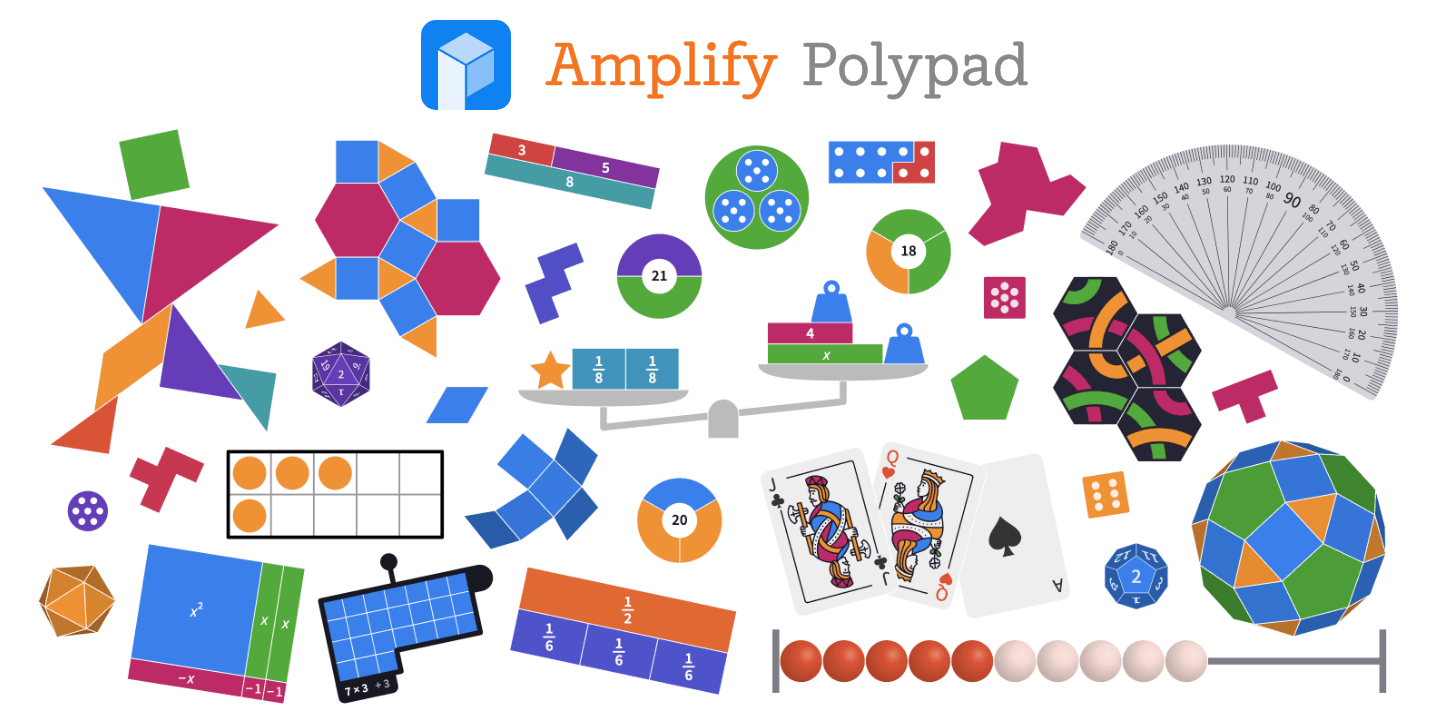
Polypad – The Mathematical Playground
Cybersecurity

Math Learning Tools Digest

Polypad is a free, browser-based platform offering customizable virtual math manipulatives like fraction bars, 3D polyhedra, and logic gate…