FastAPI Cloud Simplifies Python API Deployment

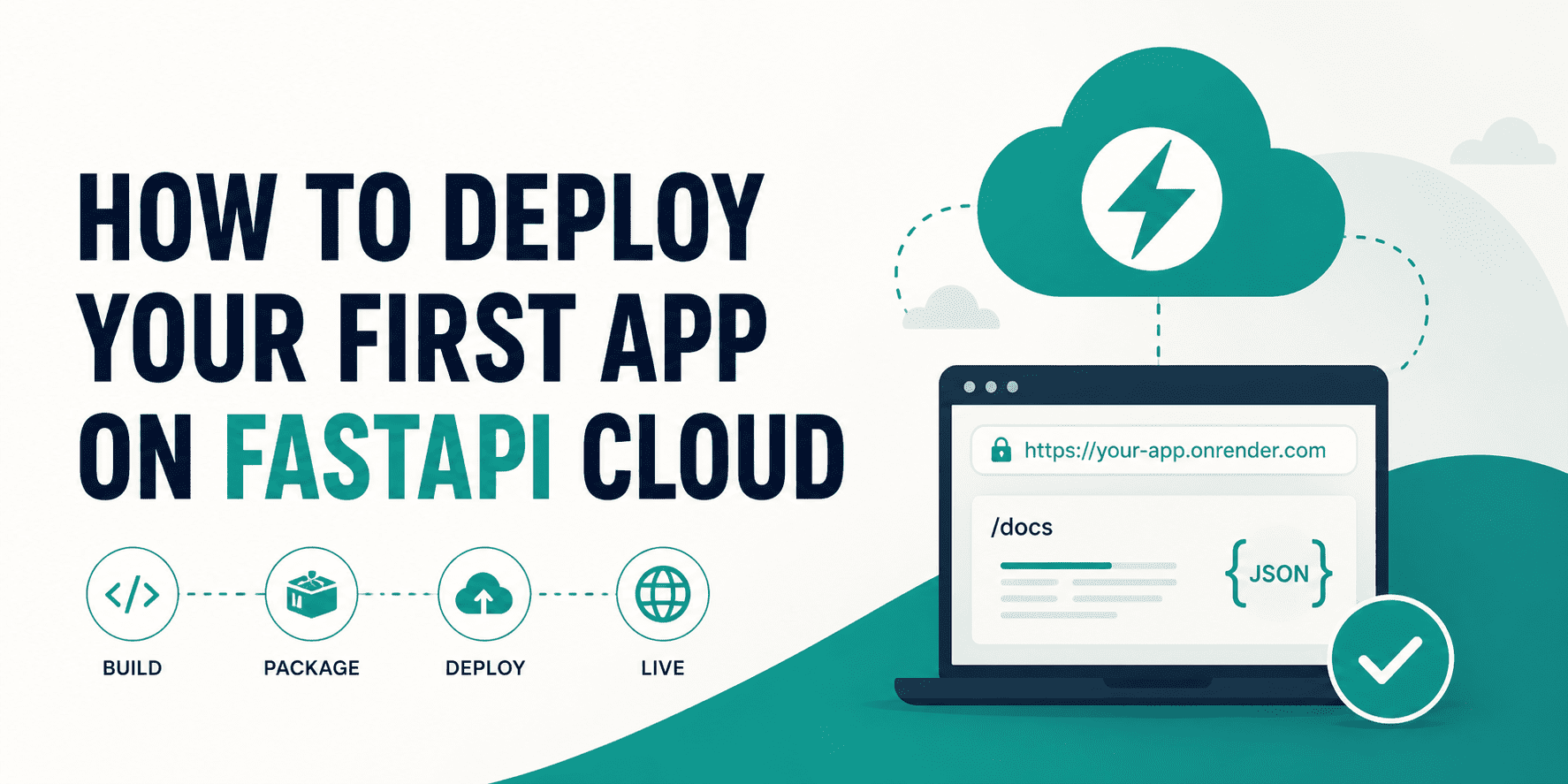
FastAPI Cloud just made launching Python APIs easier. With a single command-line instruction, developers can push a FastAPI app live on a public URL—no server setup needed. This cuts out the usual hassle of manual configuration and speeds up deployment from local tests straight to production. The process starts by scaffolding a project using the uv toolchain, then building a dashboard that pulls live data from external sources, like gold and silver prices. Once tested locally, the app deploys instantly. It’s a streamlined experience reminiscent of platforms like Vercel or Supabase, tailored for teams running machine learning or AI services on FastAPI. Interactive API docs come ready out of the box, and a basic log dashboard helps monitor activity without extra tools. For now, access is limited to a waitlist, and production use has some constraints—but the promise of simplified deployment is clear.

One-Command Deployment and Live Dashboards

FastAPI Cloud cuts through the usual complexity of deploying Python APIs by boiling the process down to a single command. Developers start by scaffolding their project with the uv toolchain, which sets up the necessary files and structure. From there, they build a dashboard that actively pulls live data—like gold and silver prices—from an external API. Testing happens locally first to catch any issues early. Once ready, the push to production is just one more CLI command away. This instantly spins up a live public URL hosting the API, eliminating the need to manually configure servers or deployment pipelines. The platform automatically generates interactive API documentation accessible at the endpoint, so teams can explore and test their APIs right away. FastAPI Cloud also includes a built-in log monitoring dashboard. It offers basic observability features, letting developers track requests and errors without wiring in separate tools. This visibility is crucial for troubleshooting and performance checks during early deployments. At present, access to FastAPI Cloud is limited to a waitlist, and production capabilities remain somewhat restricted. Still, the streamlined workflow and integrated tools promise to shave hours off deployment time, especially for teams managing AI or machine learning backends with FastAPI.

How FastAPI Cloud Fits Among Managed Platforms

FastAPI Cloud steps into a crowded field of managed platforms aiming to simplify backend deployment. It shares a family resemblance with services like Vercel and Supabase, which have already carved out strong niches for frontend and full-stack apps. What sets FastAPI Cloud apart is its laser focus on Python APIs built with FastAPI—a framework that’s gained traction for its speed and developer-friendly design. Unlike general-purpose cloud providers, FastAPI Cloud bundles deployment, hosting, and monitoring into a streamlined package tailored for API-centric workflows. It automates what traditionally required manual server setup or container orchestration. The platform scaffolds projects with the uv toolchain, providing a ready-made path from local testing to live endpoints. Interactive API documentation comes out of the box, a convenience that accelerates early-stage development and testing cycles. However, it’s still early days. FastAPI Cloud remains in limited access, which means production-grade scaling and integrations are yet to be fully tested in the wild. For teams already invested in FastAPI, the promise is clear: a managed environment that cuts friction and speeds delivery. But for those needing mature ecosystem support or advanced customization, existing platforms might still hold the edge. FastAPI Cloud’s niche is narrow but well-defined—offering a fresh alternative for Python API developers who want less overhead and more focus on code.

Current Limits and What Developers Should Know

FastAPI Cloud’s promise to cut setup time comes with some strings attached. Right now, access is gated behind a waitlist, limiting who can try it out immediately. That means developers eager to jump in might face delays, especially as demand grows. The platform also remains in early access, so stability and feature completeness aren’t guaranteed yet. Production-ready use cases should proceed cautiously—critical apps might need more robust guarantees than FastAPI Cloud currently offers. The simplicity of one-command deployment and automatic API docs is a boon, but it might not fit every scenario. Complex configurations, custom backend integrations, or advanced scaling controls are off the table for now. Teams accustomed to fine-tuning cloud infrastructure may find the platform too opinionated or restrictive. Also, the built-in logging dashboard provides basic observability but lacks the depth and flexibility of specialized monitoring tools. For startups and AI projects using FastAPI for ML model endpoints, this could be a quick way to get prototypes live. Yet, anyone eyeing longer-term maintenance or enterprise-grade reliability should weigh these limits carefully. FastAPI Cloud is carving out a niche for rapid deployment, but it’s not a full replacement for mature cloud platforms. Developers should balance its convenience against current constraints before committing to it as a core deployment solution.
Ссылка на первоисточник
Greenland ice melt has surged sixfold and scientists are alarmed
Science & Tech

Greenland’s Ice Melt Surges Since 1990

Greenland’s ice melt has accelerated sixfold since 1990, driven mainly by rising temperatures rather than atmospheric shifts. Extreme melt…