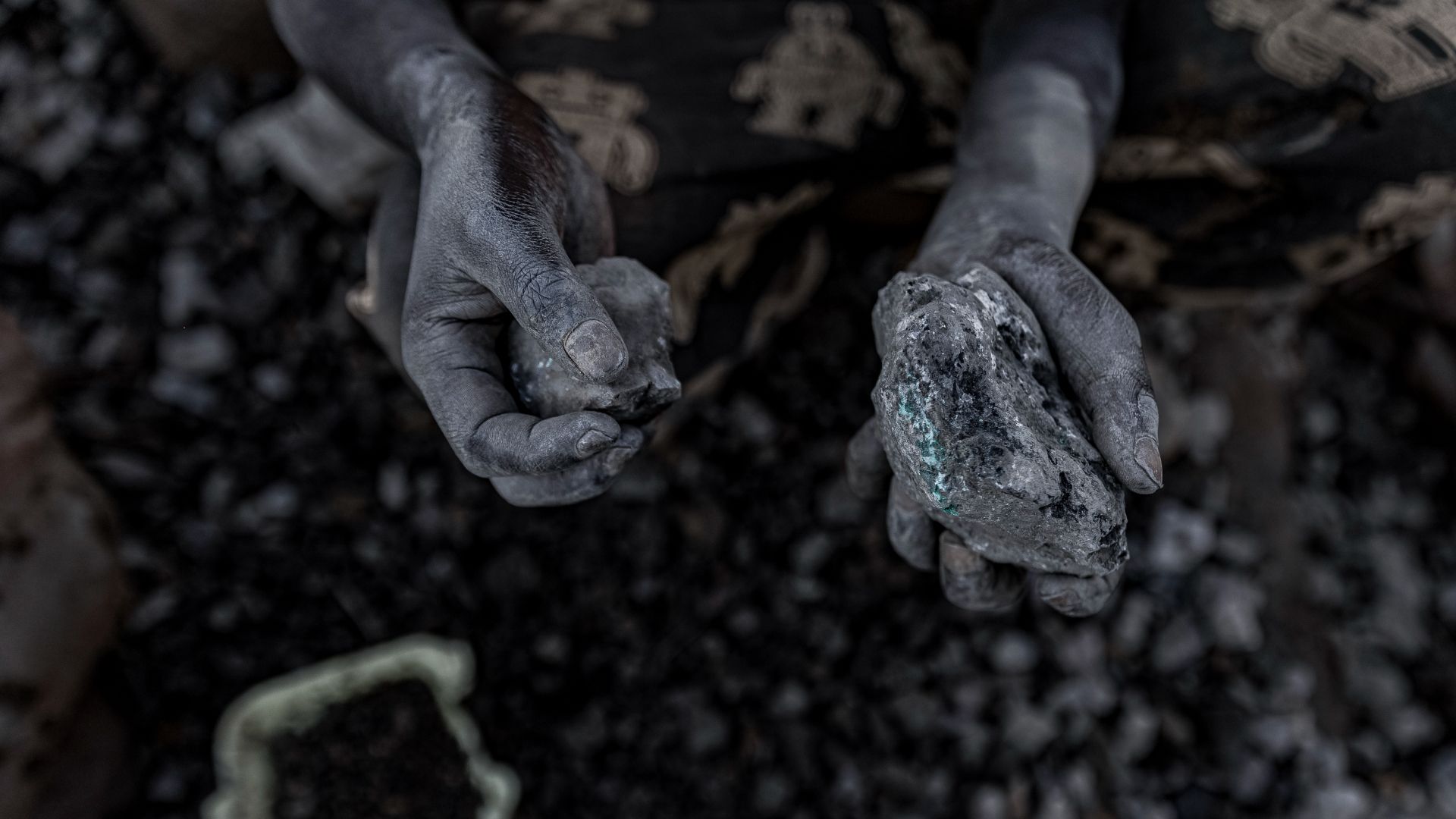
Source-backed lead
Key takeaways
- Mining critical minerals consumes vast water resources and causes severe environmental pollution.
- Communities near mines in Chile’s Atacama Desert and the Democratic Republic of the Congo face increased rates of birth defects and cancers.
- Child labor is widespread in artisanal mining, exposing minors to hazardous working conditions.
- Stronger international regulations and improved mining technologies are urgently needed for sustainability.
- Enhanced recycling and community leadership are key strategies to reduce mining’s social and environmental harms.
What happened
What the source actually says
Why it matters
Numbers, dates, and hard facts
- Mining operations consume vast quantities of water, often depleting local supplies in arid regions like Chile’s Atacama Desert.
- Pollution from mining activities contaminates soil and water, contributing to increased rates of birth defects and cancers in nearby communities.
- Child labor is prevalent in artisanal cobalt mining in the Democratic Republic of the Congo, exposing minors to hazardous working conditions.
- These negative impacts have been documented extensively by scientific and human rights organizations, highlighting "sacrifice zones" where environmental degradation and social harm are concentrated.
- Current efforts to address these issues emphasize the need for stronger international regulations, improved mining technologies, enhanced community leadership, and increased recycling of critical minerals.
What to watch next
Moving forward, stakeholders should closely monitor the implementation of stronger international regulations aimed at reducing environmental damage and protecting vulnerable communities near mining sites. Advances in mining technology and increased recycling efforts will also be critical to watch, as they hold promise for mitigating the current harmful impacts while meeting global demand for green technology minerals.
Additionally, ongoing health studies and community reports from affected regions like Chile’s Atacama Desert and the Democratic Republic of the Congo will provide important updates on the effectiveness of these measures. The balance between critical mineral supply and social and environmental responsibility remains a key unresolved challenge in the transition to sustainable energy and technology solutions.
Global Digests News delivers timely, credible coverage of world affairs, politics, economy, and technology to keep you informed on today’s top stories.

GitHub Tightens Bug Bounty Rules to Cut Low-Value Reports
GitHub is raising standards for its bug bounty program to weed out AI-generated, low-impact reports. Now, submissions must prove reproducib…
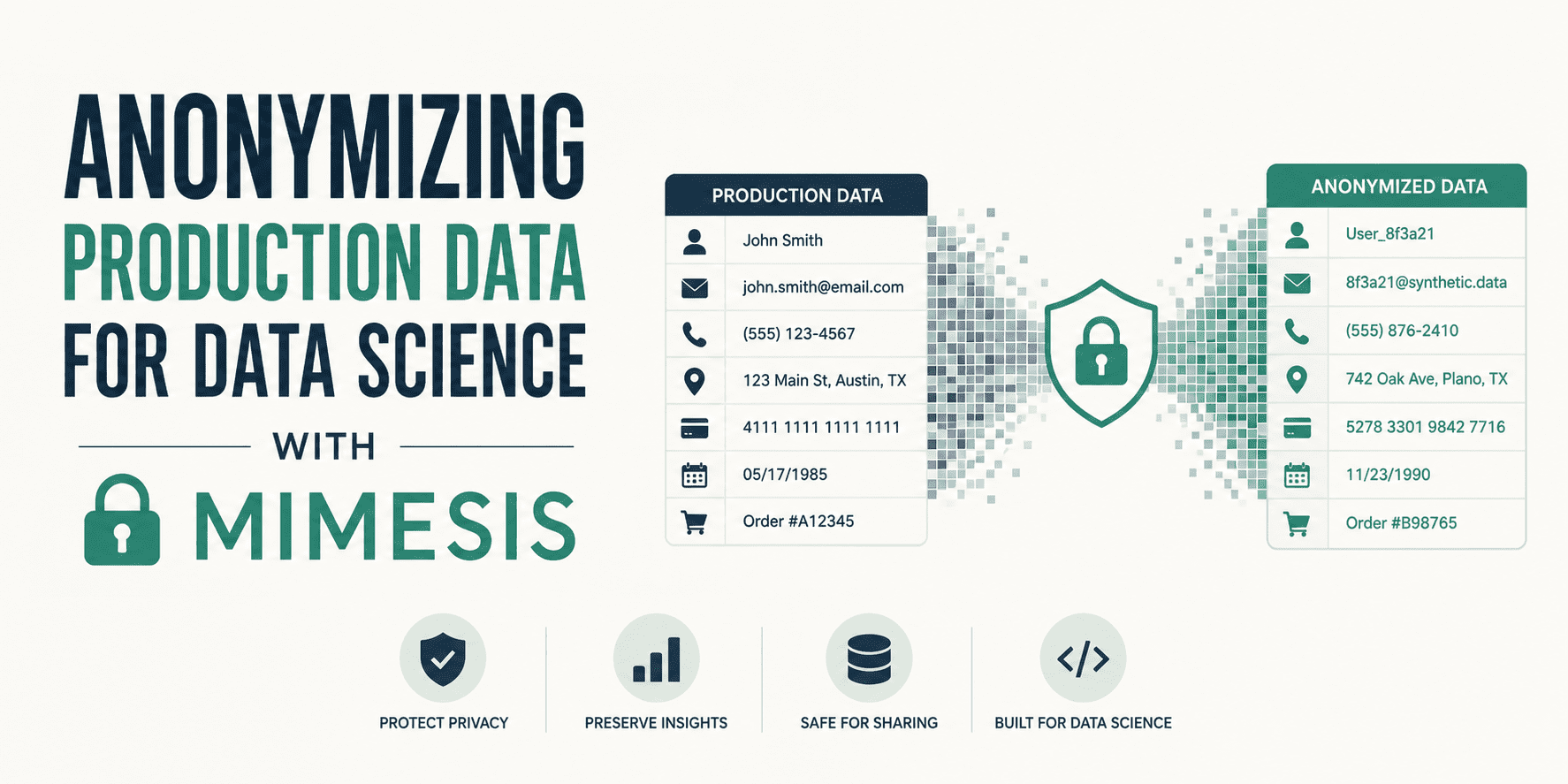
Data Anonymization with Mimesis: Key Insights
Mimesis is an open-source Python library that generates realistic synthetic data locally, enabling effective anonymization of sensitive pro…
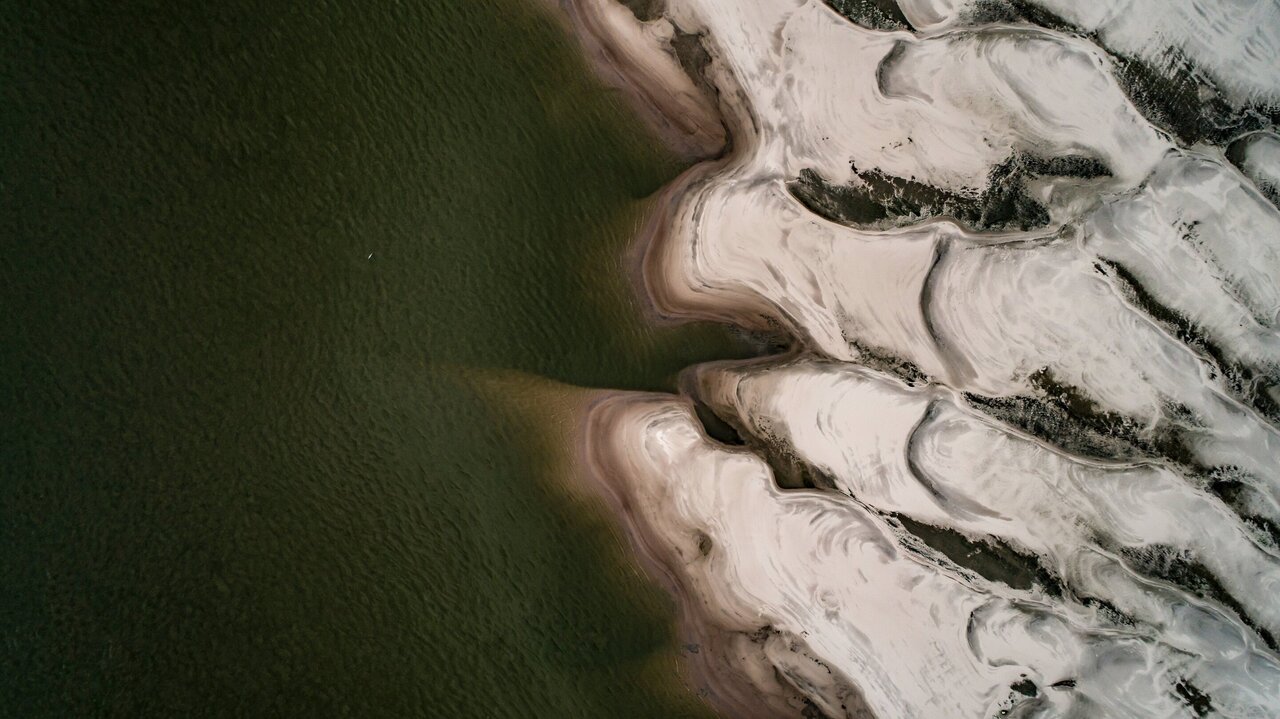
Louisiana’s Vanishing Coastline: Early Signals of Climate-Driven Change
Louisiana’s coastline is disappearing rapidly due to rising seas and stronger storms, triggering population shifts and economic upheaval. A…

Metalenz Unveils Polar ID: Rethinking Face Authentication with Invisible Sensors
Metalenz’s Polar ID uses optical metasurfaces to analyze polarized light from skin, beating spoofing attempts better than Face ID. Hidden b…

DHS Attempts to Access Data on Canadian Critic of U.S. Immigration
The Department of Homeland Security used a customs summons to demand Google hand over location and activity data on a Canadian man critical…

Bohmian Mechanics: Revisiting Quantum Determinism After New Tests
Bohmian mechanics, once sidelined, returned to focus after a 2025 photon tunneling experiment tested its deterministic claims. The results…
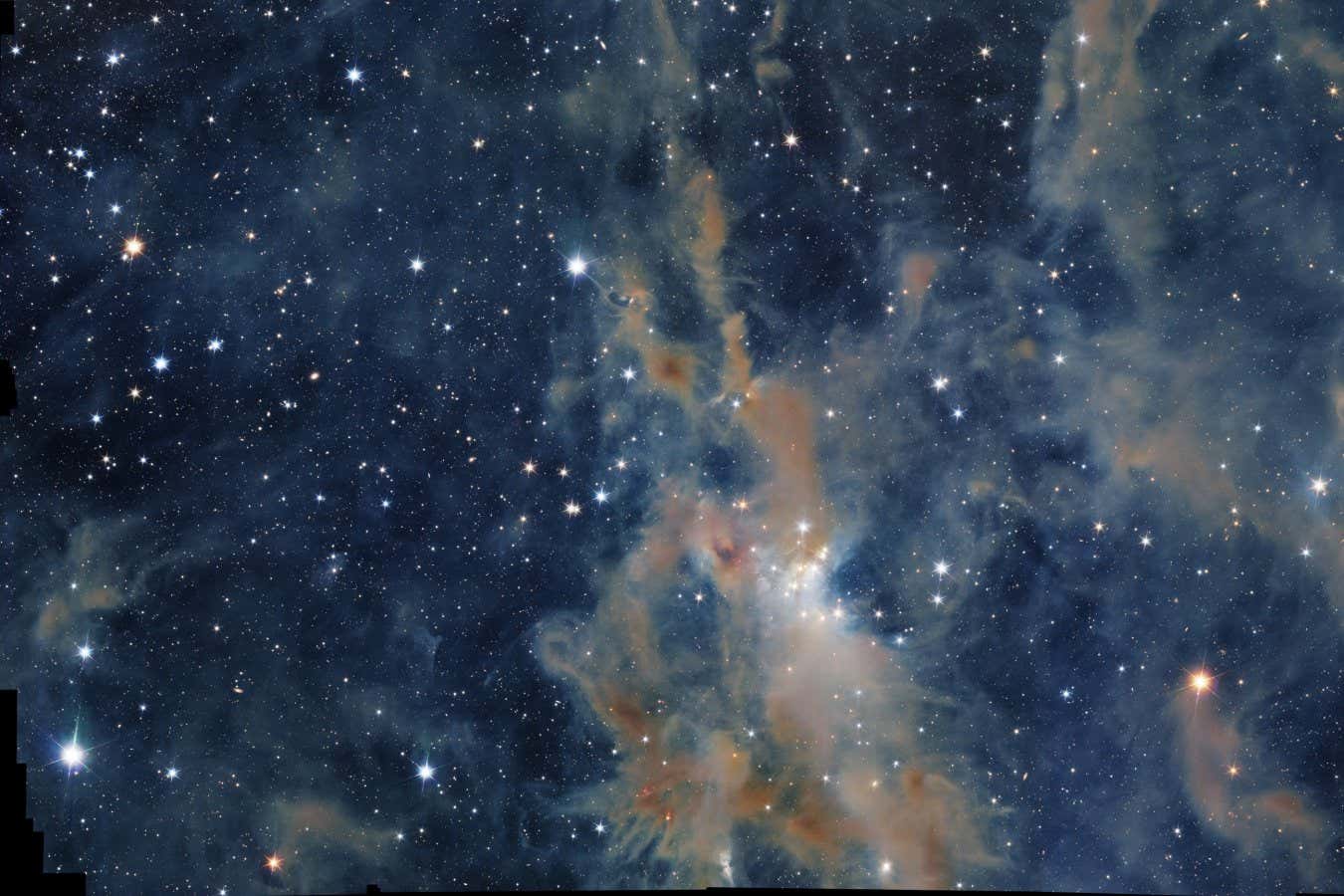
Dark Matter Detection: Innovations Inspired by Henry Cavendish's Experiment
A modern take on Henry Cavendish’s 18th-century torsion balance proposes nested metal shells and ultra-sensitive voltage measurements to de…
Greenland’s Ice Melt Surges Since 1990
Greenland’s ice melt has accelerated sixfold since 1990, driven mainly by rising temperatures rather than atmospheric shifts. Extreme melt…