Breakthrough in Marine eDNA Sampling
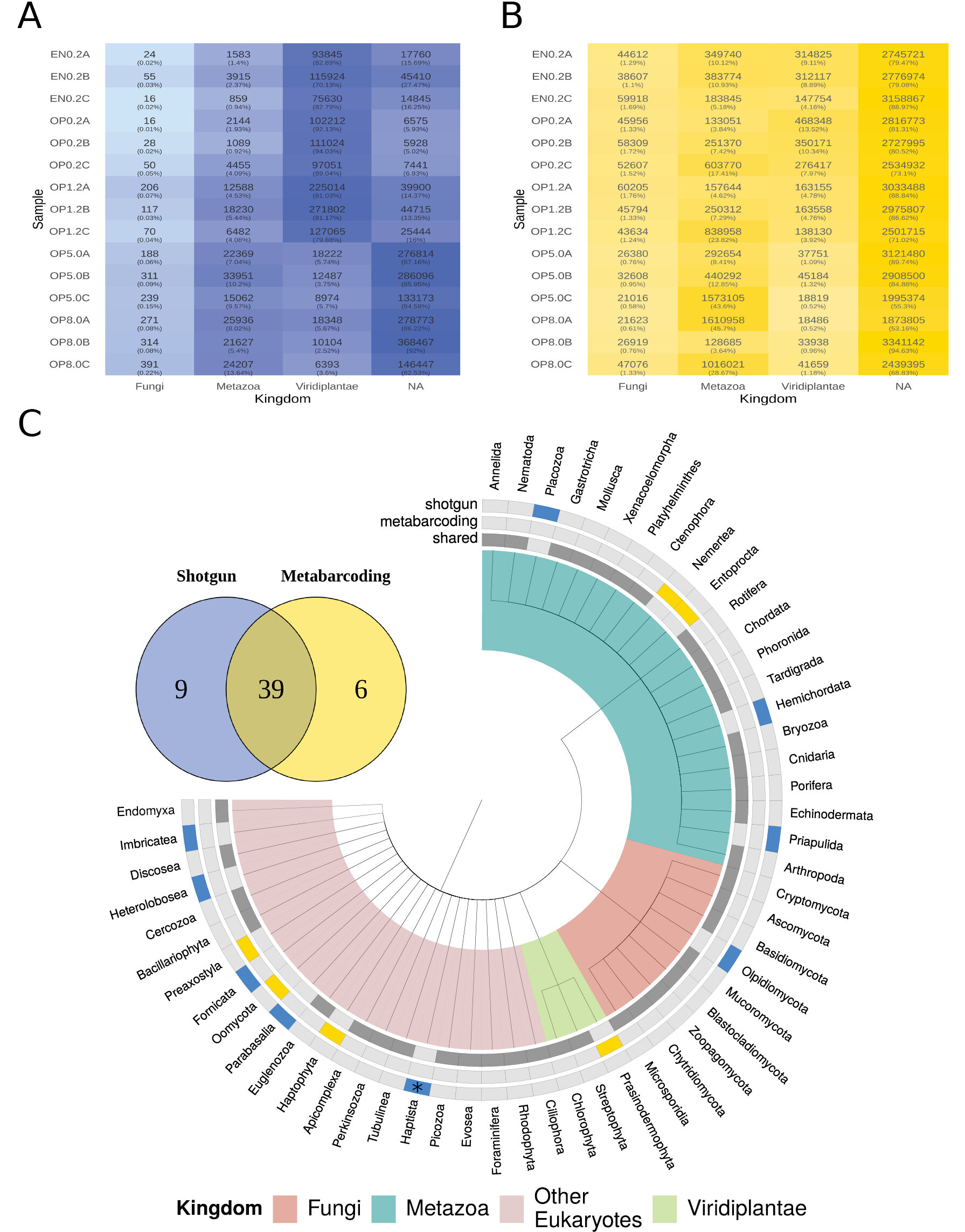
Marine environmental DNA (eDNA) sampling has taken a significant leap forward thanks to a straightforward yet impactful methodological refinement. Researchers at Aarhus University have demonstrated that switching to larger pore size filters—specifically 5.0 µm and 8.0 µm—substantially increases the capture of eukaryotic DNA from seawater samples. This contrasts sharply with traditional smaller filters that predominantly trap bacterial DNA, often overshadowing signals from larger organisms.
This advancement is more than a technical tweak; it directly enhances the effectiveness of PCR-free shotgun sequencing by reducing bacterial DNA interference. The result is a clearer, more comprehensive snapshot of marine animal biodiversity, spanning nearly all animal phyla. For scientists and conservationists tracking marine ecosystem health, this development offers a more reliable and scalable tool to monitor biodiversity, informing better management and protection strategies in the face of accelerating environmental change.
Larger Pore Filters Capture More Animal DNA
In a pivotal advancement for marine environmental DNA (eDNA) sampling, researchers at Aarhus University have demonstrated that filters with larger pore sizes—specifically 5.0 µm and 8.0 µm—capture a significantly higher quantity of eukaryotic DNA from seawater than traditional smaller pore filters. Historically, smaller filters tended to trap predominantly bacterial DNA, which complicated efforts to analyze animal biodiversity due to the overwhelming presence of microbial genetic material.
This methodological shift was first reported in a 2026 study, where the team applied these larger pore filters to seawater samples and subsequently conducted PCR-free shotgun sequencing. By reducing bacterial DNA interference, the approach allowed for a clearer and more comprehensive detection of animal DNA, spanning nearly all recognized animal phyla. This improvement is particularly impactful for marine biomonitoring, as it enhances the depth and accuracy of biodiversity assessments without the biases introduced by targeted PCR amplification.
The simplicity of this filter swap belies its significance: a straightforward adjustment in sample processing that yields richer, more informative genetic data. However, the researchers acknowledge ongoing challenges. Current genomic reference databases remain incomplete, which limits the ability to assign detected DNA sequences to specific taxa with high confidence. Additionally, contamination risks inherent in environmental sampling persist, necessitating rigorous protocols to maintain data integrity.
Despite these limitations, the adoption of larger pore size filters represents a critical step forward. As genomic databases continue to expand and refine, this technique is poised to substantially improve the resolution and reliability of marine eDNA monitoring. Ultimately, it offers promising avenues for conservation science, enabling more precise tracking of marine animal biodiversity and informing efforts to protect vulnerable ecosystems.
Challenges in Marine eDNA Monitoring
Environmental DNA (eDNA) monitoring in marine ecosystems faces several inherent challenges that complicate accurate biodiversity assessment. Traditional sampling methods often rely on filters with small pore sizes designed to capture microbial DNA, but these tend to accumulate overwhelmingly bacterial sequences, overshadowing the genetic signals from larger eukaryotic organisms such as fish and invertebrates. This imbalance limits the effectiveness of downstream analyses, particularly when employing PCR-free shotgun sequencing techniques that require a clearer representation of target animal DNA.
Another significant hurdle is the incompleteness of reference DNA databases. Many marine species remain poorly represented or entirely absent from genomic repositories, which restricts the ability to confidently assign taxonomic identities to detected DNA fragments. Without comprehensive databases, even high-quality sequence data can yield ambiguous or partial biodiversity profiles, impeding conservation efforts that depend on precise species-level information.
Additionally, contamination risks persist during sample collection and processing. Marine eDNA samples are susceptible to cross-contamination from environmental sources and laboratory procedures, which can introduce false positives or obscure true biodiversity signals. These factors collectively underscore the need for methodological improvements that not only enhance the capture of relevant eukaryotic DNA but also mitigate contamination and improve taxonomic resolution.
Understanding these challenges is critical for appreciating recent advances, such as the adoption of larger pore size filters, which aim to address some of these limitations by selectively enriching animal DNA and reducing bacterial background. This context sets the stage for evaluating how such innovations can refine marine biomonitoring and support more effective conservation strategies.
Advancing Marine Conservation through Improved Techniques
The adoption of larger pore size filters in marine environmental DNA (eDNA) sampling represents a practical and impactful advancement for conservation science and related industries. By enabling more efficient capture of eukaryotic DNA—particularly from a broad spectrum of animal taxa—this methodological improvement directly enhances the accuracy and resolution of marine biodiversity assessments. For researchers and environmental monitoring agencies, this means more reliable data to inform ecosystem health evaluations, species distribution mapping, and early detection of invasive or endangered species.
On a policy level, improved eDNA detection capabilities can support more informed decision-making around marine protected areas, fisheries management, and biodiversity conservation strategies. The ability to monitor animal communities with higher fidelity reduces reliance on labor-intensive or invasive survey methods, potentially lowering costs and minimizing disturbance to sensitive habitats. Additionally, as genomic reference databases grow, the integration of this filtering approach will further refine taxonomic identification, enabling stakeholders to track ecosystem changes with greater confidence and responsiveness.
However, the method’s full potential hinges on addressing current limitations, including contamination risks and gaps in DNA reference libraries. Industry and regulatory bodies must prioritize standardized protocols and quality controls to mitigate these challenges. Overall, this seemingly simple filter adjustment holds significant promise for transforming marine biomonitoring practices, fostering more effective conservation outcomes, and supporting sustainable management of ocean resources amid accelerating environmental pressures.
Future Directions in eDNA Research and Application
Looking ahead, the trajectory of marine environmental DNA (eDNA) research will hinge on several key developments that promise to refine and expand the utility of this emerging tool for biodiversity assessment. First, ongoing efforts to broaden and deepen genomic reference databases are critical; as these repositories grow, the ability to accurately assign eDNA sequences to specific taxa will improve substantially, reducing current gaps in taxonomic resolution. This progress will enable more precise monitoring of marine ecosystems, from common species to elusive or cryptic organisms.
Simultaneously, methodological enhancements building on the demonstrated advantage of larger pore size filters will likely be integrated with complementary technologies, such as automated sampling platforms and advanced bioinformatics pipelines. These integrations aim to streamline data collection and analysis, minimizing contamination risks and maximizing detection sensitivity across diverse marine habitats.
Another important signal to watch is the validation of these improved eDNA protocols in varied and challenging environmental contexts, including deep-sea and highly dynamic coastal systems where traditional survey methods are limited. Successful application in these settings will underscore the robustness and scalability of the approach.
Finally, interdisciplinary collaborations involving ecologists, molecular biologists, and data scientists will be essential to translate enhanced eDNA data into actionable conservation strategies. As the field matures, the focus will increasingly shift from methodological optimization to real-world applications, such as tracking species distributions under climate change pressures and informing marine protected area design.
In sum, the next milestones in marine eDNA research will emerge from a synergistic combination of expanded genomic resources, refined sampling techniques like larger pore filtration, rigorous field validation, and integrative analytical frameworks. These advances will collectively elevate the role of eDNA as a cornerstone technology in marine conservation science.
Common Questions about the New Filtering Method
Larger pore size filters, such as those with 5.0 µm and 8.0 µm pores, allow eukaryotic cells and larger DNA-containing particles to pass through and be retained more effectively. Smaller filters tend to trap mostly bacterial cells and their DNA due to their smaller size, which can overshadow the presence of animal DNA. By using larger pores, the method enriches the sample for eukaryotic DNA, improving detection of diverse marine animal species.
How does reducing bacterial DNA improve PCR-free shotgun sequencing?
Reducing bacterial DNA in environmental samples decreases the overwhelming background noise that can interfere with sequencing efforts. PCR-free shotgun sequencing benefits from this because it sequences all DNA present without amplification bias. With less bacterial DNA, the sequencing depth can focus more on eukaryotic DNA, enhancing the accuracy and resolution of biodiversity assessments in marine environments.
What are the current limitations of marine eDNA sampling techniques?
Despite methodological advances, marine eDNA sampling still faces challenges such as incomplete reference DNA databases, which limit species-level identification. Additionally, contamination risks during sampling and processing can introduce false positives or obscure true biodiversity signals. Variability in environmental conditions and DNA degradation rates also complicate consistent detection across different marine habitats.
How might expanding genomic databases enhance marine biomonitoring?
Expanding genomic reference databases will allow for more precise taxonomic assignment of eDNA sequences, enabling researchers to identify a broader range of species with greater confidence. This improvement will refine biodiversity assessments, track elusive or rare species more effectively, and support conservation efforts by providing detailed insights into marine ecosystem health and changes over time.

Global Digests News delivers timely, credible coverage of world affairs, politics, economy, and technology to keep you informed on today’s top stories.

Bohmian Mechanics: Revisiting Quantum Determinism After New Tests
Bohmian mechanics, once sidelined, returned to focus after a 2025 photon tunneling experiment tested its deterministic claims. The results…

Dark Matter Detection: Innovations Inspired by Henry Cavendish's Experiment
A modern take on Henry Cavendish’s 18th-century torsion balance proposes nested metal shells and ultra-sensitive voltage measurements to de…
Greenland’s Ice Melt Surges Since 1990
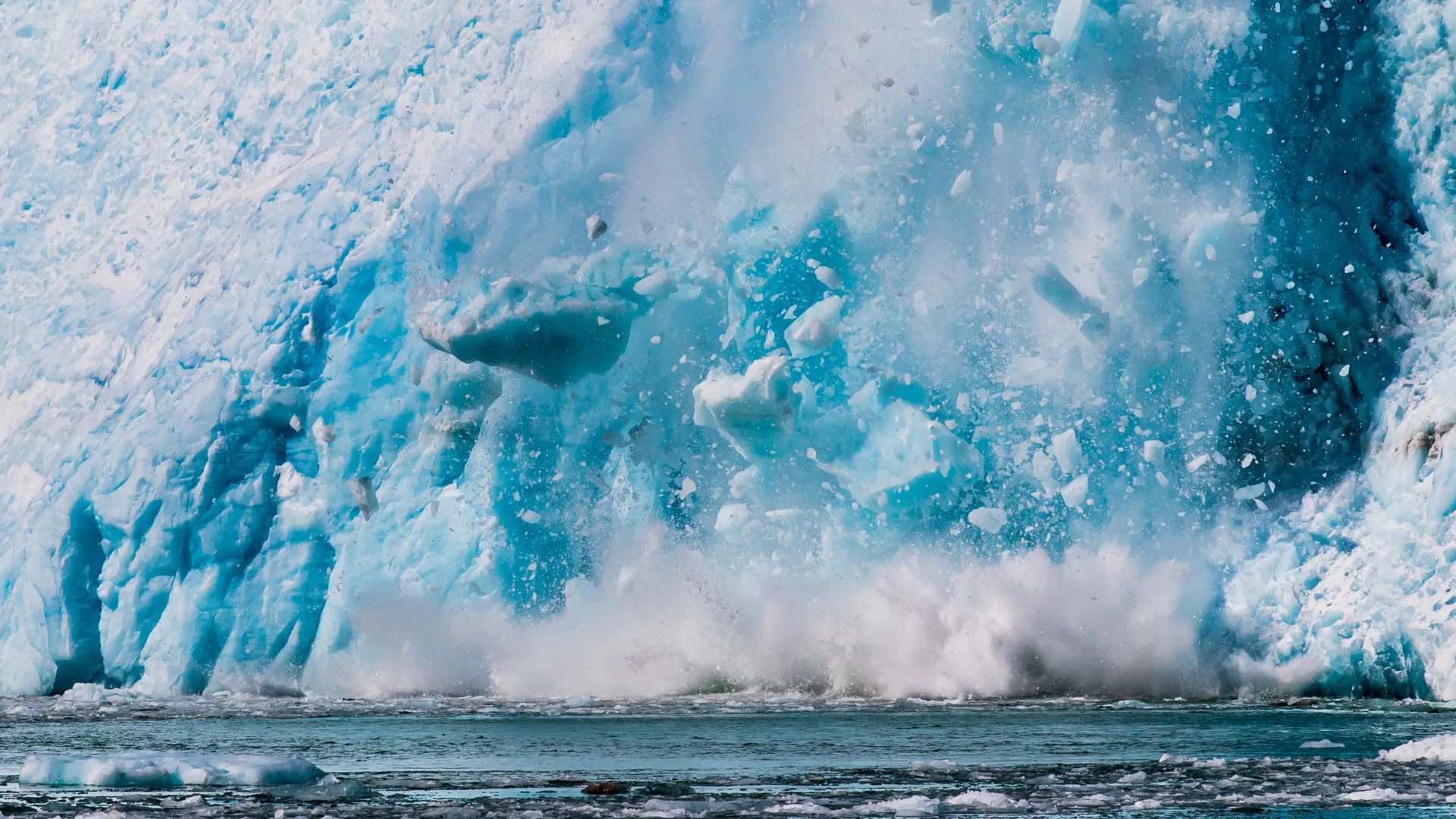
Greenland’s ice melt has accelerated sixfold since 1990, driven mainly by rising temperatures rather than atmospheric shifts. Extreme melt…

Health Insurance Marketplaces Leak Sensitive Data to Ad Tech Giants
Nearly all U.S. state health insurance marketplaces have exposed sensitive applicant data—including citizenship and race—to major ad tech f…

Instagram’s Voluntary AI Creator Label: A Tentative Step Toward Transparency
Instagram has launched an optional “AI creator” label for posts generated or altered by AI. Without automated detection, the system relies…

Uber’s Ambitious Expansion and Innovation
Uber CEO Dara Khosrowshahi lays out a vision to transform Uber into a travel and service platform. By integrating Expedia hotel bookings an…
Claude Code Cost Control: Context Architecture Over Prompt Optimization
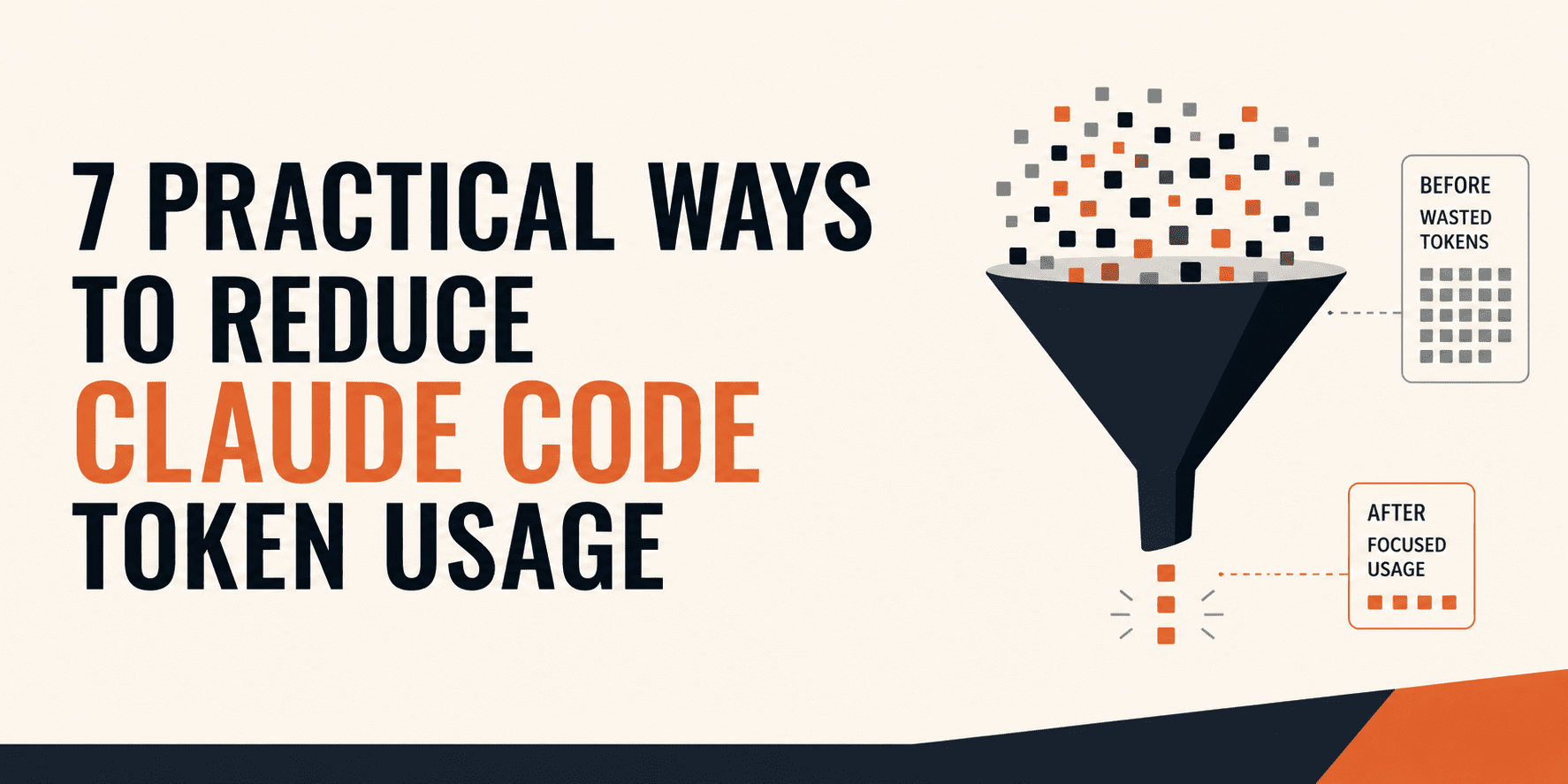
Claude Code’s costs stem less from prompt length and more from accumulated context—files, memory, and tool outputs that build up each sessi…

Leonardo da Vinci’s DNA May Finally Be Decoded
Researchers have mapped a 21-generation paternal lineage from 1331 to today, identifying 15 living male descendants of Leonardo da Vinci. G…