Overview of Musk's Legal Challenge Against OpenAI
Elon Musk’s recent legal challenge against OpenAI has thrust the tech world into a high-stakes dispute over the future direction and governance of artificial intelligence. Musk accuses OpenAI of abandoning its original nonprofit mission by pursuing commercial interests that, in his view, undermine transparency and ethical development. This lawsuit, filed amid growing concerns about AI’s societal impact, demands close attention not only for its immediate implications but also for how it might shape regulatory frameworks going forward.
However, the case is complicated by Musk’s own conduct, including a documented threatening message to OpenAI’s president and inconsistencies in his court testimony. These factors risk overshadowing the substantive claims and could critically influence the court’s assessment of credibility. As the proceedings unfold, the judiciary’s handling of Musk’s behavior—especially the admissibility of his threatening communications—will be a key determinant in the outcome. This legal battle thus serves as a pivotal moment, highlighting the intricate interplay between personal dynamics, corporate accountability, and the broader governance challenges facing the AI industry today.
Recent Court Proceedings and Musk’s Controversial Actions
In the latest developments of Elon Musk’s legal dispute with OpenAI, court proceedings have brought to light several contentious actions by Musk that could influence the case’s trajectory. Central to the current phase is Musk’s communication with OpenAI’s president, which included a message widely characterized as threatening. This message, sent in early April 2026, has become a focal point during hearings, with OpenAI’s legal team arguing it demonstrates Musk’s personal animosity rather than a purely legal grievance.
Further complicating Musk’s position are inconsistencies noted in his court testimony. During depositions in late April, Musk provided conflicting accounts regarding his intentions and the timeline of events leading to the litigation. These discrepancies have raised questions about the reliability of his claims that OpenAI deviated from its nonprofit mission—a core accusation underpinning the lawsuit.
The presiding judge is currently evaluating the admissibility of Musk’s threatening message as evidence. Legal experts note that precedent in similar cases often permits such communications to be introduced to establish motive or intent, potentially impacting the court’s view of Musk’s credibility. The outcome of this evidentiary decision is expected to be pivotal, influencing not only the strength of Musk’s case but also the broader narrative surrounding the dispute.
OpenAI has publicly framed Musk’s conduct as indicative of a personal vendetta, suggesting that his actions may be motivated more by rivalry and frustration than by substantive legal concerns. This characterization, if upheld by the court, could undermine Musk’s position and shift public perception of the lawsuit’s legitimacy.
These recent court proceedings underscore the complex interplay between legal strategy and personal conduct in high-profile technology disputes. As the case advances, the judicial handling of Musk’s controversial actions will be critical in shaping both the immediate legal outcome and the ongoing discourse on governance and accountability in the AI sector.
Background on OpenAI’s Mission and Musk’s Involvement
OpenAI was founded with a clear mission: to ensure that artificial general intelligence (AGI) benefits all of humanity. Established as a nonprofit organization, its early vision emphasized transparency, broad collaboration, and the responsible development of AI technologies. Elon Musk was among the initial supporters and donors, sharing concerns about AI safety and the need for cautious advancement.
However, over time, OpenAI’s structure evolved, transitioning from a purely nonprofit entity to a capped-profit model designed to attract necessary capital while maintaining its foundational ethical commitments. This shift is central to the current legal dispute, as Musk alleges that OpenAI has deviated from its original nonprofit mandate, raising questions about governance, accountability, and the commercialization of AI research.
Understanding Musk’s early involvement and OpenAI’s mission evolution is crucial for contextualizing the ongoing litigation. It frames the stakes not only for the parties involved but also for broader debates around AI governance, the balance between innovation and oversight, and how emerging technologies should be stewarded in the public interest.
Potential Consequences for OpenAI and the AI Sector
The ongoing legal confrontation between Elon Musk and OpenAI carries significant implications not only for the parties involved but also for the broader AI ecosystem. Should Musk’s claims that OpenAI deviated from its founding nonprofit principles gain traction, it could prompt increased scrutiny of governance models within AI organizations, potentially encouraging regulators and investors to demand greater transparency and accountability in the sector.
However, Musk’s own conduct during the proceedings—including the emergence of threatening communications and contradictory testimonies—risks undermining his credibility and weakening his legal standing. This dynamic may influence the court’s willingness to entertain his allegations fully, thereby affecting the case’s outcome and setting a precedent for how personal behavior intersects with legal challenges in high-profile tech disputes.
For OpenAI, a favorable ruling could reinforce its operational latitude and validate its current hybrid mission structure, which balances commercial viability with research openness. Conversely, an adverse decision might compel the organization to revisit its governance framework and public commitments, potentially slowing down innovation or altering strategic priorities.
From an industry perspective, this litigation spotlights the complex tensions between pioneering AI development, ethical stewardship, and competitive interests. Market participants and policymakers will be closely monitoring the case as it may influence future regulatory approaches and industry standards, particularly concerning nonprofit versus for-profit AI research entities.
Ultimately, the resolution of this dispute will resonate beyond the courtroom, shaping perceptions of accountability and trustworthiness in AI leadership. Stakeholders across technology, investment, and governance spheres should prepare for potential shifts in how AI ventures are structured and overseen, as well as how legal frameworks adapt to emerging challenges in this rapidly evolving field.
Upcoming Legal Milestones and Industry Watchpoints
As the legal proceedings between Elon Musk and OpenAI continue to unfold, several key milestones and signals warrant close attention. First and foremost is the court’s forthcoming decision on the admissibility of Musk’s threatening communications to OpenAI’s leadership. Given established legal precedents that allow such evidence when it bears on motive or credibility, this ruling could decisively influence the trial’s trajectory by framing Musk’s intentions and reliability in a legal context.
Additionally, upcoming hearings are expected to delve deeper into Musk’s inconsistent testimonies, which may affect his credibility and the overall strength of his claims against OpenAI. Observers should monitor how the court weighs these inconsistencies against the substantive allegations of mission drift within OpenAI’s operational model.
Beyond the courtroom, industry stakeholders and regulatory bodies will be watching the case’s broader implications for AI governance. Should the litigation result in tighter scrutiny of nonprofit AI entities or set new standards for founder accountability, it could reshape investment strategies and policy frameworks across the sector.
Finally, open questions remain regarding potential settlements or mediation efforts, which could emerge as pragmatic alternatives to protracted litigation. The resolution path chosen will signal not only the future of this high-profile dispute but also the evolving dynamics between AI innovators and governance mechanisms.
For readers tracking this complex case, staying informed about these legal milestones and their ripple effects will be critical to understanding how this dispute may influence the trajectory of AI development and oversight in the years ahead.
Frequently Asked Questions About the Musk vs. OpenAI Case
Elon Musk alleges that OpenAI deviated from its original nonprofit mission by pursuing commercial interests and partnerships that conflict with its founding principles. He contends this shift undermines the organization's commitment to responsible AI development and transparency.
How might Musk's personal behavior impact the legal proceedings?
Musk’s conduct, including sending a threatening message to OpenAI’s president and providing inconsistent testimony, could damage his credibility in court. Such behavior risks the judge viewing his claims as driven by personal animosity rather than objective legal concerns, potentially weakening his case.
What precedent exists regarding the admissibility of threatening messages in court?
Courts have previously allowed threatening communications as evidence when they demonstrate intent or state of mind relevant to a case. The current trial is closely watching whether Musk’s messages will be admitted, as this could significantly influence the court’s assessment of his motives and credibility.
What are the potential outcomes of this litigation for OpenAI and Musk?
If Musk succeeds, OpenAI could face mandates to alter its governance or financial structure, potentially affecting its operational model. Conversely, a ruling favoring OpenAI might reinforce its current path and set a precedent limiting founder influence in AI governance disputes. Both outcomes will have far-reaching implications for leadership and accountability in the AI sector.

Global Digests News delivers timely, credible coverage of world affairs, politics, economy, and technology to keep you informed on today’s top stories.

GitHub Tightens Bug Bounty Rules to Cut Low-Value Reports
GitHub is raising standards for its bug bounty program to weed out AI-generated, low-impact reports. Now, submissions must prove reproducib…
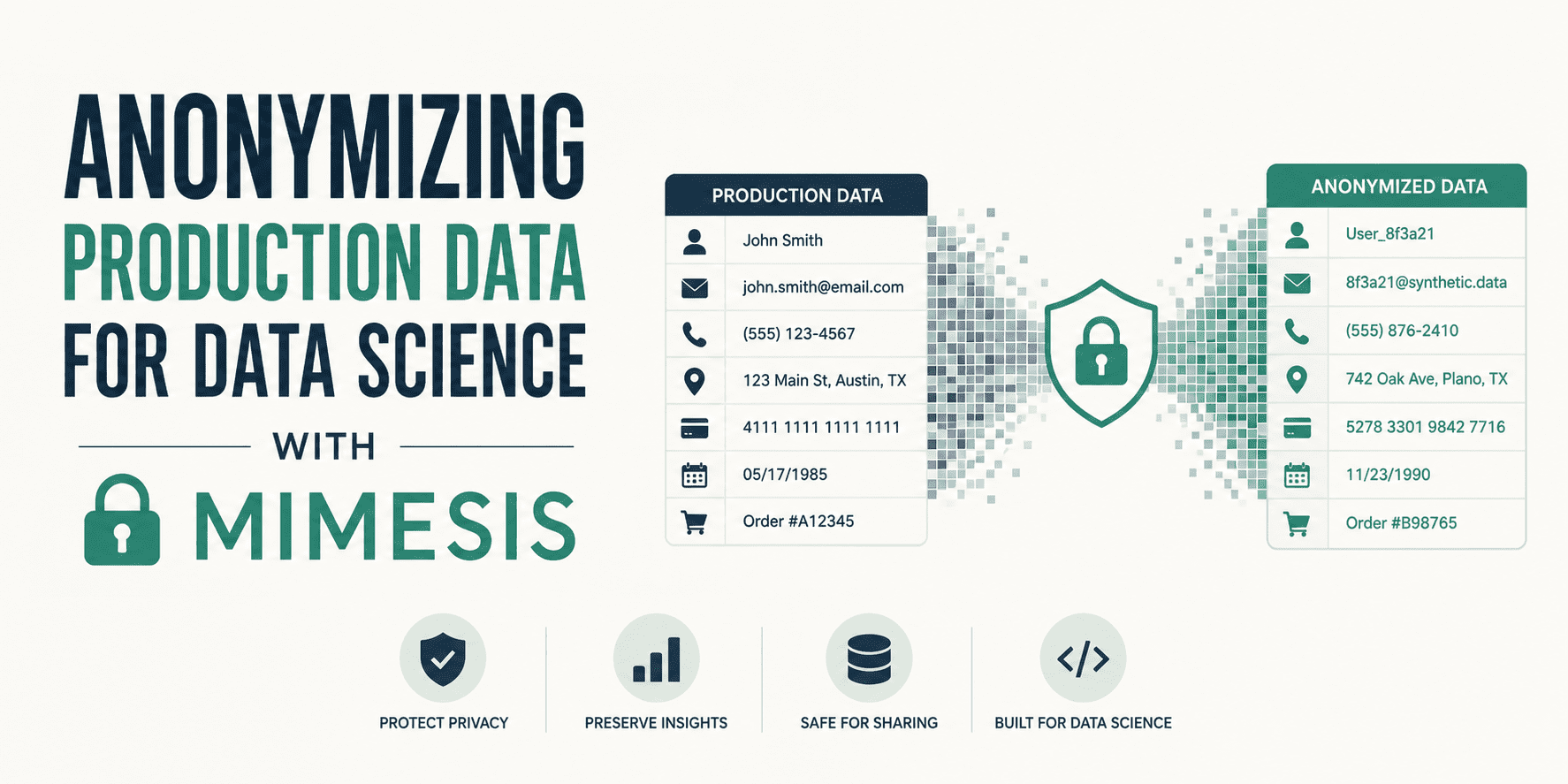
Data Anonymization with Mimesis: Key Insights
Mimesis is an open-source Python library that generates realistic synthetic data locally, enabling effective anonymization of sensitive pro…

Louisiana’s Vanishing Coastline: Early Signals of Climate-Driven Change
Louisiana’s coastline is disappearing rapidly due to rising seas and stronger storms, triggering population shifts and economic upheaval. A…

Metalenz Unveils Polar ID: Rethinking Face Authentication with Invisible Sensors
Metalenz’s Polar ID uses optical metasurfaces to analyze polarized light from skin, beating spoofing attempts better than Face ID. Hidden b…

DHS Attempts to Access Data on Canadian Critic of U.S. Immigration
The Department of Homeland Security used a customs summons to demand Google hand over location and activity data on a Canadian man critical…

Bohmian Mechanics: Revisiting Quantum Determinism After New Tests
Bohmian mechanics, once sidelined, returned to focus after a 2025 photon tunneling experiment tested its deterministic claims. The results…

Dark Matter Detection: Innovations Inspired by Henry Cavendish's Experiment
A modern take on Henry Cavendish’s 18th-century torsion balance proposes nested metal shells and ultra-sensitive voltage measurements to de…

Greenland’s Ice Melt Surges Since 1990
Greenland’s ice melt has accelerated sixfold since 1990, driven mainly by rising temperatures rather than atmospheric shifts. Extreme melt…