Diamond Quantum Magnetometer’s Space Endurance
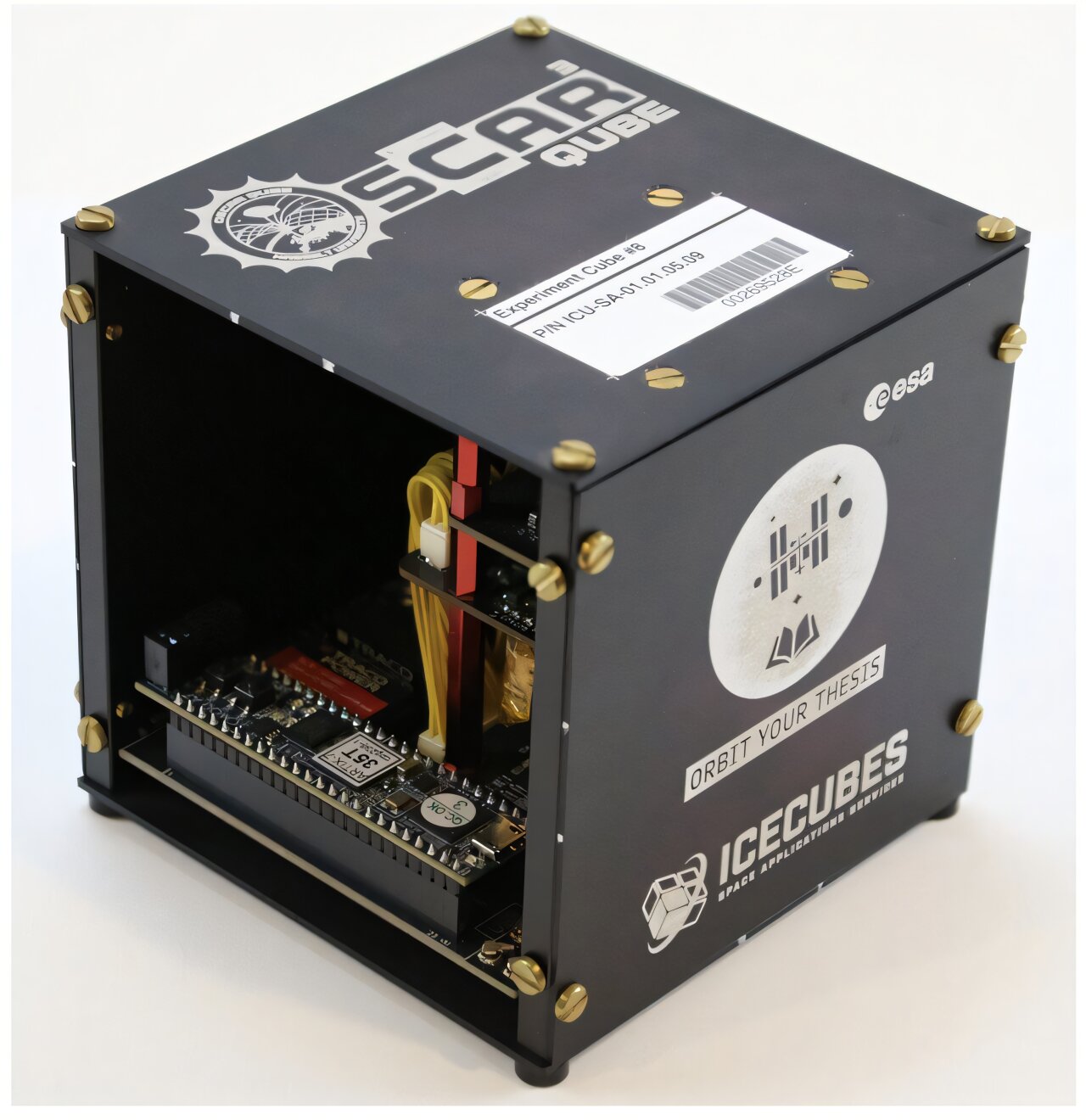
The OSCAR-QUBE quantum magnetometer just cleared a crucial hurdle: it operated flawlessly for 10 months aboard the International Space Station. This isn’t just a routine test flight; it’s the first real-world proof that diamond nitrogen-vacancy center technology can endure the harshness of space and still deliver precise magnetic measurements. At a featherweight 420 grams and sipping only 5 watts of power, OSCAR-QUBE’s design challenges the bulky, power-hungry sensors that have long dominated geomagnetic mapping.
Why does this matter now? Because the success aboard the ISS opens the door for deploying these compact, efficient sensors on swarms of small satellites. Imagine a network of tiny spacecraft, each equipped with OSCAR-QUBE-like magnetometers, collectively painting a far more detailed and dynamic picture of Earth’s magnetic environment. This could revolutionize everything from navigation accuracy to space weather predictions, all while reducing launch costs and complexity. The diamond quantum sensor’s space endurance isn’t just a technical milestone—it’s a signal that next-generation geomagnetic sensing is ready to leap off the lab bench and into orbit.
OSCAR-QUBE’s Performance on the ISS
The OSCAR-QUBE quantum magnetometer reached a milestone after operating continuously for 10 months aboard the International Space Station. This period of sustained function demonstrated that diamond nitrogen-vacancy center technology isn’t just a laboratory curiosity—it can endure the rigors of space. Developed at Hasselt University, the device’s lightweight design, tipping the scales at just 420 grams, and its modest 5-watt power draw made it an ideal candidate for space deployment where every gram and watt counts.
Launched and installed on the ISS, OSCAR-QUBE began transmitting data early in its mission, validating its ability to detect geomagnetic signals with high sensitivity. The sensor’s performance remained stable throughout, unaffected by the harsh radiation environment and microgravity conditions that typically challenge electronic instruments. This durability confirms that diamond-based quantum sensors can be reliable tools for long-term space missions.
The success of OSCAR-QUBE opens doors for integrating similar sensors into small satellite platforms. Its compact size and low energy consumption are particularly advantageous for next-generation satellite constellations aiming to deliver unprecedented geomagnetic mapping resolution. Such capabilities could transform applications ranging from precise navigation to improved space weather forecasting. The ISS deployment thus stands as a practical proof point, moving diamond quantum magnetometry from experimental setups toward operational spaceborne instruments.
Potential Impact on Earth Magnetic Field Mapping
OSCAR-QUBE’s sustained operation aboard the ISS signals a shift in how we might monitor Earth’s magnetic environment. Traditional geomagnetic mapping relies on bulky, power-hungry instruments, limiting deployment to a handful of large satellites. OSCAR-QUBE’s compact size and low energy use open the door for widespread deployment on small satellites, launched in greater numbers and positioned flexibly around the globe.
Industries relying on precise geomagnetic data—aviation, maritime navigation, resource exploration—stand to gain from more detailed, timely information. Enhanced magnetic field resolution could improve navigation accuracy, reduce dependence on GPS in challenging environments, and help detect underground mineral deposits or fault lines. On the policy front, better space weather forecasting could provide earlier warnings to protect critical infrastructure from solar storms.
As space grows more congested and Earth’s technological systems become increasingly sensitive, networks of reliable, high-resolution geomagnetic sensors may become indispensable. OSCAR-QUBE’s success suggests that diamond nitrogen-vacancy center technology could soon become the standard for small satellite constellations, reshaping how we observe and respond to our planet’s magnetic shield in real time.
What This Means for Future Space Technologies
OSCAR-QUBE’s flawless 10-month run aboard the ISS isn’t just a technical achievement—it’s a practical green light for next-generation space instruments. Its lightweight design and minimal power needs suit the growing trend toward small satellites, prized for cost-effectiveness and deployment flexibility. Future constellations carrying diamond quantum magnetometers could deliver magnetic field maps with unprecedented detail.
Why does this matter? Better geomagnetic data enhances navigation, improves space weather predictions, and aids underground resource detection. OSCAR-QUBE’s endurance in space confirms that diamond nitrogen-vacancy center technology can handle real-world conditions without bulky shielding or excessive energy demands. For mission planners and developers, this means more compact, efficient sensor packages without sacrificing precision.
This breakthrough signals a shift in orbiting magnetic sensing. Instead of heavy, power-hungry instruments, agencies and companies can now consider diamond-based sensors for a wider array of missions. Quantum sensing is moving beyond the lab, becoming a dependable tool for space exploration and Earth observation.

Global Digests News delivers timely, credible coverage of world affairs, politics, economy, and technology to keep you informed on today’s top stories.
Bohmian Mechanics: Revisiting Quantum Determinism After New Tests
Bohmian mechanics, once sidelined, returned to focus after a 2025 photon tunneling experiment tested its deterministic claims. The results…
Dark Matter Detection: Innovations Inspired by Henry Cavendish's Experiment
A modern take on Henry Cavendish’s 18th-century torsion balance proposes nested metal shells and ultra-sensitive voltage measurements to de…
Greenland’s Ice Melt Surges Since 1990
Greenland’s ice melt has accelerated sixfold since 1990, driven mainly by rising temperatures rather than atmospheric shifts. Extreme melt…

Health Insurance Marketplaces Leak Sensitive Data to Ad Tech Giants
Nearly all U.S. state health insurance marketplaces have exposed sensitive applicant data—including citizenship and race—to major ad tech f…
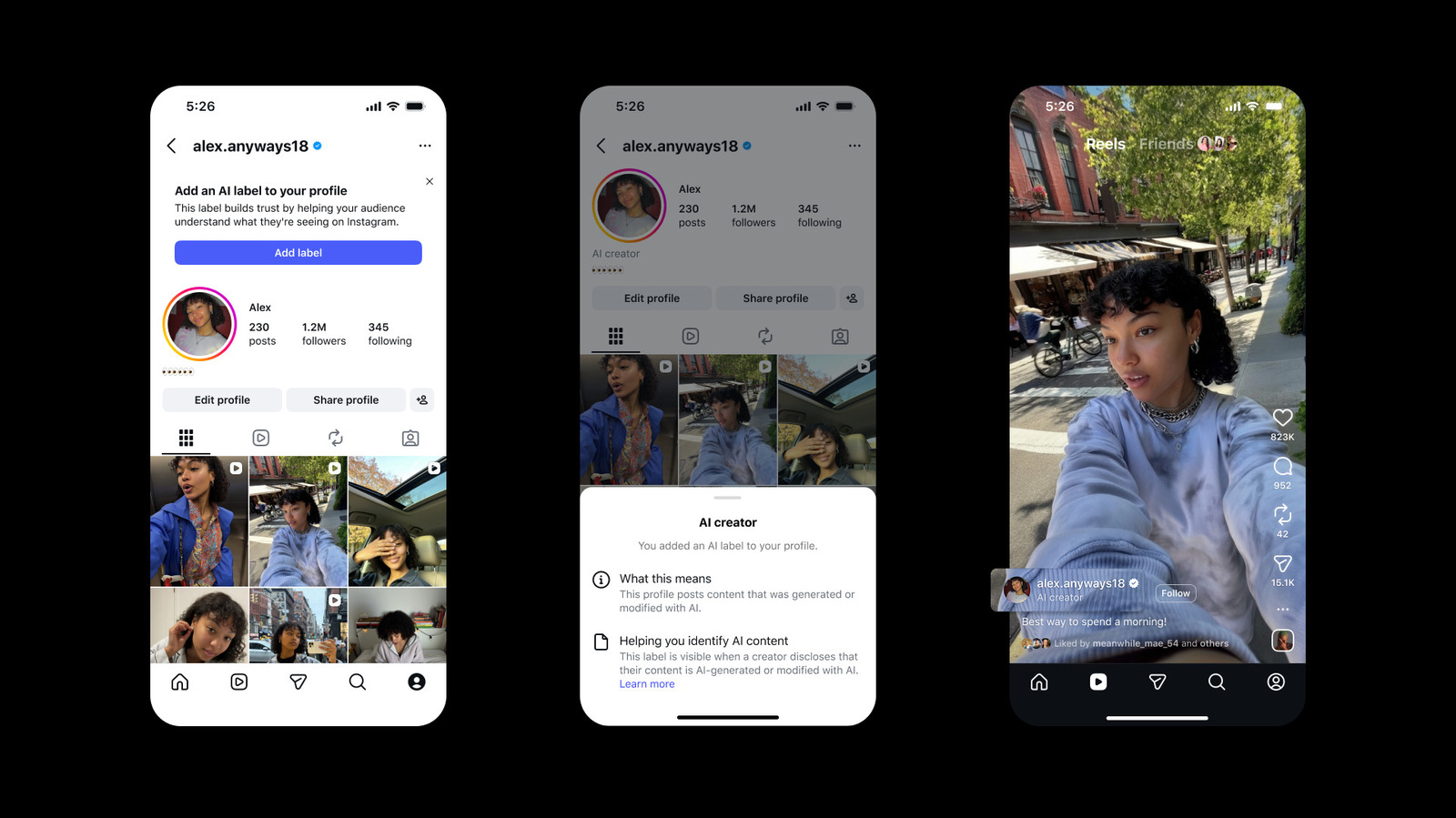
Instagram’s Voluntary AI Creator Label: A Tentative Step Toward Transparency
Instagram has launched an optional “AI creator” label for posts generated or altered by AI. Without automated detection, the system relies…

Uber’s Ambitious Expansion and Innovation
Uber CEO Dara Khosrowshahi lays out a vision to transform Uber into a travel and service platform. By integrating Expedia hotel bookings an…
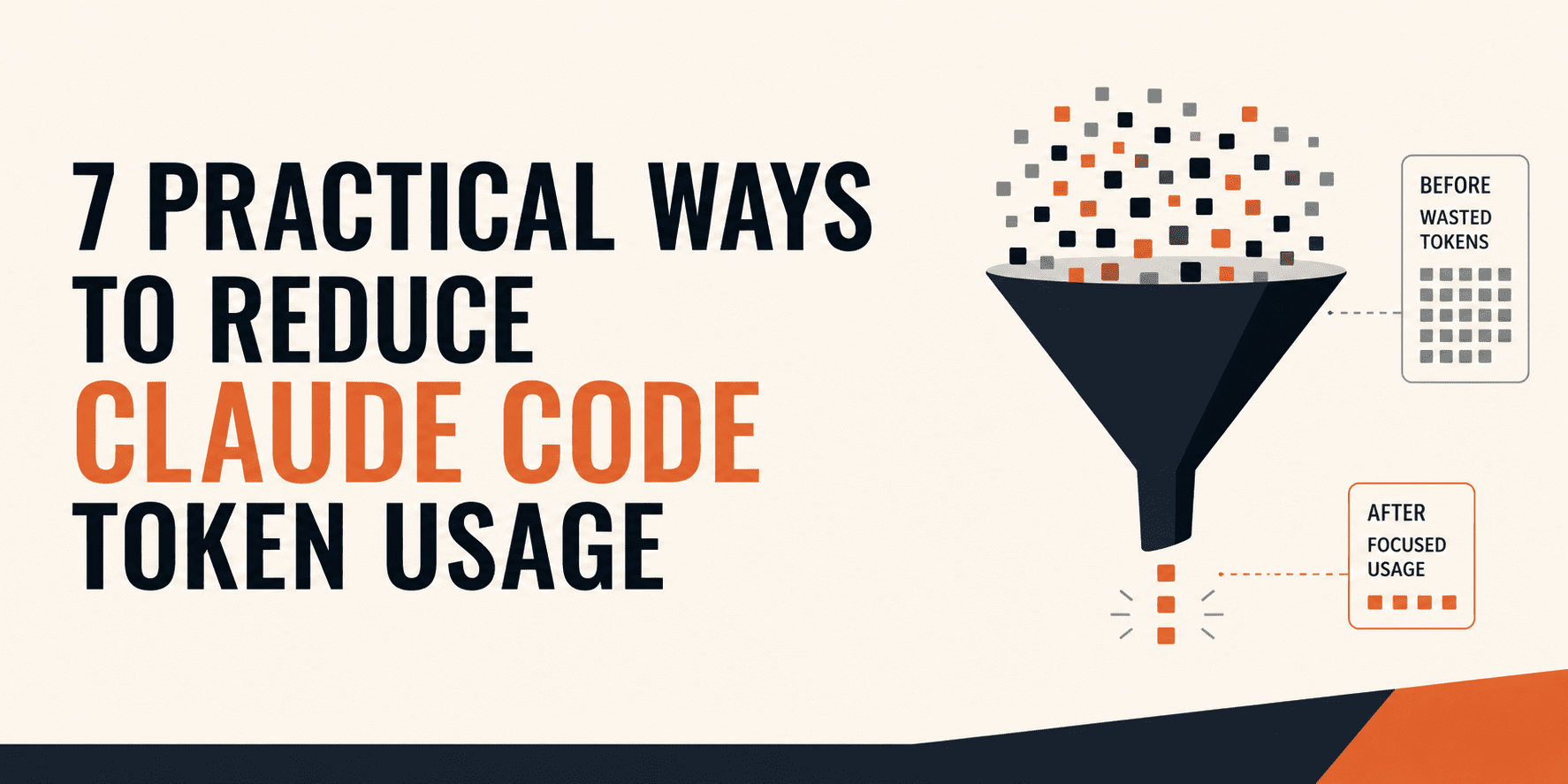
Claude Code Cost Control: Context Architecture Over Prompt Optimization
Claude Code’s costs stem less from prompt length and more from accumulated context—files, memory, and tool outputs that build up each sessi…
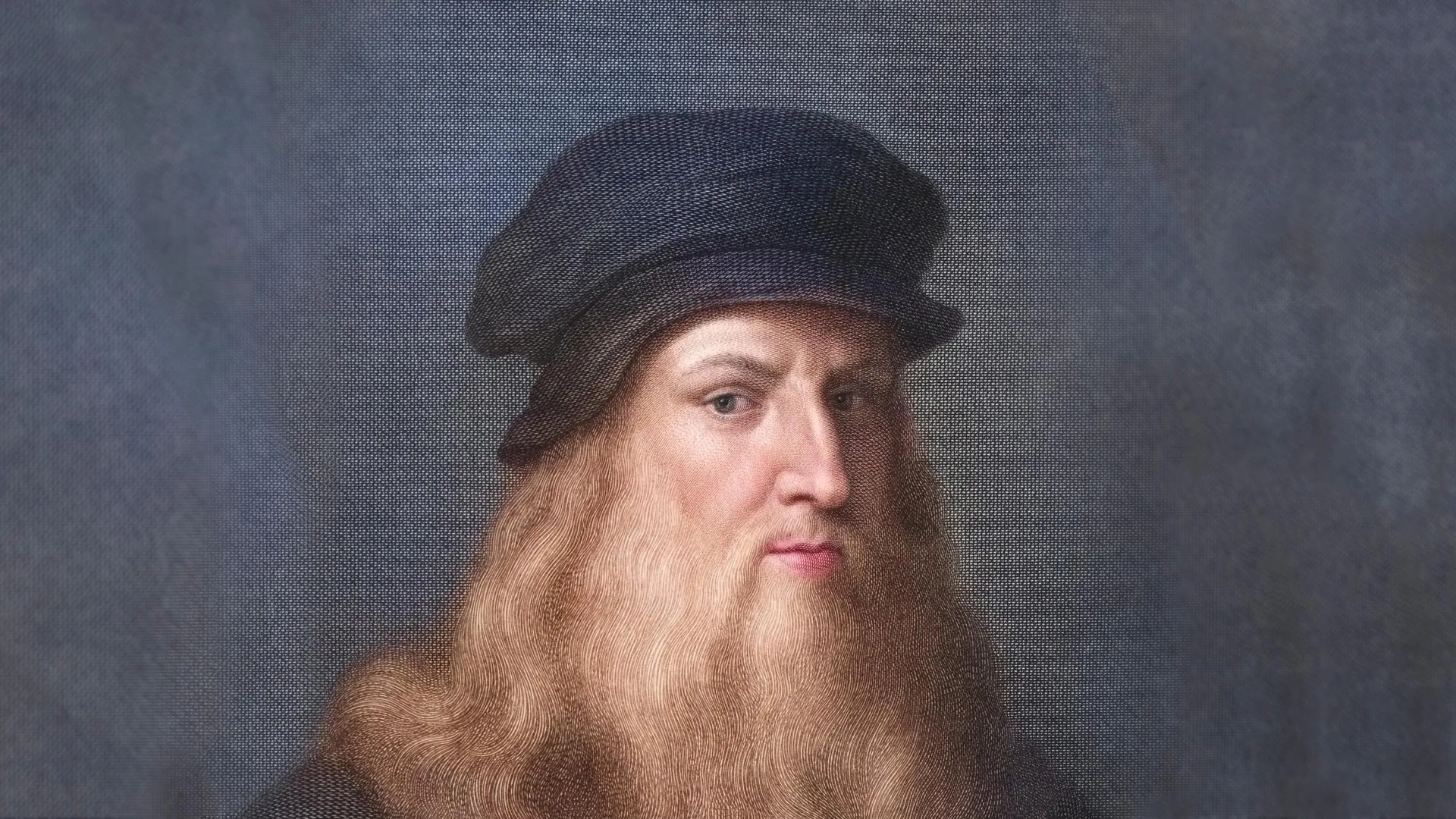
Leonardo da Vinci’s DNA May Finally Be Decoded
Researchers have mapped a 21-generation paternal lineage from 1331 to today, identifying 15 living male descendants of Leonardo da Vinci. G…