Source-backed lead
Key takeaways
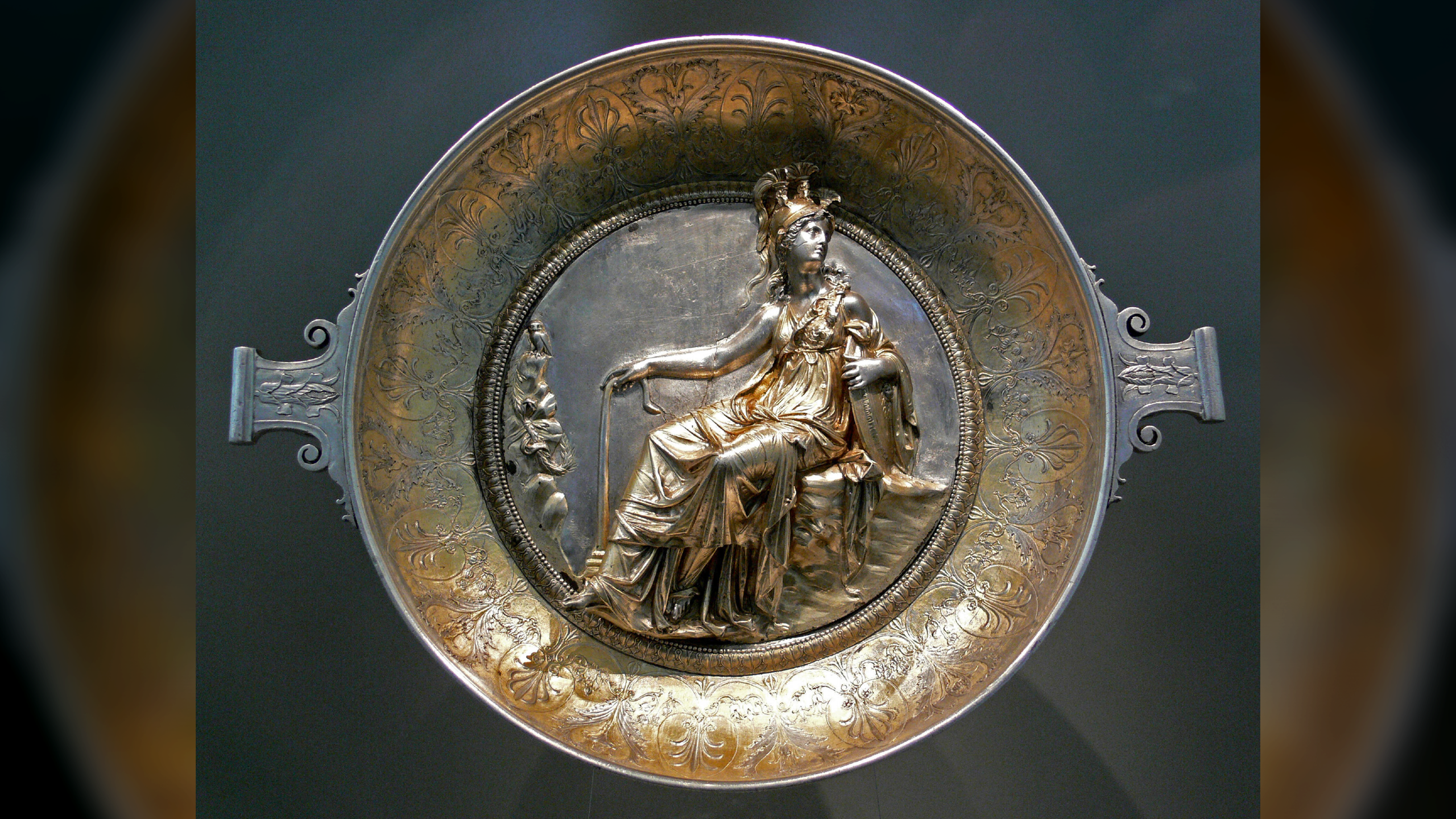
- The Athena bowl dates to the first century A.D. and features a Greek emblem from the second century B.C.
- It was discovered near Hildesheim, Germany, outside the Roman Empire’s borders.
- The vessel likely belonged to a Roman military figure, possibly Publius Quinctilius Varus.
- This find represents the largest hoard of Roman silver found outside the empire.
- The discovery highlights cultural exchanges between Romans and Germanic tribes.
What happened
What the source actually says
Why it matters
Numbers, dates, and hard facts
What to watch next
Researchers and historians will closely monitor further analysis of the Athena bowl and associated artifacts to better understand the extent of Roman-Germanic cultural exchange. Upcoming studies may clarify the bowl’s precise ownership and its journey from the Roman Empire into Germania, shedding light on military and trade dynamics of the period.
Additionally, excavation reports and conservation efforts will provide updates on the condition and context of the hoard, helping to resolve questions about how and why such valuable Roman silver came to be buried far beyond the empire’s borders. These developments will be key to deepening our knowledge of early first-century interactions in this frontier region.
Global Digests News delivers timely, credible coverage of world affairs, politics, economy, and technology to keep you informed on today’s top stories.

GitHub Tightens Bug Bounty Rules to Cut Low-Value Reports
GitHub is raising standards for its bug bounty program to weed out AI-generated, low-impact reports. Now, submissions must prove reproducib…
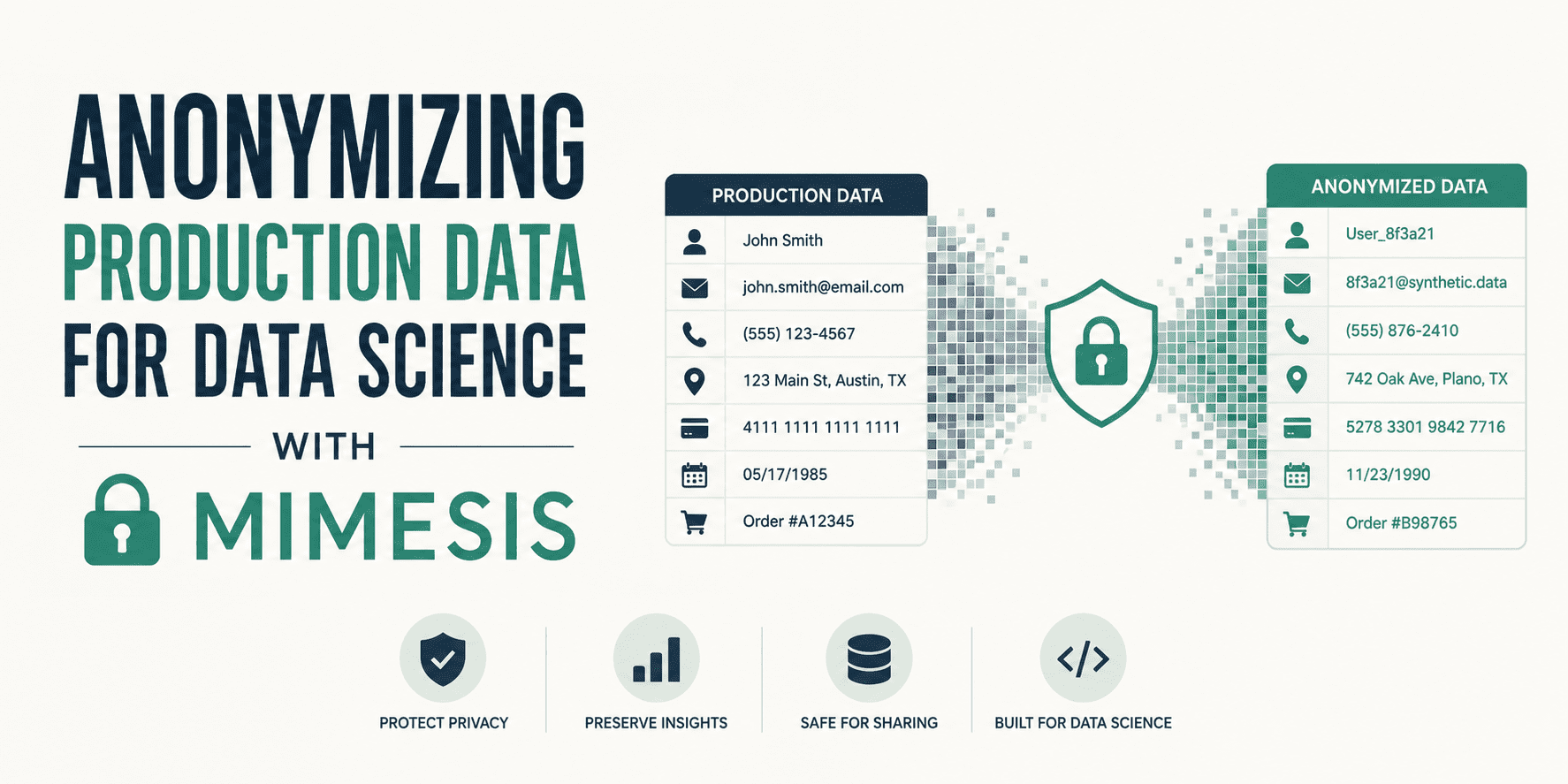
Data Anonymization with Mimesis: Key Insights
Mimesis is an open-source Python library that generates realistic synthetic data locally, enabling effective anonymization of sensitive pro…

Louisiana’s Vanishing Coastline: Early Signals of Climate-Driven Change
Louisiana’s coastline is disappearing rapidly due to rising seas and stronger storms, triggering population shifts and economic upheaval. A…

Metalenz Unveils Polar ID: Rethinking Face Authentication with Invisible Sensors
Metalenz’s Polar ID uses optical metasurfaces to analyze polarized light from skin, beating spoofing attempts better than Face ID. Hidden b…

DHS Attempts to Access Data on Canadian Critic of U.S. Immigration
The Department of Homeland Security used a customs summons to demand Google hand over location and activity data on a Canadian man critical…

Bohmian Mechanics: Revisiting Quantum Determinism After New Tests
Bohmian mechanics, once sidelined, returned to focus after a 2025 photon tunneling experiment tested its deterministic claims. The results…

Dark Matter Detection: Innovations Inspired by Henry Cavendish's Experiment
A modern take on Henry Cavendish’s 18th-century torsion balance proposes nested metal shells and ultra-sensitive voltage measurements to de…

Greenland’s Ice Melt Surges Since 1990
Greenland’s ice melt has accelerated sixfold since 1990, driven mainly by rising temperatures rather than atmospheric shifts. Extreme melt…