Introducing America’s 250th Digital Celebration
As America marks its 250th anniversary, a groundbreaking digital celebration is redefining how the nation’s history is experienced and understood. At the forefront is a collaboration between Google Arts & Culture and the White House, unveiling an immersive online platform that integrates advanced AI technology with rich historical content. This initiative transforms traditional archives into dynamic 3D galleries, AI-enhanced documents, and virtual tours of national parks, offering unprecedented access to pivotal moments and artifacts from the Revolutionary War era.
What sets this digital celebration apart is its ability to deepen public engagement through technology that not only preserves history but also animates it. By leveraging AI to analyze and present key correspondence and rare artifacts, the platform invites users to explore America’s heritage interactively, making the past tangible and relevant. This innovation arrives at a critical moment, inviting educators, historians, and the general public to connect with the nation’s story in ways that are both informative and inspiring.
Innovative Features of the Google Arts & Culture Partnership
Launched in early 2024, the Google Arts & Culture partnership with the White House represents a landmark digital initiative commemorating America’s 250th anniversary. Central to this collaboration is a multifaceted platform that integrates advanced technologies to transform historical engagement.
The platform’s core feature is a series of meticulously crafted 3D galleries that showcase rare Revolutionary War artifacts. These virtual exhibitions allow users to explore items that are typically confined to museum vaults, offering unprecedented access to tangible pieces of American history.
Complementing the galleries, AI-enhanced historical documents form a critical component of the experience. Utilizing machine learning algorithms, the platform digitizes and analyzes key correspondences, including letters from George Washington and other founding figures. This AI-driven approach not only improves the readability of aged texts but also provides contextual annotations, helping users understand the significance of each document within the broader historical narrative.
Another innovative element is the inclusion of virtual national park tours. Leveraging immersive technologies, these tours transport users to iconic American landscapes tied to historical events, enabling a deeper connection to the nation’s heritage through interactive exploration.
Since its rollout, the platform has been continuously updated to expand its content and refine user experience. The integration of AI tools for document interpretation and the development of new virtual environments are ongoing efforts aimed at broadening public engagement and educational use.
The Historical and Technological Background
To fully appreciate the technological innovation behind America’s 250th digital celebration, it is essential to understand the convergence of historical preservation and emerging digital tools that underpin this initiative. The project builds on decades of digitization efforts by cultural institutions, which have progressively transitioned physical archives and artifacts into accessible online formats. What sets this celebration apart is its integration of advanced artificial intelligence and immersive virtual technologies, creating an unprecedented interactive experience.
Historically, access to Revolutionary War artifacts and foundational documents has been limited by geographic and physical constraints, often confined to museum visits or specialized academic study. The collaboration between Google Arts & Culture and the White House leverages AI to not only digitize but also analyze and enhance these materials, enabling users to explore historical contexts, annotations, and connections that were previously difficult to uncover.
Simultaneously, advancements in 3D modeling and virtual reality have matured to a point where virtual national park tours and museum galleries can simulate physical presence with remarkable fidelity. This technological foundation allows the digital celebration to transcend traditional boundaries, offering a democratized and deeply engaging way to experience American history. Understanding this backdrop clarifies how the project represents a significant leap in both public history engagement and the application of AI-driven cultural heritage preservation.
Impact on Public Engagement and Historical Education
Looking Ahead: Future Opportunities and Developments
As America’s 250th digital celebration continues to unfold, several key developments warrant close attention. First, the integration of increasingly sophisticated AI tools promises to deepen the interpretive power of historical archives. Advances in natural language processing and image recognition will enable more nuanced contextualization of documents and artifacts, making them not only accessible but also richly informative for diverse audiences.
Another important signal will be the expansion of virtual and augmented reality experiences tied to national landmarks and historical sites. As hardware becomes more affordable and user-friendly, expect these immersive tours to evolve from curated exhibits into interactive, personalized journeys that adapt to individual learning styles and interests.
Moreover, ongoing collaborations between technology platforms, government institutions, and educational organizations will likely produce new frameworks for digital heritage preservation and public engagement. These partnerships can set standards for authenticity, inclusivity, and accessibility, ensuring that the digital celebration’s impact extends beyond the anniversary year.
Finally, it will be critical to monitor how these digital initiatives influence educational curricula and public discourse. Early indicators suggest that combining AI-enhanced content with virtual experiences fosters deeper historical understanding and critical thinking. Tracking these outcomes through user data and academic research will guide future enhancements and inform best practices for technology-driven historical education.
In sum, the next phase of America’s 250th digital celebration is poised to leverage emerging technologies and strategic partnerships to create dynamic, enduring connections between the public and the nation’s history. Staying attuned to these developments will be essential for anyone invested in the evolving landscape of digital heritage and historical engagement.
Frequently Asked Questions About the Digital Celebration
The platform offers an immersive experience that includes 3D galleries showcasing rare Revolutionary War artifacts, AI-enhanced historical documents, and virtual tours of national parks. These features combine to create a rich, interactive environment that brings America’s history to life through advanced technology.
How does AI enhance the historical documents featured in the celebration?
AI technologies are used to analyze, restore, and annotate historical documents, making them more accessible and understandable to a broad audience. This includes improving legibility, providing contextual insights, and enabling interactive exploration of key correspondences from figures like George Washington.
What are the benefits of virtual national park tours for public engagement?
Virtual tours allow users to explore iconic national parks remotely, increasing accessibility for those unable to visit in person. This immersive approach fosters a deeper connection to natural heritage and encourages interest in conservation and history through engaging, interactive experiences.
How can educators and the public access and use this digital celebration?
The digital platform is freely accessible online via the Google Arts & Culture website and associated apps. Educators can integrate these resources into curricula to enhance history and science lessons, while the general public can explore the content at their own pace, making it a versatile tool for lifelong learning.

Global Digests News delivers timely, credible coverage of world affairs, politics, economy, and technology to keep you informed on today’s top stories.

GitHub Tightens Bug Bounty Rules to Cut Low-Value Reports
GitHub is raising standards for its bug bounty program to weed out AI-generated, low-impact reports. Now, submissions must prove reproducib…
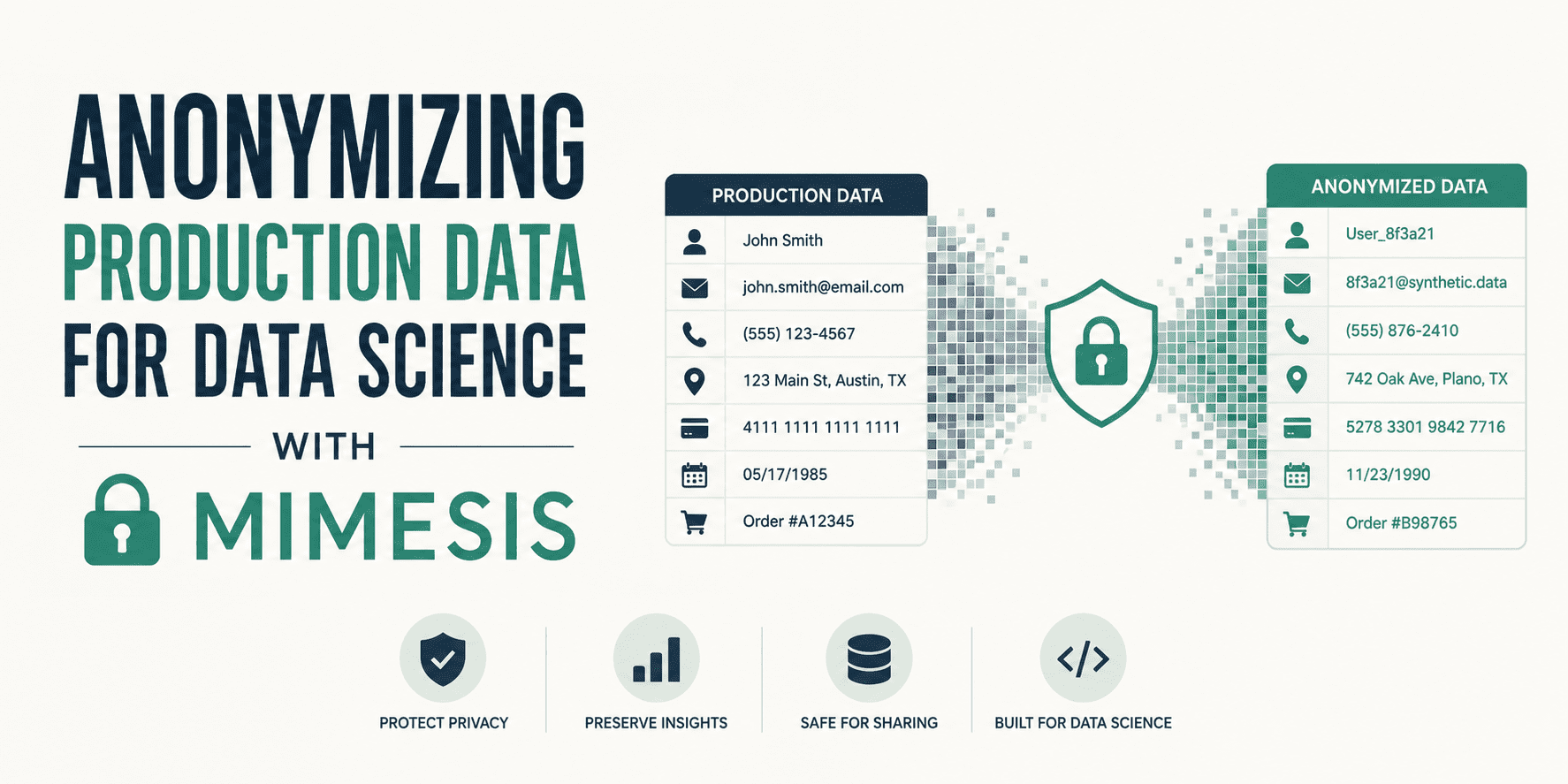
Data Anonymization with Mimesis: Key Insights
Mimesis is an open-source Python library that generates realistic synthetic data locally, enabling effective anonymization of sensitive pro…

Louisiana’s Vanishing Coastline: Early Signals of Climate-Driven Change
Louisiana’s coastline is disappearing rapidly due to rising seas and stronger storms, triggering population shifts and economic upheaval. A…
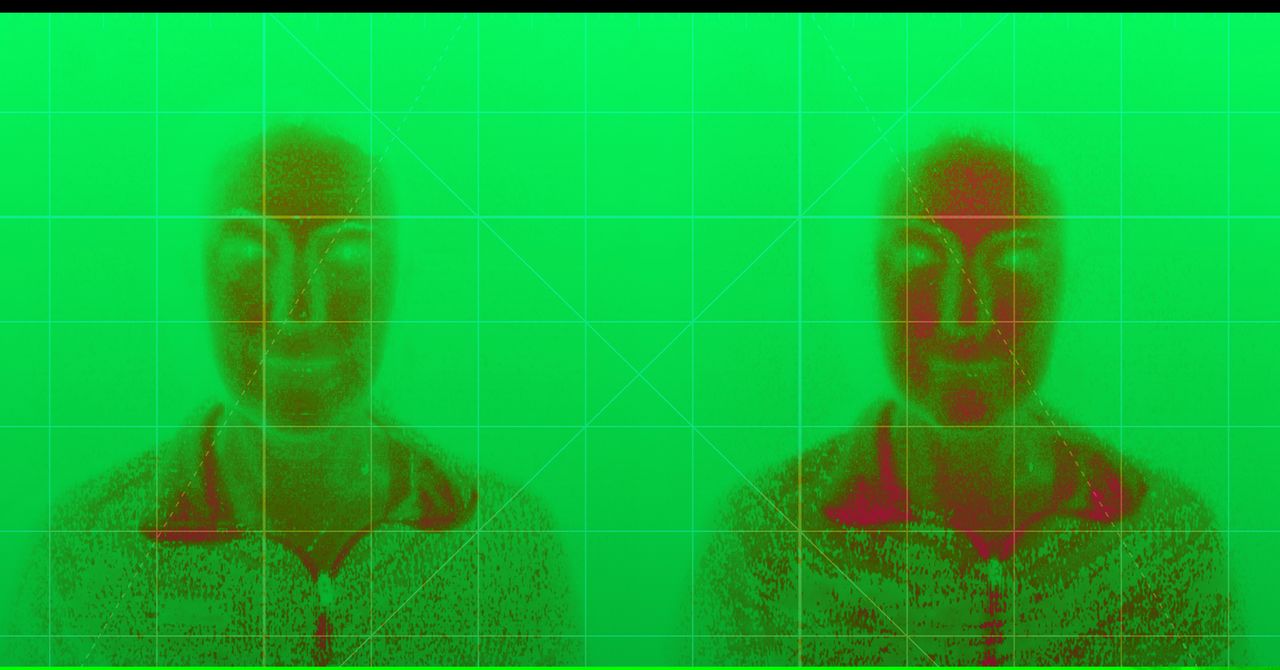
Metalenz Unveils Polar ID: Rethinking Face Authentication with Invisible Sensors
Metalenz’s Polar ID uses optical metasurfaces to analyze polarized light from skin, beating spoofing attempts better than Face ID. Hidden b…
DHS Attempts to Access Data on Canadian Critic of U.S. Immigration
The Department of Homeland Security used a customs summons to demand Google hand over location and activity data on a Canadian man critical…

Bohmian Mechanics: Revisiting Quantum Determinism After New Tests
Bohmian mechanics, once sidelined, returned to focus after a 2025 photon tunneling experiment tested its deterministic claims. The results…

Dark Matter Detection: Innovations Inspired by Henry Cavendish's Experiment
A modern take on Henry Cavendish’s 18th-century torsion balance proposes nested metal shells and ultra-sensitive voltage measurements to de…

Greenland’s Ice Melt Surges Since 1990
Greenland’s ice melt has accelerated sixfold since 1990, driven mainly by rising temperatures rather than atmospheric shifts. Extreme melt…