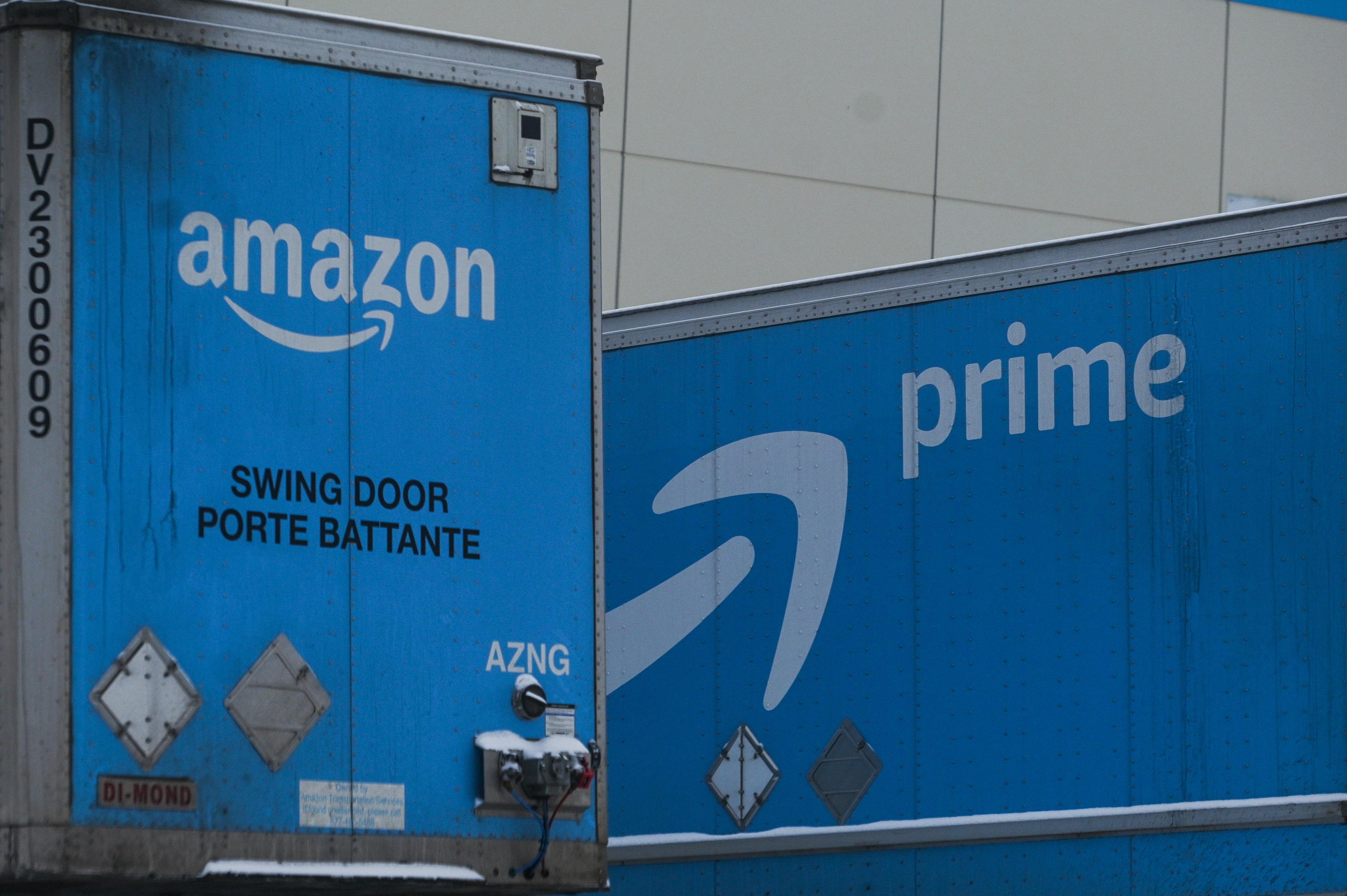
Amazon Opens Logistics Network to External Clients

Amazon is no longer just a retail giant; it’s now a logistics provider for other businesses. Through Amazon Supply Chain Services (ASCS), the company has opened its vast transportation and fulfillment network to external clients. This move puts Amazon in direct competition with established logistics firms like DHL, UPS, and FedEx. The offering spans freight, distribution, fulfillment, and parcel delivery across multiple sectors—from automotive to healthcare. By tapping into its global infrastructure, Amazon aims to deliver faster, more cost-efficient shipping solutions. It’s a bold shift that leverages the same operational muscle behind its own e-commerce empire, but now as a service for others.

ASCS Challenges Established Shipping Giants

Amazon Supply Chain Services (ASCS) launched in early 2024, stepping into a domain long controlled by DHL, UPS, and FedEx. The pitch is clear: use Amazon’s sprawling logistics network to provide end-to-end freight, fulfillment, and delivery services to outside businesses. Unlike traditional providers, ASCS leverages Amazon’s existing warehouses, delivery fleets, and technology platforms instead of building from scratch. The rollout started with industries like automotive parts, healthcare supplies, and consumer electronics. Amazon integrates with clients’ inventory systems, promising faster turnaround and transparent tracking. Early adopters note competitive pricing driven by Amazon’s scale and route optimization. The service covers major markets in North America, Europe, and parts of Asia, matching the reach of established carriers. Still, the hurdles are real. Incumbents have decades of experience, regulatory know-how, and strong customer ties. Amazon faces labor issues and regulatory scrutiny, especially in regions wary of its market power. Logistics leaves little room for error—delays or service failures show up immediately. ASCS isn’t just parcel delivery; it targets freight forwarding and last-mile delivery, where traditional players wrestle with rising costs and labor shortages. Amazon’s dynamic resource allocation could undercut competitors on price and speed. But scaling quality service remains a tough test. This move signals Amazon’s shift from retailer and cloud provider to a logistics monetizer. Whether it reshapes the shipping landscape depends on execution and rivals’ responses. For now, ASCS is a serious contender blending tech efficiency with global scale.

How Amazon’s Logistics Backbone Powers the New Service

Amazon’s logistics system is a finely tuned machine built over years to meet its own massive retail demands. It includes automated warehouses, fleets of delivery vans, cargo planes, and a network of sortation centers. This infrastructure was designed for Amazon’s e-commerce, not as a service for others. Now, that system is being repurposed to serve external clients through ASCS. The scale is staggering. Amazon moves billions of packages annually, giving it unmatched data insights and operational experience. Its integrated tech handles inventory, route optimization, and real-time tracking, enabling tight cost and delivery control. ASCS offers freight, distribution, fulfillment, and parcel shipping to industries beyond retail—automotive, healthcare, electronics, apparel, and more. But adapting to third-party clients is far from plug-and-play. Different product types, seasonal demand swings, and service expectations complicate operations. Amazon must handle varied cargo, comply with diverse regulations, and stay flexible without losing efficiency. It’s a tough balancing act. Yet the existing infrastructure, boosted by AI and robotics investments, sets a high bar for competitors to match quickly. Amazon’s logistics backbone is no longer just a cost center. It’s evolving into a platform—a service layer built on operational muscle and tech edge. Whether ASCS can scale and manage complexity remains a key question. But Amazon’s raw assets and know-how are formidable.

What This Means for Supply Chain and Industry Players

Amazon opening its logistics network to outside clients is more than a new revenue stream. For supply chain operators, it changes how logistics might be sourced and priced. Companies that once relied on traditional carriers will now weigh Amazon’s scale and tech efficiency against established relationships. Integrated freight, fulfillment, and last-mile delivery under one roof is attractive, especially where speed and reliability matter most. This isn’t a guaranteed win for Amazon or customers. Logistics giants have entrenched networks, regulatory expertise, and decades of experience managing complex global supply chains. Amazon’s aggressive entry will likely spark competitive responses—price cuts, service innovations, or tighter shipper partnerships. Smaller providers could face squeezed margins or be forced to specialize further to survive. Regulators will watch closely. Amazon’s dual role as retailer and service provider raises questions about market concentration and fair access. Transparency in pricing and capacity management will be crucial, especially during peak seasons when Amazon’s own retail needs could clash with external clients. Amazon’s logistics push may reset standards for speed and integration. Yet global logistics complexity means execution risks remain high. Companies considering ASCS will have to evaluate not just cost and speed but also flexibility and resilience. The coming months will reveal how well Amazon can turn its retail logistics strength into a trusted, scalable service.

Potential Growth and Competitive Dynamics Ahead

Amazon’s logistics expansion isn’t a side project—it’s a calculated bet on scale and efficiency. The next quarters will show how ASCS handles diverse clients beyond Amazon’s ecosystem. Key signs include customer growth and whether pricing stays competitive without sacrificing speed or reliability. Incumbents like DHL, UPS, and FedEx have deep networks and loyal clients. Their responses—price moves, service tweaks, or strategic partnerships—will shape the battlefield. If Amazon can integrate seamlessly with existing supply chains, it could disrupt traditional models. But entrenched players won’t yield easily. Technology remains crucial. Amazon’s proprietary routing algorithms and warehouse automation have been advantages. How quickly ASCS adapts these tools for external clients with varying needs will test the platform’s flexibility. Balancing customization with scalability won’t be simple. Regulatory hurdles loom, too. Expanding internationally means navigating customs, labor laws, and compliance challenges. Monitoring these developments and Amazon’s reactions will be important, especially if it pushes aggressively into new regions. Amazon’s logistics prowess is clear. But scaling that into a profitable, client-facing business is another matter. New client wins, service expansions, and competitive shifts will offer clearer clues about whether ASCS can reshape logistics beyond Amazon’s own doorstep.
Ссылка на первоисточник
Greenland ice melt has surged sixfold and scientists are alarmed
Science & Tech

Greenland’s Ice Melt Surges Since 1990

Greenland’s ice melt has accelerated sixfold since 1990, driven mainly by rising temperatures rather than atmospheric shifts. Extreme melt…