AI Dominates Phishing Attacks with Increased Sophistication
Phishing attacks have undergone a dramatic evolution, with artificial intelligence now powering an overwhelming 86% of these threats and boosting their success rates by up to sevenfold. This shift marks a critical turning point, as attackers move beyond traditional email scams to exploit new, less-guarded vectors such as calendar invites, Microsoft Teams messages, and sophisticated reverse proxy attacks targeting Microsoft 365 environments.
These AI-driven tactics leverage advanced social engineering, including hyper-personalized messaging and deepfake impersonations of corporate executives, making detection increasingly difficult. As phishing-as-a-service platforms automate and democratize these attacks, cybersecurity defenses must adapt swiftly. The era of relying solely on email filters is over; organizations now face a multi-channel onslaught that demands integrated strategies combining behavioral analytics, real-time threat intelligence, and heightened employee awareness to stay ahead.
Expansion of Attack Vectors and AI-Driven Personalization
Recent developments in AI-driven phishing attacks reveal a marked expansion in attack vectors, fundamentally altering the cybersecurity landscape. Traditionally confined to email, phishing campaigns now exploit a broader array of communication platforms. Since early 2023, there has been a significant surge in phishing attempts delivered through calendar invitations, Microsoft Teams messages, and sophisticated reverse proxy attacks targeting Microsoft 365 environments.
Calendar invites have emerged as a particularly insidious vector, leveraging trusted scheduling tools to bypass conventional email filters. Attackers embed malicious links or attachments within these invites, exploiting users’ routine interactions with calendar applications. Similarly, Microsoft Teams, widely adopted for corporate collaboration, has become a fertile ground for phishing, with AI-generated messages mimicking legitimate internal communications to deceive recipients.
Moreover, reverse proxy attacks on Microsoft 365 represent a sophisticated evolution in phishing tactics. By intercepting and relaying legitimate user traffic through malicious servers, attackers gain access to sensitive credentials and data without triggering standard security alerts. This method, combined with AI’s ability to tailor messages based on harvested user information, dramatically increases the success rate of these attacks.
Central to this expansion is AI-powered personalization. Attackers now deploy machine learning models to analyze target profiles, crafting highly convincing messages that incorporate contextual details and even deepfake audio or video impersonations of company executives. This level of social engineering sophistication complicates detection efforts and demands more nuanced defense mechanisms.
These developments underscore a critical shift: phishing is no longer a single-channel threat but a multi-vector assault requiring comprehensive cybersecurity strategies. Organizations must integrate behavioral analytics and real-time threat intelligence across all communication platforms. Equally important is fostering employee vigilance through continuous training tailored to recognize AI-enhanced phishing attempts beyond traditional email scams.
Understanding the Rise of AI in Phishing and Phishing-as-a-Service
Phishing attacks have long been a cornerstone of cybercrime, traditionally relying on mass-distributed emails to deceive victims into divulging sensitive information. However, the integration of artificial intelligence has dramatically reshaped this landscape. Today, AI-enhanced phishing campaigns leverage advanced machine learning algorithms to craft highly convincing, personalized messages that adapt to individual targets, significantly increasing their success rates. This evolution extends beyond conventional email channels, encompassing new vectors such as calendar invitations, collaboration platforms like Microsoft Teams, and sophisticated reverse proxy attacks targeting cloud services such as Microsoft 365.
Compounding this threat is the emergence of phishing-as-a-service (PhaaS), a model that commoditizes AI-powered attack tools. By automating the creation and distribution of phishing content, PhaaS lowers the technical barriers for cybercriminals, enabling even less skilled actors to launch complex, multi-channel campaigns with relative ease. This shift has led to a surge in attack volume and diversity, challenging traditional cybersecurity defenses that primarily focus on email filtering.
Understanding these developments is crucial for grasping the current surge in AI-driven phishing activity. The convergence of AI’s personalization capabilities with new delivery methods and service-based attack models demands a rethinking of defensive strategies. Organizations must now consider a holistic approach that incorporates behavioral analytics, real-time threat intelligence, and continuous employee education to effectively counteract this evolving threat landscape.
Challenges for Cybersecurity Defenses in a Multi-Channel Threat Landscape
The rapid evolution of AI-powered phishing attacks across diverse communication channels fundamentally challenges existing cybersecurity defenses. Organizations can no longer rely solely on traditional email filtering systems, as threat actors exploit expanded vectors such as calendar invites, collaboration platforms like Microsoft Teams, and sophisticated reverse proxy techniques targeting cloud services. This multi-channel threat landscape demands a comprehensive reassessment of security strategies, emphasizing real-time behavioral analytics and adaptive threat intelligence to detect subtle, AI-driven social engineering cues that evade conventional detection.
For industry stakeholders, the stakes are high: the increased effectiveness and personalization of attacks raise the risk of significant data breaches, financial losses, and reputational damage. The automation of phishing-as-a-service further lowers entry barriers for cybercriminals, increasing attack volume and diversity, which strains security resources and complicates incident response. Policymakers must consider regulatory frameworks that incentivize stronger cybersecurity postures and promote information sharing across sectors to keep pace with the shifting threat environment.
From a market perspective, demand will grow for advanced security solutions that integrate AI-driven anomaly detection and user behavior monitoring, alongside continuous employee training programs to enhance vigilance against increasingly convincing phishing attempts. Ultimately, adapting to this complex threat landscape requires a holistic, layered defense approach that evolves in tandem with AI-enabled adversaries, ensuring resilience amid an era where no single communication channel can be deemed secure by default.
Future Directions for Combating AI-Powered Phishing
As AI-powered phishing continues to evolve rapidly, several key indicators will signal the next phase of this cybersecurity challenge. Organizations and security professionals should closely monitor the proliferation of AI-generated content across emerging communication platforms beyond email and collaboration tools, such as augmented reality interfaces and IoT-connected devices, which could become new attack surfaces. Another critical milestone will be the refinement and wider adoption of phishing-as-a-service platforms, which may integrate more advanced AI models capable of generating hyper-realistic deepfakes and context-aware social engineering tactics that adapt in real time to target behavior.
On the defensive front, the integration of AI-driven behavioral analytics with real-time threat intelligence will be essential to keep pace with these sophisticated attacks. Early signals of progress will include the deployment of adaptive security frameworks that leverage machine learning to detect subtle anomalies across multiple channels simultaneously and the development of standardized protocols for sharing AI-specific phishing threat data across industries. Additionally, advances in user education—moving beyond traditional training to immersive, scenario-based simulations powered by AI—will be a crucial factor in enhancing employee vigilance against increasingly convincing phishing attempts.
Open questions remain around the ethical and regulatory frameworks needed to govern the use of AI in both offensive and defensive cybersecurity contexts. Stakeholders should watch for emerging policies that address the accountability of AI-generated content and the responsibilities of service providers hosting phishing-as-a-service infrastructure. Ultimately, staying ahead will require a holistic, multi-disciplinary approach that combines technological innovation, continuous threat monitoring, and human-centric strategies to mitigate the growing risks posed by AI-empowered phishing.
Frequently Asked Questions on AI-Driven Phishing Threats
AI has significantly increased the success rate of phishing attacks, making them up to seven times more effective than traditional methods. By automating the creation of highly personalized and context-aware messages, AI enables attackers to craft convincing social engineering schemes that are harder for individuals and automated defenses to detect.
What new attack vectors are being exploited beyond traditional email phishing?
Phishing attacks have expanded beyond email to include calendar invites, collaboration platforms like Microsoft Teams, and sophisticated reverse proxy attacks targeting Microsoft 365 environments. These new vectors exploit trusted communication channels and tools, increasing the likelihood of victim engagement and bypassing conventional email-focused security measures.
What is phishing-as-a-service and how does it impact cybercrime?
Phishing-as-a-service is a criminal business model that automates phishing attacks and offers them as turnkey services to less technically skilled criminals. This lowers the barrier to entry for cybercrime, resulting in a surge of AI-driven phishing campaigns that are more frequent, varied, and difficult to combat.
Which strategies are most effective for defending against AI-powered phishing?
Effective defense requires a multi-layered approach combining behavioral analytics, real-time threat intelligence, and continuous employee training to recognize sophisticated phishing attempts. Organizations must move beyond traditional email filtering to monitor multiple communication channels and implement adaptive security measures that can respond dynamically to evolving AI-driven threats.

Global Digests News delivers timely, credible coverage of world affairs, politics, economy, and technology to keep you informed on today’s top stories.

Bohmian Mechanics: Revisiting Quantum Determinism After New Tests
Bohmian mechanics, once sidelined, returned to focus after a 2025 photon tunneling experiment tested its deterministic claims. The results…

Dark Matter Detection: Innovations Inspired by Henry Cavendish's Experiment
A modern take on Henry Cavendish’s 18th-century torsion balance proposes nested metal shells and ultra-sensitive voltage measurements to de…

Greenland’s Ice Melt Surges Since 1990
Greenland’s ice melt has accelerated sixfold since 1990, driven mainly by rising temperatures rather than atmospheric shifts. Extreme melt…

Health Insurance Marketplaces Leak Sensitive Data to Ad Tech Giants
Nearly all U.S. state health insurance marketplaces have exposed sensitive applicant data—including citizenship and race—to major ad tech f…
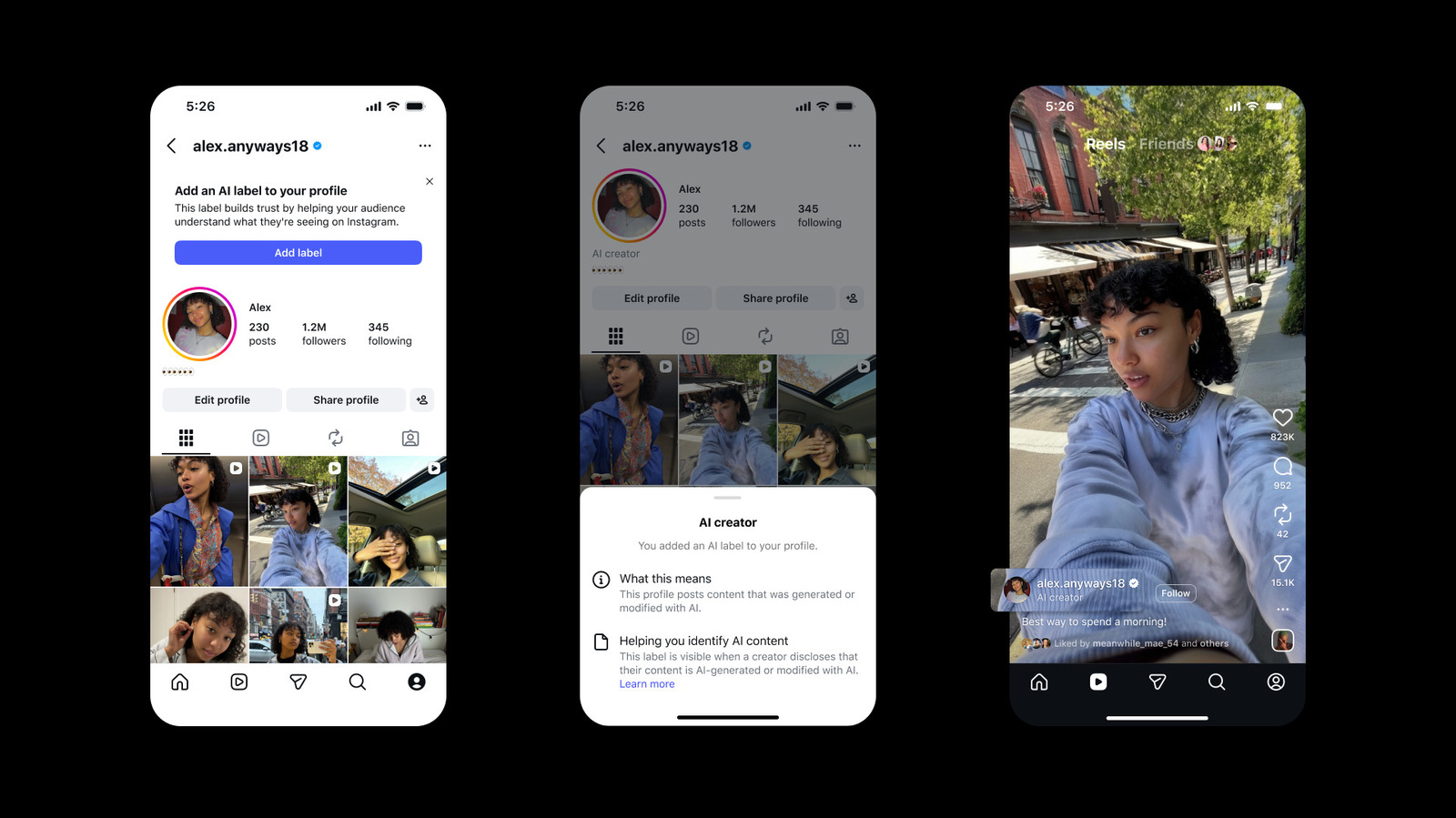
Instagram’s Voluntary AI Creator Label: A Tentative Step Toward Transparency
Instagram has launched an optional “AI creator” label for posts generated or altered by AI. Without automated detection, the system relies…

Uber’s Ambitious Expansion and Innovation
Uber CEO Dara Khosrowshahi lays out a vision to transform Uber into a travel and service platform. By integrating Expedia hotel bookings an…
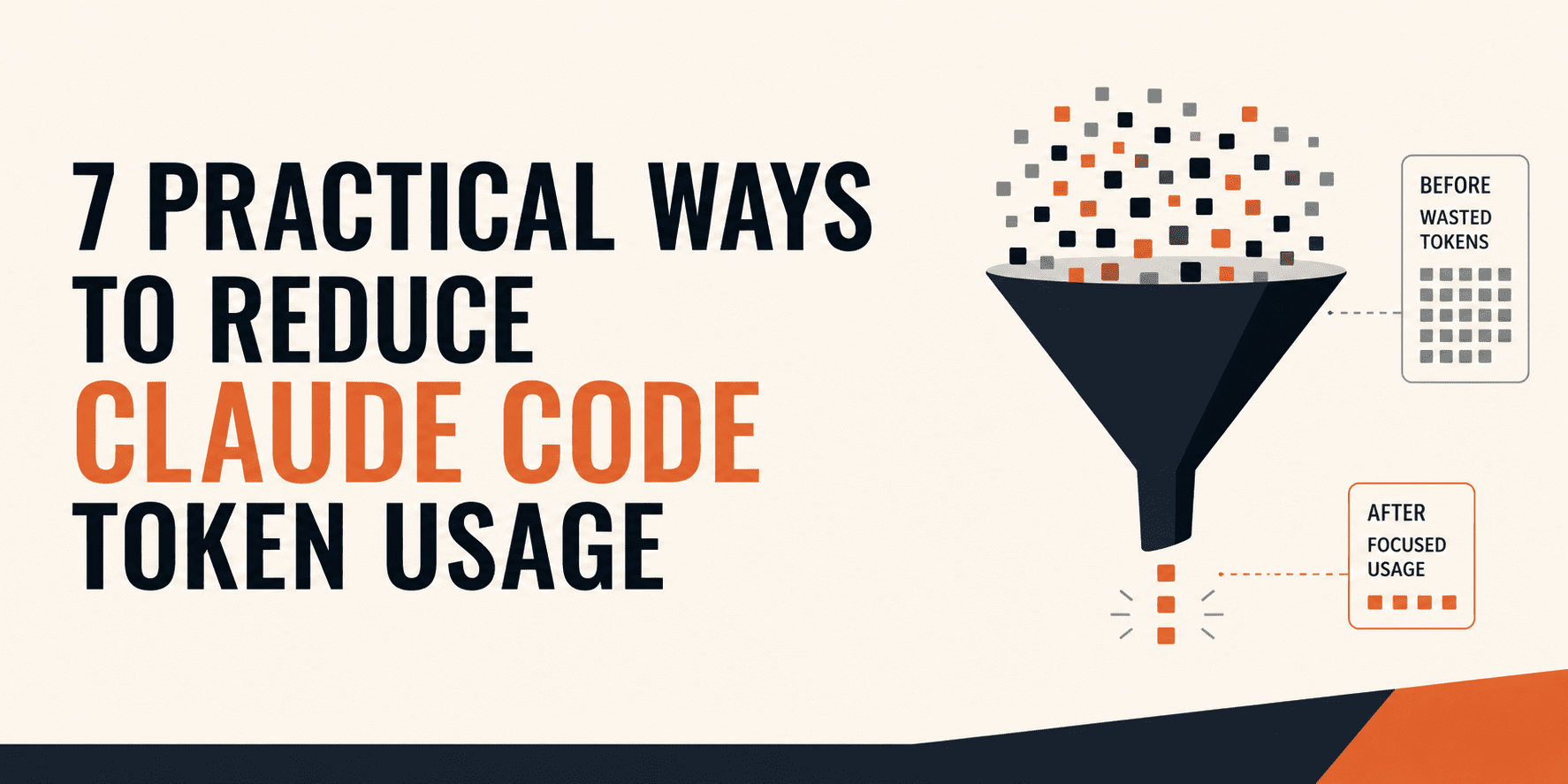
Claude Code Cost Control: Context Architecture Over Prompt Optimization
Claude Code’s costs stem less from prompt length and more from accumulated context—files, memory, and tool outputs that build up each sessi…

Leonardo da Vinci’s DNA May Finally Be Decoded
Researchers have mapped a 21-generation paternal lineage from 1331 to today, identifying 15 living male descendants of Leonardo da Vinci. G…