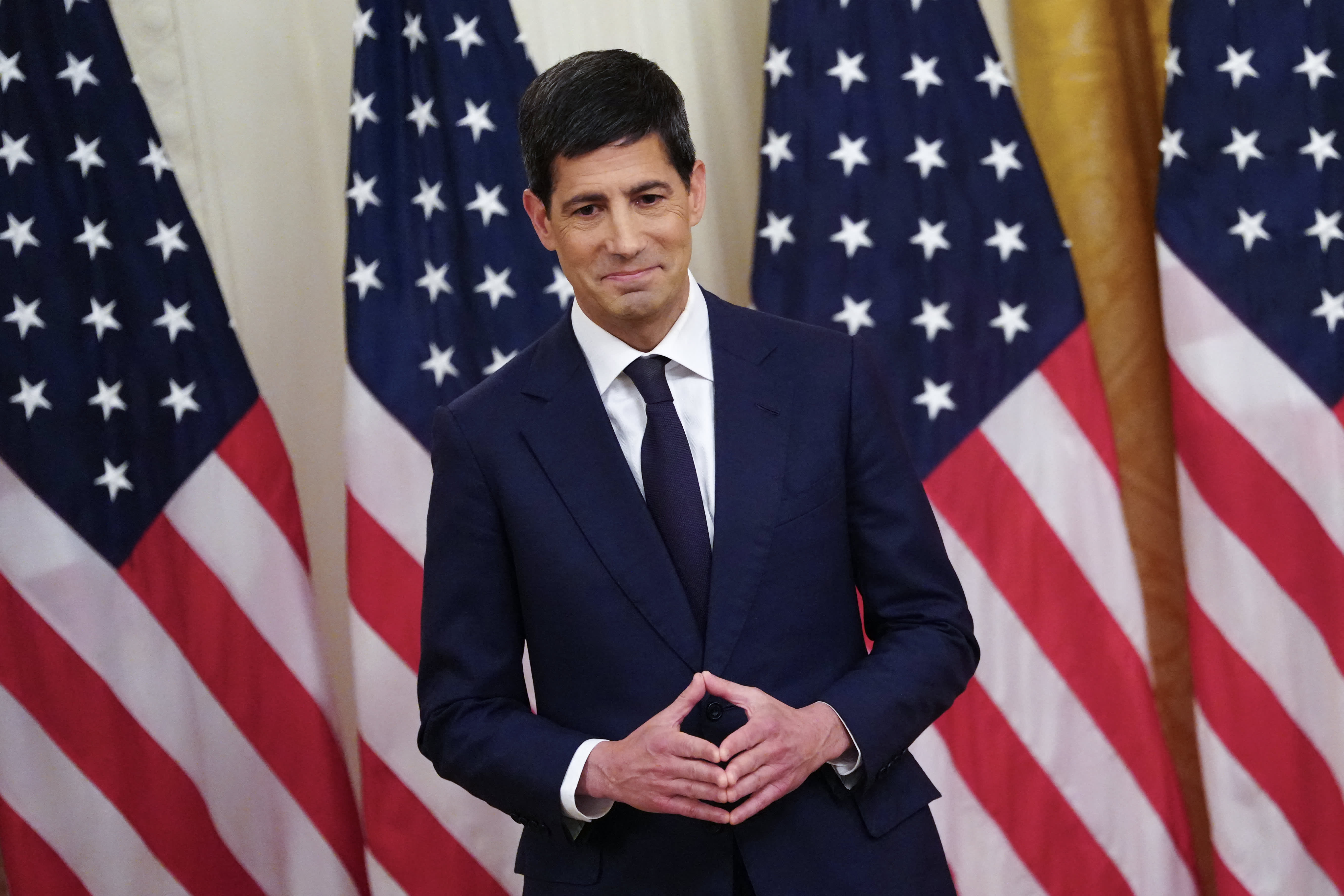
Warsh’s Shift in Fed Communication

Kevin Warsh stepped into the Federal Reserve Chair role with a clear message: the Fed’s communication style needs a reset. He’s pushing back against the long-standing habit of feeding markets a steady stream of hints and forecasts. Warsh argues that this constant signaling has backfired, leading to policy missteps and a market overly dependent on Fed cues rather than its own signals. Instead, he’s advocating for a quieter, less predictable Fed. This means fewer regular updates and a shift toward more vigorous internal debate before decisions see the light of day. The goal? Let markets do more of the heavy lifting in interpreting economic signals, rather than leaning on the Fed’s every word. It’s a bold pivot that could rattle markets in the short term but aims to improve policy effectiveness over time.

From Frequent Guidance to Strategic Silence

Kevin Warsh’s arrival at the Fed chair brought a clear break from the past. Since June 2026, he has openly challenged the Fed’s habit of offering frequent, detailed guidance on interest rates and policy moves. Instead of the steady stream of signals that markets had come to expect, Warsh proposes a more restrained approach. His critique is straightforward: too much public signaling encourages markets to chase the Fed’s words rather than focus on underlying economic fundamentals. This, he argues, can lead to policy missteps and an unhealthy dependence on Fed announcements. Warsh wants the Fed to dial back its public commentary, allowing internal discussions to remain more confidential and robust. While Warsh has confirmed plans for a press conference following the next Federal Open Market Committee meeting, he has stopped short of promising regular briefings after every session. This marks a notable shift away from the previous norm where the Fed often provided immediate and detailed explanations to the public and markets. The intent is to let markets play a more active role in interpreting economic signals without the Fed constantly steering expectations. That said, Warsh acknowledges this could mean bumpier market reactions in the short term. But by fostering more genuine market signals, he hopes the Fed can make policy decisions that are better grounded and less vulnerable to the noise of constant commentary.

What This Means for Markets and Policy

Markets thrive on clarity, yet Warsh’s shift toward less frequent Fed guidance introduces a new kind of uncertainty. Investors and traders, accustomed to dissecting every Fed word for clues, will need to adjust. Without regular signals, markets might initially react with sharper swings as they recalibrate how to interpret economic data absent explicit Fed cues. This could mean more reliance on actual economic indicators rather than Fed commentary. In theory, it encourages markets to lead policy expectations rather than follow them blindly. But it also raises the stakes for market participants to interpret data correctly and quickly, increasing the premium on analytical rigor and real-time information. For policymakers, the move signals a return to a more traditional, less reactive stance. Warsh seems to want the Fed to resist the temptation of micromanaging market expectations through constant communication. This could reduce the risk of policy errors driven by premature or overly optimistic market responses to Fed statements. Yet, the trade-off is clear: less transparency may reduce the Fed’s ability to smooth market reactions. Without a steady stream of guidance, markets might become more volatile in the short run, especially around Fed meetings or during turbulent economic periods. In practical terms, financial institutions, fund managers, and analysts will need to sharpen their focus on economic fundamentals and adjust their models accordingly. The Fed’s silence forces a heavier lift on market participants to interpret the economic landscape without the usual Fed commentary to lean on. Warsh’s approach could foster a healthier dynamic where monetary policy is less about managing perceptions and more about responding to real economic conditions. But it demands patience and discipline from markets, which may not come easily after years of Fed-driven narratives. The question is whether this recalibration will improve the Fed’s effectiveness or simply create noise that complicates decision-making for investors and policymakers alike. Either way, the era of constant Fed chatter appears to be ending, ushering in a period where silence itself becomes a strategic tool.

How to Interpret Fed Signals Going Forward

Expect less hand-holding from the Fed. Warsh’s approach means fewer previews of policy moves and less real-time guidance. Markets will have to read between the lines more, relying on economic data and price signals instead of Fed statements. That’s a big shift from the past decade’s “Fed whisper” culture, where every word was dissected for clues. For investors and analysts, this raises the bar for independent analysis. You can’t lean on the Fed to smooth out surprises anymore. Volatility might spike as traders react to fresh data rather than Fed cues. But that could also mean monetary policy becomes more responsive to actual market conditions, not just market sentiment shaped by Fed messaging. Keep an eye on economic indicators and market fundamentals. They’ll carry more weight in anticipating Fed moves. And don’t expect a steady drumbeat of official updates—Warsh’s Fed plans to speak less often, not more. This isn’t about secrecy but about letting the market play a bigger role in signaling when policy shifts are needed. In short, prepare for a noisier, less scripted market environment. The Fed’s voice will be quieter, but the signals you get might be clearer—if you know where to look.
Ссылка на первоисточник