UAE Denies Transfer of Frozen Iranian Funds
The United Arab Emirates has firmly denied reports that it agreed to release as much as $20 billion in frozen Iranian assets. Despite claims circulating in the media, the UAE government confirmed no funds have been transferred or facilitated in any way. This official pushback comes after Reuters cited unnamed sources suggesting the UAE’s alleged move was a calculated response to Iranian attacks since February.
The denial cuts through a fog of speculation about Dubai’s role in managing Iranian money amid Western sanctions. It underscores the gulf between rumor and reality in a region where financial flows often intertwine with geopolitical maneuvering. With tensions simmering, the UAE’s statement aims to clarify its position and prevent misunderstandings about its involvement in Iran’s frozen funds. Yet the question lingers: how did these reports gain traction, and what does this say about the opaque networks linking Tehran and the Gulf?
Reuters Reports and UAE’s Response
Reuters reported that the UAE had agreed to release up to $20 billion in frozen Iranian assets, citing unnamed sources. These sources framed the alleged decision as a strategic move linked to Iranian attacks since February, suggesting a form of financial retaliation or negotiation. The story quickly gained traction, feeding speculation about shifts in regional alliances and sanction enforcement.
However, the UAE government promptly pushed back. Official statements denied any transfer or facilitation of funds to Iran. They emphasized that no such agreement had been made and that all frozen assets remained untouched. This denial was not merely a routine rebuttal—it aimed to quash a narrative that could complicate the UAE’s diplomatic stance and economic relations.
The timing is notable. The Reuters report emerged amid escalating tensions in the Gulf, where financial channels and sanctions are tools of influence. Dubai’s role as a financial hub for Iranian money flows—some of them skirting Western sanctions—adds layers of complexity. While the UAE denies releasing funds, questions linger about the origins of these assets and how they are managed within the emirate’s financial system.
This episode underscores the opacity around frozen assets and the delicate dance of regional power plays. The UAE’s swift denial suggests a keen awareness of the risks in appearing to ease sanctions on Iran. It also highlights how quickly unverified reports can shape perceptions and geopolitical narratives, even when official channels move to contain the fallout.
Dubai’s Role in Regional Financial Flows
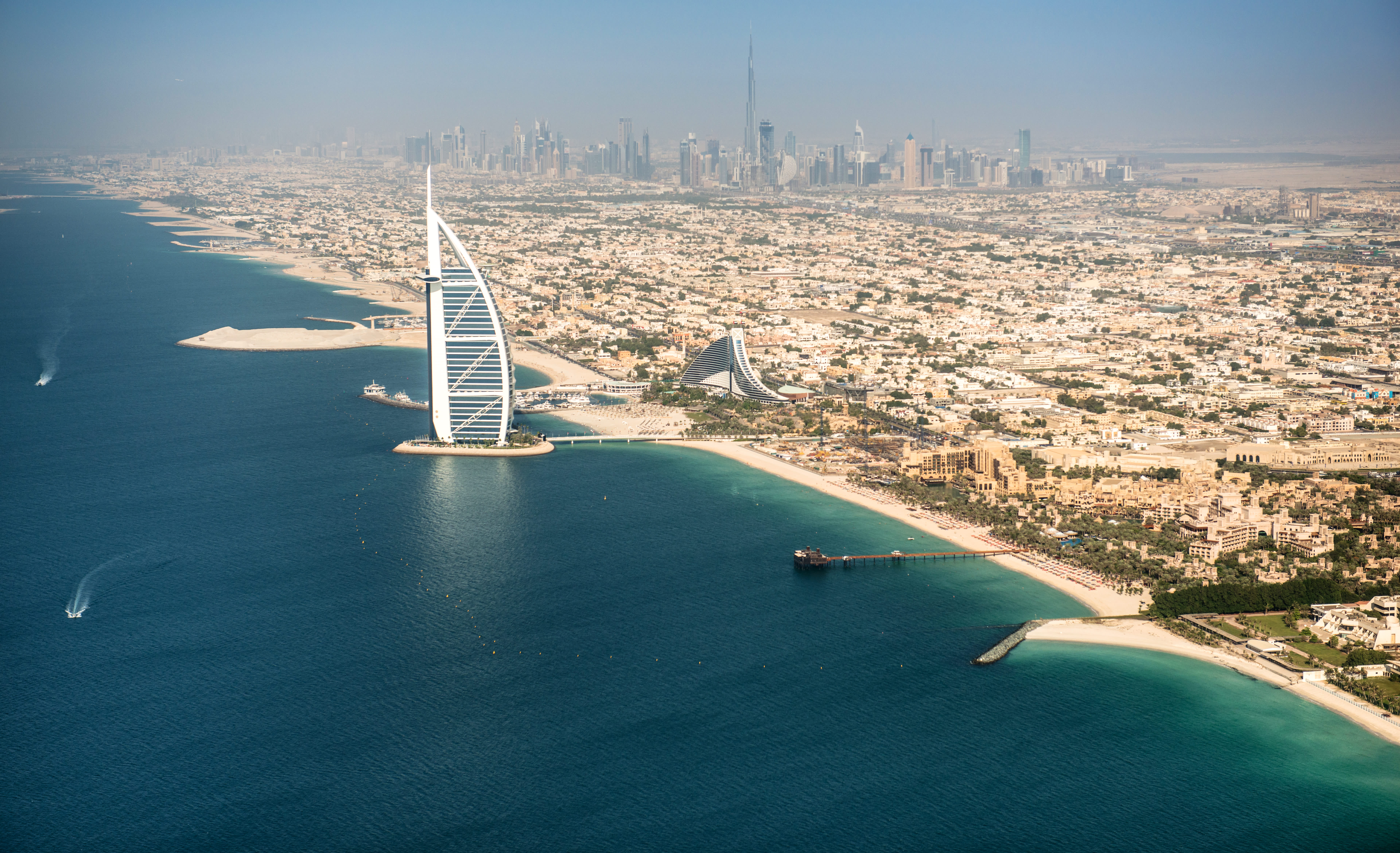
Dubai’s standing as a financial crossroads in the Middle East complicates any discussion about frozen Iranian assets. The city has long been a magnet for capital flows from across the region, including Iran, thanks to its sophisticated banking infrastructure and relatively open economy. Despite international sanctions targeting Tehran, Dubai’s role as a commercial hub means Iranian businesses and individuals often route funds through its financial institutions, sometimes skirting the edges of legality.
This background is crucial to unpack the recent claims about the alleged release of $20 billion in frozen Iranian funds. The UAE’s denial doesn’t erase the fact that Dubai’s financial ecosystem has historically facilitated Iranian transactions, whether through trade financing, real estate investments, or informal money transfer networks. These channels have persisted even as Western countries tightened sanctions, creating a complex web where official policy and on-the-ground financial realities diverge.
Understanding Dubai’s position helps clarify why reports of fund transfers cause immediate alarm. The city’s prominence in regional finance means any movement of large Iranian assets is not just a local matter—it reverberates through global markets and diplomatic channels. Yet, the UAE’s swift rejection of these reports signals an effort to maintain a delicate balance: asserting compliance with sanctions regimes while managing longstanding economic ties with Iran.
This tension reflects broader regional dynamics. The UAE has strategic reasons to avoid escalating financial entanglements with Tehran, especially amid heightened security concerns and shifting alliances. At the same time, Dubai’s financial networks remain a conduit that can be exploited, intentionally or otherwise, by actors seeking to bypass restrictions. That duality makes the current controversy less about a single transaction and more about the underlying complexity of regional financial flows.
Impact on Regional Tensions and Sanctions
The UAE’s denial throws a wrench into narratives suggesting a thaw in financial relations with Iran. If billions in frozen assets remain untouched, it signals a firm stance amid rising regional friction rather than a covert easing of sanctions pressure. For markets and policymakers, this means the status quo of sanctions enforcement largely holds—no sudden liquidity injection to Iran that might alter geopolitical calculations or fuel regional proxies.
Dubai’s reputation as a financial crossroads for Iranian money remains under scrutiny. The official rebuttal highlights the complexity of tracking sanctioned funds in a city known for its opaque flows and diverse banking networks. It also raises questions about the reliability of intelligence and media reports in a region where disinformation can serve strategic aims. The UAE’s message is clear: no shortcuts on sanctions compliance, despite external pressures or provocations.
For those monitoring Middle East tensions, this episode underscores how financial channels are battlegrounds as much as physical borders. The frozen assets issue isn’t just about money—it’s about signaling resolve and control. The UAE’s refusal to confirm any transfer keeps diplomatic and economic leverage intact, but it leaves open the possibility of future shifts depending on political developments. In the meantime, uncertainty and skepticism will linger among investors and governments trying to read the region’s financial undercurrents.
Questions About Future Moves and Transparency
What signals should we watch next? The UAE’s firm denial sets a baseline, but the story isn’t closed. Any future shifts in the frozen assets’ status will likely come with official statements or leaks from involved financial institutions. Watch for changes in banking regulations or sanctions enforcement in Dubai, given its central role in regional money flows. These moves could hint at subtle shifts in policy or pressure tactics.
Another key indicator will be Tehran’s response. If Iran escalates rhetoric or actions, it might suggest frustration with stalled asset access. Conversely, any diplomatic overtures or quiet negotiations could surface through back channels or international mediators.
Transparency remains a sticking point. The lack of clear accounting for the $20 billion figure fuels speculation. More detailed disclosures—whether from the UAE, international watchdogs, or investigative journalists—would clarify how much money is actually frozen, where, and under what conditions.
The region’s financial landscape is complex and often opaque. This episode underscores how information gaps can spark conflicting narratives. Future clarity depends on more robust reporting and perhaps greater international oversight. Until then, the interplay between official denials and unofficial reports will keep the story alive, with each side testing how far it can push its version of reality.

Global Digests News delivers timely, credible coverage of world affairs, politics, economy, and technology to keep you informed on today’s top stories.

SpaceX’s Ambitious IPO and the High Stakes of Valuation
SpaceX aims for a $1.77 trillion valuation in its upcoming IPO, blending space launches, Starlink’s profitable broadband, and the nascent A…
Workplace Trends in Canada: Return to Office
Statistics Canada data shows nearly 79% of Canadians worked on-site in May 2023, up from 77% the previous year. Remote-only work dropped sh…

Trump Walks Out After Election Fraud Dispute, Spotlight on Controversial $1.776 Billion Fund
Former President Trump abruptly ended an NBC interview when challenged on baseless election fraud claims and a disputed $1.776 billion fund…
When Homes Divide: Navigating Financial and Emotional Boundaries in Relationships
She wants to sell his house to combine finances and live comfortably. He resists, tied to his home and identity. Their 20-mile separation m…

Crypto ETFs Gain Ground Amid Cryptocurrency Price Drops
Bitcoin and Ether prices have fallen sharply, yet hyperliquid crypto ETFs (HYPE ETFs) have drawn nearly $160 million by blending decentrali…
Market Volatility Highlights Risks and Opportunities
The Nasdaq Composite plunged over 1,121 points—the largest single-day drop ever—while the S&P 500 lost $1.8 trillion in value, abruptly end…

Bitcoin’s Sudden Slide: What You Need to Know This Week
Bitcoin dropped below $60,000 for the first time since October 2024, losing 16% in a week. A major holder’s large sale triggered liquidatio…

Alphabet’s $85 Billion Equity Raise Puts AI Ambitions—and Risks—Under the Microscope
Alphabet’s plan to raise $85 billion through equity sales aims to fuel massive AI infrastructure expansion amid a recent stock slump. This…