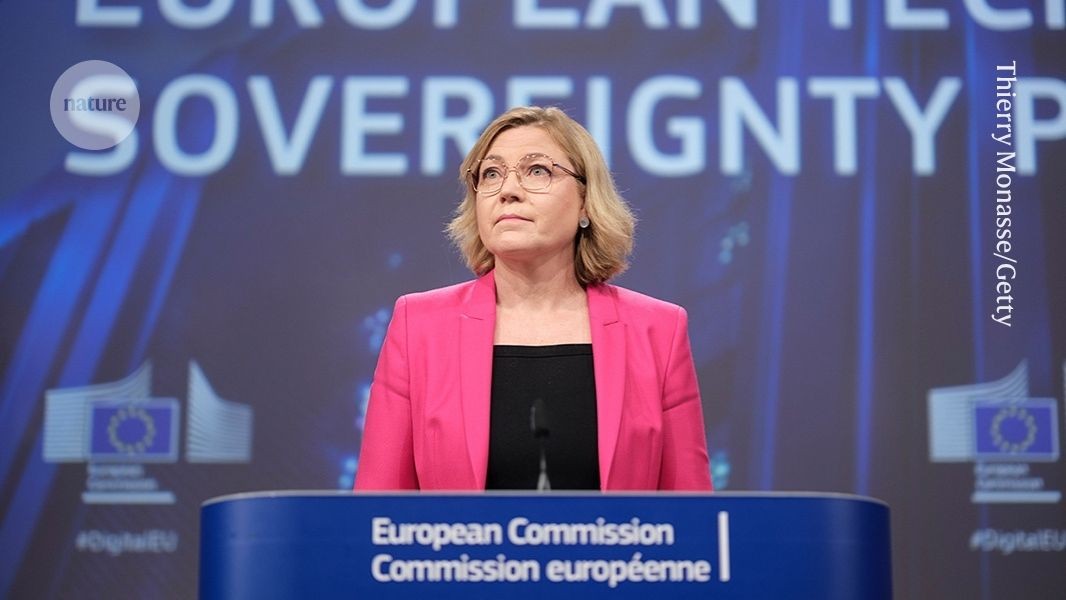
Europe’s Push for Tech Sovereignty
Europe is accelerating its break from US tech dominance with the launch of the European Tech Sovereignty Package. This initiative pushes for digital tools developed within the continent and champions open-source alternatives to safeguard data privacy and academic freedom.
Major research institutions are already acting. France’s CNRS has banned US consumer chatbots such as ChatGPT, opting instead for homegrown AI solutions. Germany and other countries follow suit, signaling a clear pivot away from reliance on American platforms. The shift is urgent—Europe wants tighter control over data flows and supply chains amid growing geopolitical and privacy concerns.
Shifts in Research Institutions
France’s National Centre for Scientific Research (CNRS) took a decisive step in early 2024 by banning the use of US consumer chatbots like ChatGPT within its labs. This move reflects rising concerns about data privacy and academic freedom. Instead, CNRS is investing in European AI projects that promise tighter control over sensitive research data.
Across the border, Germany’s Fraunhofer Society has been actively replacing US software tools with open-source and locally developed alternatives since late 2023. Their strategy focuses on minimizing reliance on foreign cloud providers and proprietary platforms. This shift aligns with the broader European Tech Sovereignty Package, which encourages research institutions to adopt home-grown digital infrastructure.
The transition isn’t without hurdles. Many researchers still depend on established US platforms for collaboration and data analysis. Yet, these institutions are pushing forward, citing the long-term benefits of technological independence. These changes mark a clear break from past practices and underscore Europe’s commitment to safeguarding its scientific ecosystem from external control.
The European Tech Sovereignty Package
The European Tech Sovereignty Package is an EU strategy aimed at cutting reliance on dominant US tech firms. It focuses on nurturing local digital infrastructure and software, with an emphasis on open-source platforms. The goal: safeguard sensitive data and uphold academic freedom by reducing exposure to foreign control.
This package supports initiatives across research, industry, and government sectors, encouraging the development and adoption of European-made tools. It also addresses supply chain vulnerabilities and data privacy conflicts with US-based cloud services. By promoting home-grown alternatives, the EU aims to build a more resilient and self-reliant digital ecosystem.
Challenges and Impact on Digital Independence

Europe’s push for tech sovereignty is reshaping how research institutions and businesses manage digital infrastructure. Cutting reliance on US technology means confronting entrenched ecosystems—many organizations depend heavily on American platforms for cloud services, AI tools, and collaboration software. Switching to European alternatives isn’t just swapping apps; it requires new workflows, retraining, and ensuring compatibility with global partners.
Data privacy and academic freedom drive this shift. Favoring local and open-source solutions aims to shield sensitive information from foreign surveillance and commercial exploitation. But European tools often lag behind US counterparts in scale and maturity, which could slow research productivity or competitiveness.
The European Tech Sovereignty Package tries to ease these frictions by funding development and incentivizing adoption. Still, the path to digital independence is uneven. Smaller institutions and startups might struggle with migration costs and complexity. Meanwhile, European tech vendors face pressure to match the usability and security of established platforms.
Market dynamics will shift. US tech giants may lose ground in Europe but remain dominant globally. European companies could gain new opportunities but must prove their solutions can compete. Policymakers will need to balance protection with openness to avoid isolation.
For users and organizations, this means more control over data but also a period of adjustment marked by trial and error. Europe’s bet on sovereignty is as much about strategic autonomy as it is about reshaping the digital tools that underpin science, industry, and daily life.
Global Digests News delivers timely, credible coverage of world affairs, politics, economy, and technology to keep you informed on today’s top stories.