Human Judgment at the Core of AI Ethics
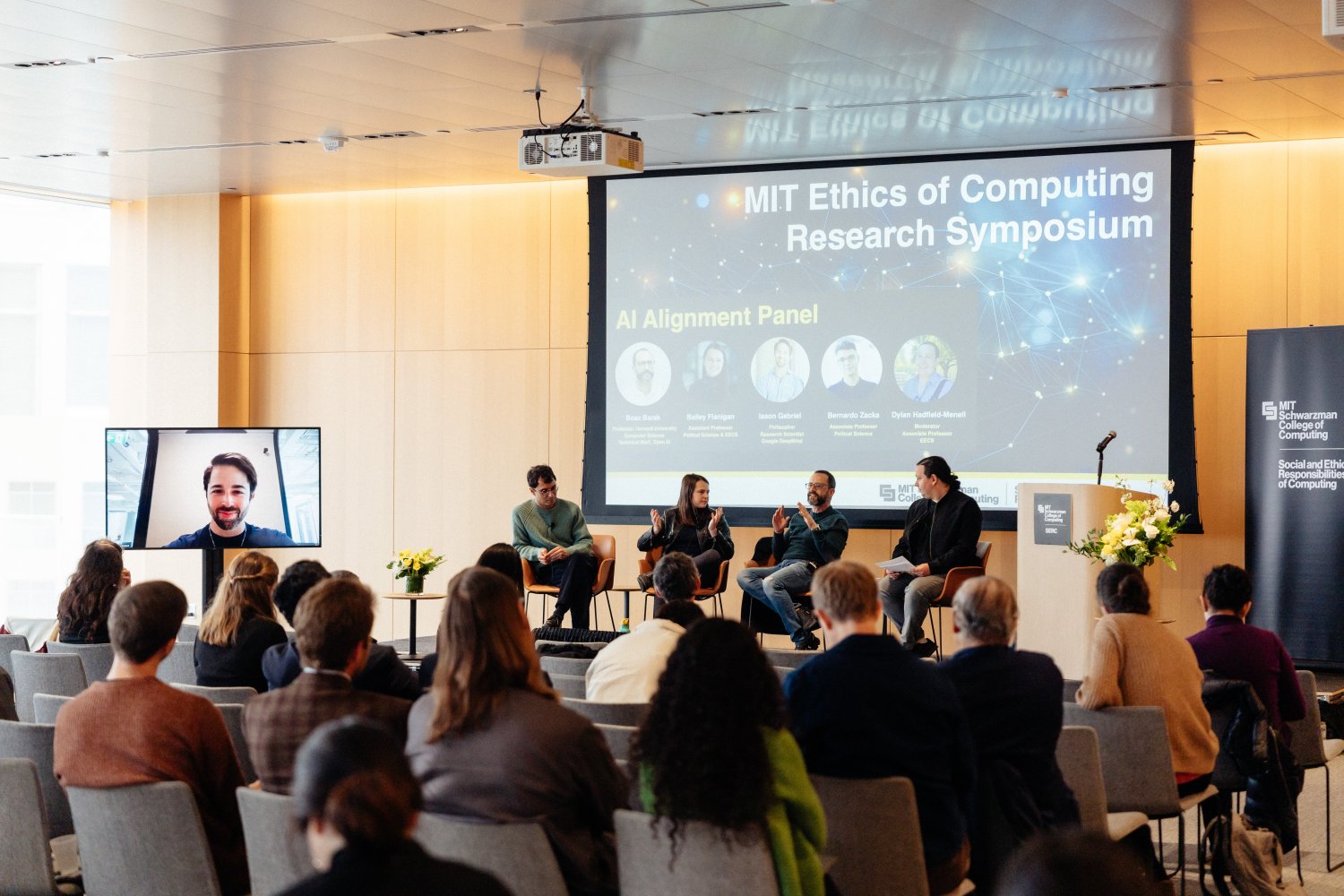
Human judgment remains central to AI ethics, a point the MIT Ethics of Computing Research Symposium made emphatically. AI’s rapid technical progress hasn’t lessened the need for human values to guide it. Machines alone can’t untangle the moral complexities AI systems face. The real challenge isn’t just building smarter algorithms but ensuring those algorithms reflect the diverse, often conflicting, values only humans can provide.
This reframes AI not as an autonomous problem solver but as a tool requiring vigilant human oversight. The symposium made clear that aligning AI with human values isn’t a technical shortcut—it’s a continuous, deeply human task. Who sets the rules, and how those rules evolve, remains a question that technology alone can’t answer.
Challenges in Aligning AI with Human Values
The symposium peeled back the layers on why encoding human values into AI is so fraught. Human values aren’t universal or fixed; they shift with culture, context, and time. That variability defies simple algorithmic translation. An AI trained in one society may behave unacceptably in another. The core problem isn’t just technical—it’s about whose values get prioritized and how fairness is ensured amid competing interests.
Jon Kleinberg, the keynote speaker, pointed to AI’s tendency to rely on oversimplified models of human preferences. These models often ignore tensions between individual and collective good, which can inadvertently reinforce bias or deepen inequality. While Kleinberg called for frameworks that incorporate diverse viewpoints, he acknowledged the difficulty of doing so without losing accountability or overwhelming the system.
Another persistent issue is the gap between AI’s outputs and how humans interpret them. Even when AI follows ethical guidelines, users may misunderstand or misapply decisions. This gap reinforces why human oversight can’t be sidelined. Relying solely on automated ethical reasoning risks mistakes that only human judgment can catch and correct.
The symposium also wrestled with governance questions. Who decides which values get embedded in AI? Regulatory bodies, private firms, interdisciplinary panels? No single group can do it alone. Collaborative models are necessary but hard to build given conflicting interests and power imbalances.
In education, the debate focused on how AI can support learning without short-circuiting the cognitive struggles that build deep understanding. Educators want AI as a partner, not a shortcut.
Ethical AI development emerged as an ongoing negotiation, not a one-time fix. The human element—complex, contradictory, and evolving—remains at the heart of this process.
Insights from the MIT Ethics of Computing Symposium
The MIT Ethics of Computing Research Symposium brought together researchers, ethicists, and practitioners to tackle AI’s ethical challenges head-on. Instead of recycling familiar debates, the event zeroed in on practical issues of embedding ethics into AI systems. The message was consistent: no algorithm can fully capture human values without ongoing human judgment. Automation isn’t rejected but framed as incomplete without human oversight.
Governance dominated the conversation. Who decides what ethical principles AI follows? The symposium explored everything from theoretical models to real-world cases, including AI’s role in education. Participants debated how to balance AI assistance with preserving the cognitive effort students need for critical thinking.
Kleinberg’s keynote underscored AI’s limits in ethical nuance. While AI can augment decisions, it can’t replace the contextual understanding and moral reasoning humans provide. This tension shaped much of the discussion, pointing to the persistent need for human judgment in AI deployment.
Bridging Human and AI Collaboration Gaps
The disconnect between human judgment and AI’s logic isn’t just a bug—it shapes adoption and regulation. Developers face the challenge of building systems that honor diverse values without flattening them into rigid rules. This requires embedding continuous human oversight into AI workflows, not just code tweaks.
Industries like healthcare and finance now face pressure to integrate ethical checks that adapt as contexts evolve. Policymakers are caught between fast-moving AI innovation and slow legislative processes. The MIT discussions make clear that governance frameworks must preserve human discretion rather than replace it. This complicates regulation but guards against blind faith in AI decisions.
Transparency and explainability will become non-negotiable. Users and buyers want to know how AI reaches conclusions, especially in sensitive areas.
For users, ignoring the subtlety of human values risks eroding trust or causing harm through bias. The symposium suggests effective human-AI collaboration hinges on keeping humans meaningfully involved. This will reshape training, user experience, and even how we measure AI success.
Bridging these collaboration gaps isn’t a one-time fix. It demands a mindset shift: AI as a partner requiring constant human engagement, not a standalone solution. This shift will shape how ethical AI is built, governed, and accepted.
Why Continuous Human Reflection Matters

The MIT symposium’s core takeaway: AI ethics isn’t a set-it-and-forget-it problem. Human reflection must be ongoing. AI systems evolve, contexts change, and values rarely stay fixed. Continuous oversight is essential to catch unintended effects and recalibrate ethical frameworks.
Organizations should build structures for regular review and critical assessment. Diverse teams need to revisit decisions, question assumptions, and ensure AI actions align with current norms. Relying solely on initial programming or automated governance invites blind spots, especially as AI tackles more complex, sensitive tasks.
For developers and users alike, this calls for humility and vigilance. No algorithm can fully grasp human values without human input. Ethical AI demands a partnership where human judgment guides, corrects, and sometimes overrides machine outputs. Without that, AI risks drifting from the principles it’s meant to uphold.
Global Digests News delivers timely, credible coverage of world affairs, politics, economy, and technology to keep you informed on today’s top stories.