Inside the Startup Battlefield Competition
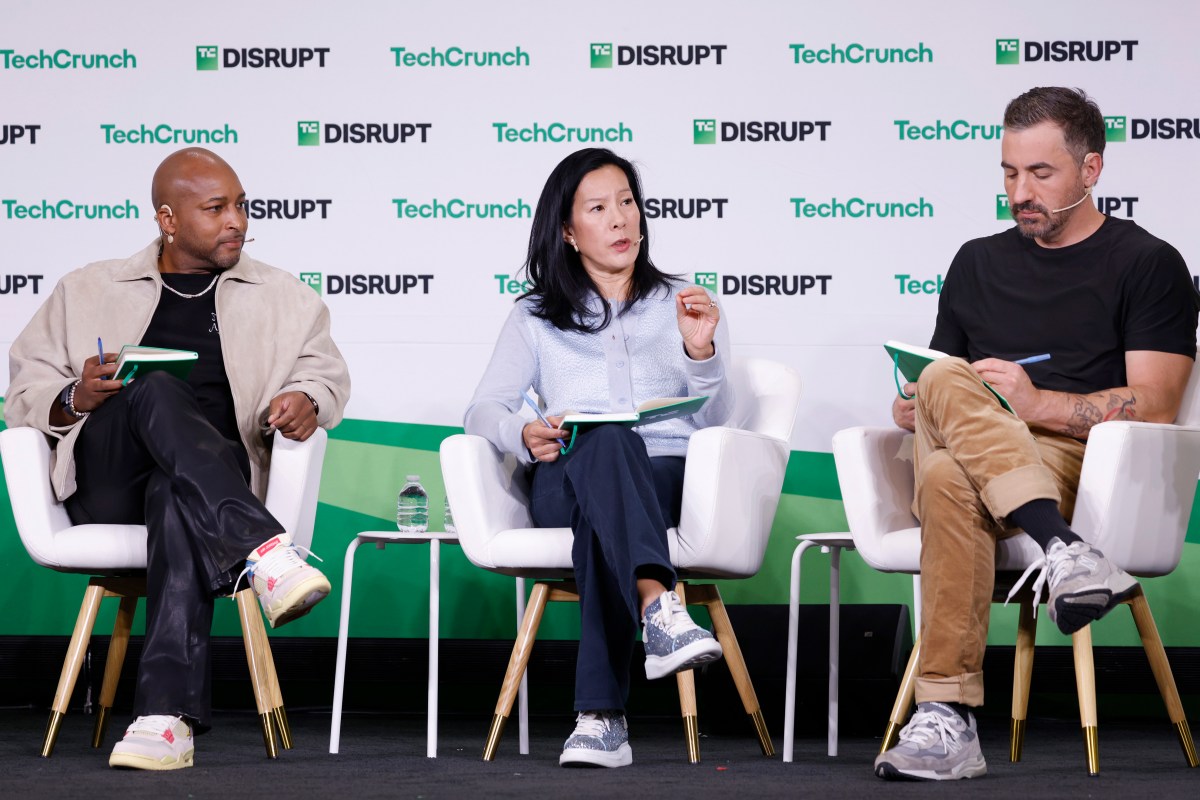
The Startup Battlefield at TechCrunch Disrupt sharpens its focus this year on early-stage startups ready to make waves. Twenty handpicked companies pitch on the main stage, competing for a $100,000 equity-free prize. But the real story lies beyond the winner’s circle. Even startups that don’t make the Top 20 receive fully funded demo booths, event passes, and tailored pitch coaching.
This competition isn’t just about cash. It’s a fast track into a dense network of founders, investors, and media converging in one place. For startups, exposure and connections often matter as much as the prize money. The application deadline is June 8, 2026; the event happens in October. Battlefield has evolved into a proving ground where visibility and feedback can rival the trophy’s value.
What It Takes to Make the Top 20
Getting into the Top 20 isn’t about flashy buzzwords or hype. The process starts months ahead with hundreds of applications. Startups must clearly define a compelling problem and scalable solution, backed by traction or a credible roadmap. Judges want teams showing technical skill and market savvy.
Applications close June 8, 2026. After submission, startups face multiple evaluation rounds. Early screening weeds out those lacking clarity or differentiation. Then investors, entrepreneurs, and TechCrunch editors dig deeper—assessing product maturity, business model viability, and execution under pressure.
By late summer, a shortlist emerges. Those startups get direct feedback and pitch coaching to sharpen their story. The final Top 20 earn main-stage slots, funded demo booths, and access to a network of mentors and investors.
This favors startups blending innovation with readiness. A novel idea isn’t enough; measurable progress or clear market plans are crucial. The structured timeline pushes founders to refine both product and pitch well before the spotlight hits.
Beyond the Prize: Perks for All Applicants
Applying isn’t just about winning $100,000 or making the Top 20. Every accepted startup gets a fully funded demo booth at Disrupt—a valuable gateway to potential customers, partners, and investors.
Applicants also receive full event passes and pitch coaching. These resources help founders sharpen messaging and presentation skills, vital regardless of main-stage status. The coaching delivers tailored feedback that improves investor meetings and customer demos.
Perhaps most valuable is access to TechCrunch’s founder community. This network often leads to collaborations, advice, and introductions long after Disrupt ends. Such ecosystem support can accelerate growth beyond a single cash prize.
The application is free and open, inviting startups at various stages. Even early-stage companies gain exposure and resources. For startups on the fence, the benefits extend well beyond competition results—the exposure, coaching, and community form a foundation with lasting value.
Why Participation Matters Long Term
Startup Battlefield isn’t a one-off contest with a cash prize dangling at the end. Its value stretches well beyond the immediate win or loss. Startups gain exposure placing them in front of investors, journalists, and partners otherwise hard to reach. This visibility can accelerate deal flow and open doors that usually take years.
The competition’s structure encourages ongoing growth. Even those missing the Top 20 benefit from pitch coaching and professional showcasing. This feedback loop refines business models and messaging. Connections formed often evolve into mentorships, partnerships, or funding talks shaping a startup’s future.
For investors, Battlefield filters promising startups after rigorous vetting, cutting through market noise. For ecosystem builders, it reveals emerging trends and innovation gaps.
Participation signals credibility. Startups can leverage Battlefield experience as social proof in conversations with clients, partners, and investors. It validates vision and execution.
The long-term stakes are clear: Battlefield embeds startups in a dynamic ecosystem, offering critical feedback and relationships that compound over time. For founders serious about scaling, it’s a platform to accelerate momentum—not just a moment in the spotlight.
How to Apply and Prepare
Applications close June 8, 2026. Early submission avoids last-minute rushes and gives more time to refine your pitch if selected. But don’t treat it as a simple form-fill. The committee looks for clear product-market fit and standout narratives among hundreds of startups. Expect to iterate your application and pitch materials multiple times.
Once accepted, preparation shifts. The October event demands more than polished demos—it requires strategic storytelling aimed at judges and investors. Past participants advise concise messaging focused on traction and scalability. Pitch coaching is included, but founders must absorb feedback and adapt quickly.
Watch for TechCrunch announcements on pre-event workshops and networking. These often go underused but offer critical insights and connections. Also track evolving judging criteria; the competition adapts yearly to market shifts and tech trends.
Participation itself—Top 20 or not—opens doors. Exposure, feedback, and community access can accelerate growth in unexpected ways. The real signals post-application are your network’s response and follow-up from investors or mentors. These early interactions often reveal more about your startup’s trajectory than the competition outcome.
Global Digests News delivers timely, credible coverage of world affairs, politics, economy, and technology to keep you informed on today’s top stories.