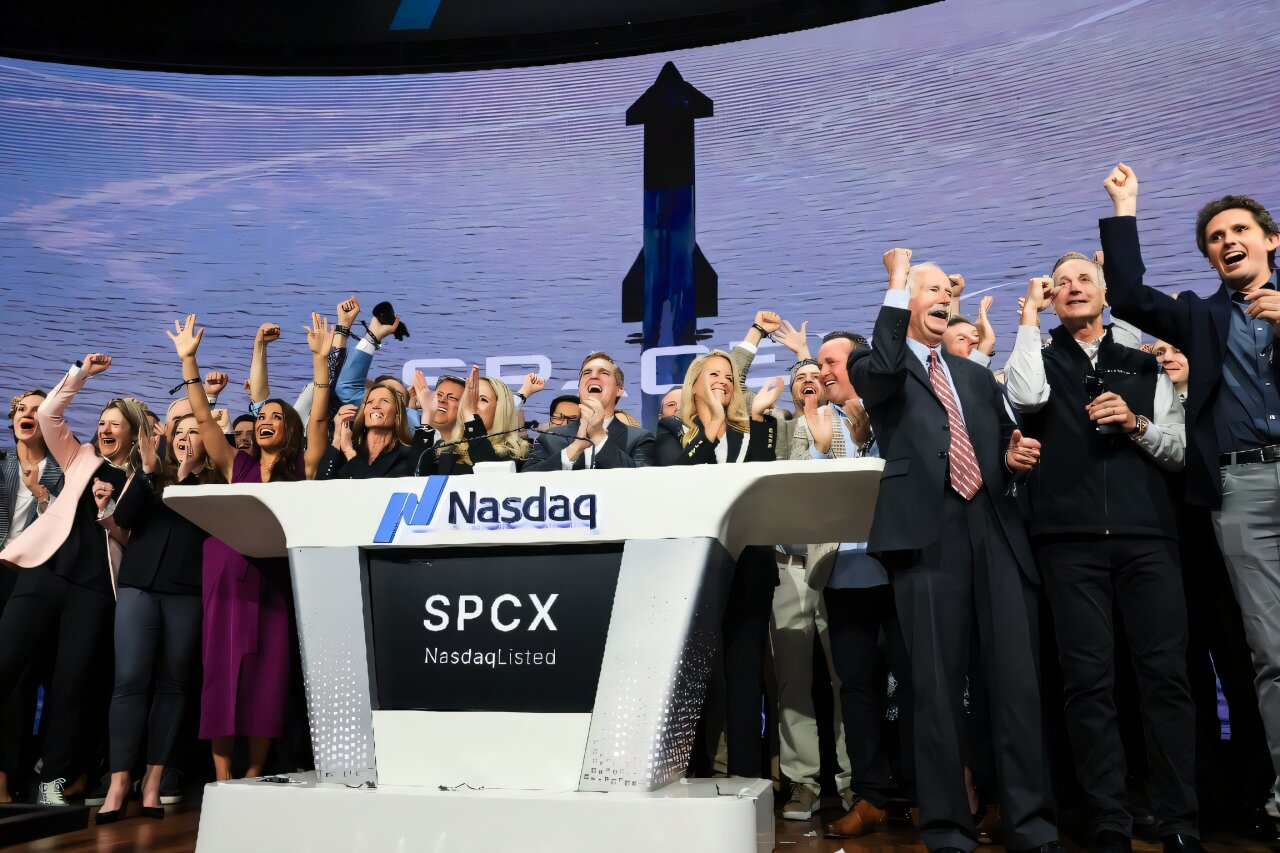
SpaceX’s Journey from Failures to Firsts
SpaceX’s path has been anything but smooth. The company’s early years were marked by a string of launch failures that nearly derailed its ambitions. But those setbacks set the stage for a series of breakthroughs that changed the game. In 2008, SpaceX nailed its first successful orbital launch with Falcon 1, proving private firms could reach orbit. Four years later, it became the first private company to dock a spacecraft at the International Space Station, a feat once reserved for national space agencies.
Since then, SpaceX has pushed boundaries with reusable rocket technology, developing Falcon 9 and Falcon Heavy to slash costs and turnaround times. Its Starship project, based at the Texas Starbase, remains a work in progress—test flights have seen dramatic explosions, yet the company is gearing up for a critical milestone: catching the “Super Heavy” booster in midair by 2024. These efforts reveal a company still wrestling with technical hurdles but reshaping aerospace economics and ambitions in real time.
Breakthroughs in Reusability and Starship Testing
SpaceX’s push into rocket reusability reshaped the aerospace game. The Falcon 9, first flown successfully in 2010, became the workhorse thanks to its reusable first stage. By 2015, SpaceX had nailed the first controlled landing of this stage on a drone ship at sea—a feat many thought impossible. This breakthrough cut launch costs and set a new standard.
Building on Falcon 9, the Falcon Heavy debuted in 2018, featuring three reusable cores. Its successful launches proved that heavy payloads could benefit from reusability without sacrificing power. These achievements laid groundwork for even bolder plans.
Enter Starship, SpaceX’s next-generation vehicle designed for deep space. Development at the Texas Starbase has been intense and public. Early prototypes faced multiple explosive test failures between 2019 and 2021, raising doubts. Yet each test provided valuable data, speeding iterative design improvements.
In 2023, Starship’s Super Heavy booster prepared for a critical milestone: a controlled catch by the launch tower’s arms during descent. This maneuver, if successful, would mark a new level of reusability by eliminating the need for ocean landings. SpaceX aims to demonstrate this in 2024, pushing the envelope further.
Despite setbacks, Starship’s testing cycle remains relentless. The program’s scale and ambition eclipse previous efforts, targeting lunar missions and Mars colonization. The technical challenges are immense, but SpaceX’s iterative approach keeps momentum alive. Reusability is no longer a concept but a fast-evolving reality under their watch.
Milestones Shaping SpaceX’s Role
SpaceX’s rise isn’t just about flashy launches—it’s a timeline marked by key achievements that reshaped private spaceflight. The company’s first orbital success came in 2008 with Falcon 1, proving a private firm could reach orbit. That was just the start. By 2012, Dragon became the first commercial spacecraft to dock at the International Space Station, a milestone that opened government partnerships beyond NASA’s traditional contractors.
Reusability transformed SpaceX’s approach. Falcon 9’s first successful booster landing in 2015 changed the economics of rocket launches. Falcon Heavy, debuting in 2018, pushed payload capacity further while showcasing reusable side boosters. These innovations cut costs and increased launch cadence, forcing the industry to rethink its models.
The Starship program at the Texas Starbase embodies both ambition and risk. Despite several high-profile test failures, SpaceX keeps refining the Super Heavy booster and Starship vehicle. Plans to catch the booster mid-air in 2024 reflect an aggressive push toward rapid reuse and larger payloads. While some targets remain elusive, these efforts underline SpaceX’s role as a disruptor, not just a participant, in aerospace.
Each milestone nudges the boundary of what’s possible. SpaceX’s track record blends bold engineering with iterative testing, often at public cost. This mix of breakthrough and setback has become a defining pattern, setting the stage for future missions to the Moon and Mars.
Changing the Economics and Ambition of Space Travel

SpaceX’s push into reusable rockets has already shaken up aerospace economics. By slashing launch costs with Falcon 9’s first-stage recovery, the company forced competitors and governments alike to rethink budgets. This isn’t just about cheaper rides to orbit; it’s about enabling missions that were once financially out of reach. Satellite constellations, rapid cargo resupply, even crewed missions now look more feasible.
The Starship program aims to extend that impact dramatically. If its full reusability and heavy-lift capabilities pan out, it could open the door to sustained lunar presence and Mars exploration—projects demanding scale and frequency unattainable with traditional expendable rockets. That kind of ambition reshapes expectations for what space agencies and private players must plan for.
But the road is far from smooth. Technical setbacks and regulatory hurdles remain significant. The broader industry watches closely, balancing excitement with caution. For policymakers, SpaceX’s trajectory raises questions about infrastructure, safety standards, and international cooperation. Markets, meanwhile, must weigh the risks of betting on a technology still proving itself.
For readers and space enthusiasts, the takeaway is clear: SpaceX is shifting the baseline for space travel’s cost and scope. Whether it achieves every goal, it has already altered the playing field. The company’s successes and stumbles will influence how—and how fast—we reach beyond Earth in the coming decades.
Global Digests News delivers timely, credible coverage of world affairs, politics, economy, and technology to keep you informed on today’s top stories.