Rising RAM Costs Hit Smartphones Hard

RAM prices have spiked sharply, now eating up more than half of a smartphone’s hardware costs. Carl Pei, CEO of Nothing, revealed that during the development of the Phone 4A, RAM prices doubled twice, squeezing margins and forcing price hikes. This isn’t just a Nothing problem. Major players like Samsung and Google are also grappling with the global memory crunch. The result: smartphones are hitting the market with price tags up to $100 higher than before. Discounts, once a staple of seasonal sales, are thinning out, nudging consumers toward earlier upgrades and reshaping buying habits across the board.

Nothing Phone 4A and Industry-Wide Price Hikes

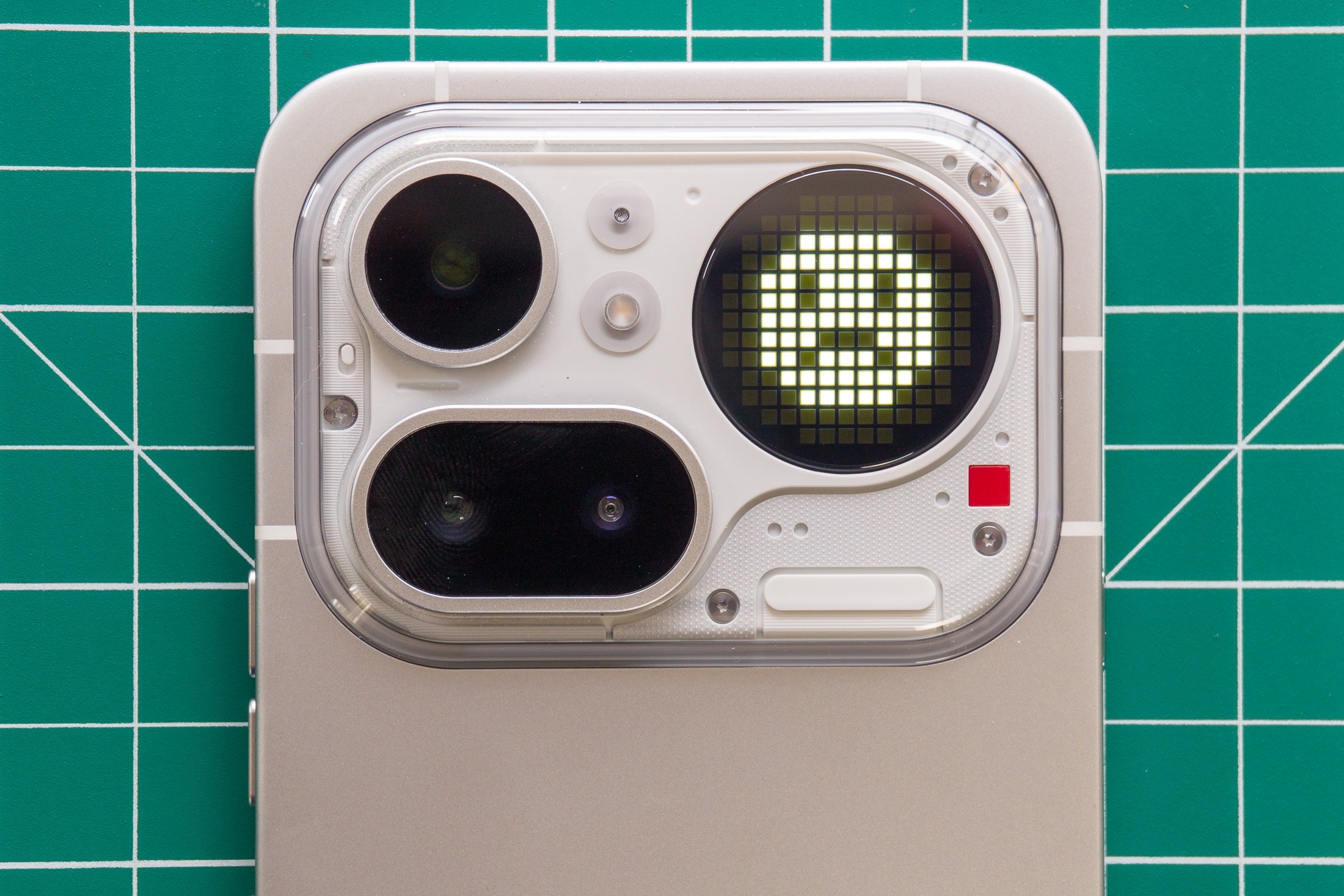
Nothing Technology’s Phone 4A offers a clear example of how the RAM shortage is squeezing smartphone budgets. Carl Pei revealed the cost of RAM more than doubled twice during development. Initially manageable, these spikes pushed RAM expenses to over half of the device’s total hardware cost—a sharp increase from previous years. This isn’t limited to niche brands. Giants like Samsung and Google face similar challenges, with memory shortages driving component prices higher across the board. Smartphones now hit the market with price tags up to $100 above their predecessors. That’s a noticeable jump for consumers already weighing their options carefully. Discounts, once a reliable lure during seasonal sales, are shrinking. Retailers and manufacturers have less room to maneuver when the baseline cost of parts climbs so steeply. For buyers, this means fewer deals and a shift in how quickly they decide to upgrade. The Phone 4A’s experience underlines a broader trend—RAM scarcity is reshaping smartphone economics and consumer buying habits alike.

Memory Shortage Affecting Top Brands

The global squeeze on RAM supplies has hit smartphone makers hard, reshaping their cost structures. Memory chips now account for more than half of a device’s hardware expenses—a sharp rise from previous years. This shortage isn’t limited to niche players; giants like Samsung and Google are also grappling with it. Nothing’s Phone 4A saw RAM prices double twice during development, forcing adjustments in budgets and retail pricing. This isn’t a short-term blip. The memory bottleneck has persisted long enough to disrupt typical pricing strategies across the industry. Higher component costs translate directly into steeper retail prices—sometimes $100 or more above what consumers might expect based on past models. Meanwhile, seasonal discounts and promotional offers have thinned out, further squeezing buyers. The shortage’s ripple effects extend beyond numbers. It’s nudging consumers to rethink upgrade timing and value, as the cost-benefit equation shifts under these new pressures. Affordability is less about sticker price and more about balancing immediate needs against a market tightening its grip on supply.

Higher Prices and Fewer Discounts for Consumers

The surge in RAM costs is reshaping the smartphone market in real time. Consumers now face steeper price tags, with some models costing up to $100 more than their predecessors. This isn’t a subtle nudge upward—discounts, especially seasonal ones, are thinning out. Retailers and manufacturers are tightening margins because raw material expenses leave little room for cuts. Carl Pei’s experience with the Nothing Phone 4A illustrates the ripple effect clearly. Twice during development, RAM prices doubled, forcing adjustments that ended up in the final retail price. That pattern isn’t isolated; giants like Samsung and Google face the same pressures. The result is a market where waiting for deals might no longer pay off. Buyers may reconsider timing and expectations. Some might buy sooner despite higher costs, fearing prices will climb further or discounts vanish. Others could delay purchases, but with fewer sales incentives, the overall cost barrier grows. Mid-range devices, often the sweet spot for many consumers, are feeling the pinch. The knock-on effect could slow refresh rates or push buyers toward older models and less RAM-intensive options. The memory crunch is more than a supply chain hiccup. It’s changing how consumers budget for phones and how companies price them—effects likely to persist beyond the current shortage.
Ссылка на первоисточник