
New Parents and Romantic Love: A Shift
Romantic love often takes a hit after a couple welcomes a child. Research shows many new parents feel a noticeable drop in affectionate feelings toward their partner during the first year postpartum. This isn’t just anecdotal—it’s a common pattern linked to the intense demands and shifting priorities that come with caring for a newborn.
The change can catch couples off guard, especially when the exhaustion and stress pile up. It’s not about fading affection but rather how the new roles and responsibilities reshape emotional dynamics. Understanding this shift matters because it’s a phase, not a permanent state. Recognizing the dip in romantic love as a natural response helps parents approach their relationship with more patience and realistic expectations.
The First Year’s Emotional Challenges
The first year after childbirth often brings unexpected emotional turbulence for couples. Research shows that romantic love tends to dip during this period. New parents face intense demands—sleep deprivation, shifting priorities, and the relentless focus on the newborn. These factors strain the couple’s connection, making it harder to maintain the same level of intimacy and affection as before.
Hormonal changes also play a role. For mothers, fluctuations in oxytocin and estrogen can affect mood and bonding patterns. Fathers experience their own hormonal shifts, including drops in testosterone, which may influence emotional engagement. These biological changes intertwine with lifestyle stressors, creating a complex emotional landscape.
Not every relationship follows the same path, but many couples notice this decline in romantic feelings within the first six to twelve months. The drop isn’t necessarily permanent. For some, love rebounds as partners adjust to their new roles and find time to reconnect. Others struggle longer, especially if communication breaks down or support systems are weak.
Understanding these challenges early can help couples manage expectations. Awareness that this phase is common—and often temporary—can reduce anxiety and blame. It also highlights the importance of deliberate efforts to nurture the relationship, even amid parenting pressures.
What Research Reveals About Relationship Changes
Research consistently shows that romantic love often dips after couples welcome a child. This isn’t just anecdotal; studies track a marked decline in feelings of passion and closeness within the first year postpartum. The shift isn’t about the partners themselves changing but largely stems from the overwhelming demands of newborn care—sleep deprivation, stress, and shifting priorities take a toll. Hormonal changes in both parents, especially mothers, also play a role, influencing mood and emotional connection.
Importantly, this decline is common but not fixed. Many couples report rekindling their bond as they adjust to their new roles. The initial drop in romantic feelings doesn’t signal relationship failure; it’s more a reflection of the intense transition new parents face. Recognizing this pattern helps normalize the experience and sets realistic expectations.
Researchers highlight that communication and mutual support during this period can mitigate the strain. Still, the complex interplay of biological, psychological, and social factors means every couple’s experience is unique. The takeaway: love may ebb temporarily, but understanding why can guide parents through the turbulence.
Navigating Intimacy and Parenthood
The dip in romantic feelings after childbirth isn’t a sign of failure—it’s a predictable phase many couples face. Recognizing this can ease the pressure on new parents juggling sleepless nights and shifting priorities. When partners expect this change, they’re better equipped to communicate openly and avoid misreading distance as rejection.
For healthcare providers and counselors, these insights highlight the need to address relationship health alongside physical recovery. Integrating relationship guidance into postpartum care could help couples anticipate challenges instead of reacting to them. It might also reduce the risk of long-term dissatisfaction or separation.
On a practical level, carving out small moments for connection—even brief conversations or shared routines—can sustain intimacy when time and energy are scarce. Couples who understand that their romantic bond may temporarily shift often find it easier to support each other through the adjustment.
Workplaces and policymakers might also take note. Parental leave policies that allow partners time to adjust together could indirectly support relationship stability. Recognizing that emotional recovery is part of new parenthood might encourage more holistic approaches to family well-being.
These findings don’t offer quick fixes but invite a more compassionate, realistic view of love’s evolution in early parenthood. That perspective alone can make a difference in how couples navigate this demanding, transformative time.

Global Digests News delivers timely, credible coverage of world affairs, politics, economy, and technology to keep you informed on today’s top stories.

AI Advances in Flood Forecasting
Google’s open-source AI hydrology framework offers customizable flood forecasting powered by LSTM networks. Validated with Czech data, it b…

EVA-Bench Data 2.0 Expands Enterprise Voice Agent Testing
EVA-Bench Data 2.0 broadens enterprise voice agent evaluation with three new domains—airline customer service, IT service management, and h…

Tech Sovereignty in Europe: Shifting Away from US Solutions
Europe is pushing to reduce dependence on US technology through the European Tech Sovereignty Package. Leading research bodies like France’…

Andreessen Claims AGI Has Arrived, Sparking Industry Debate
Marc Andreessen told Joe Rogan that AGI was reached in early 2026 by models like GPT-5.5 and Gemini 3.0. OpenAI’s Sam Altman remains cautio…
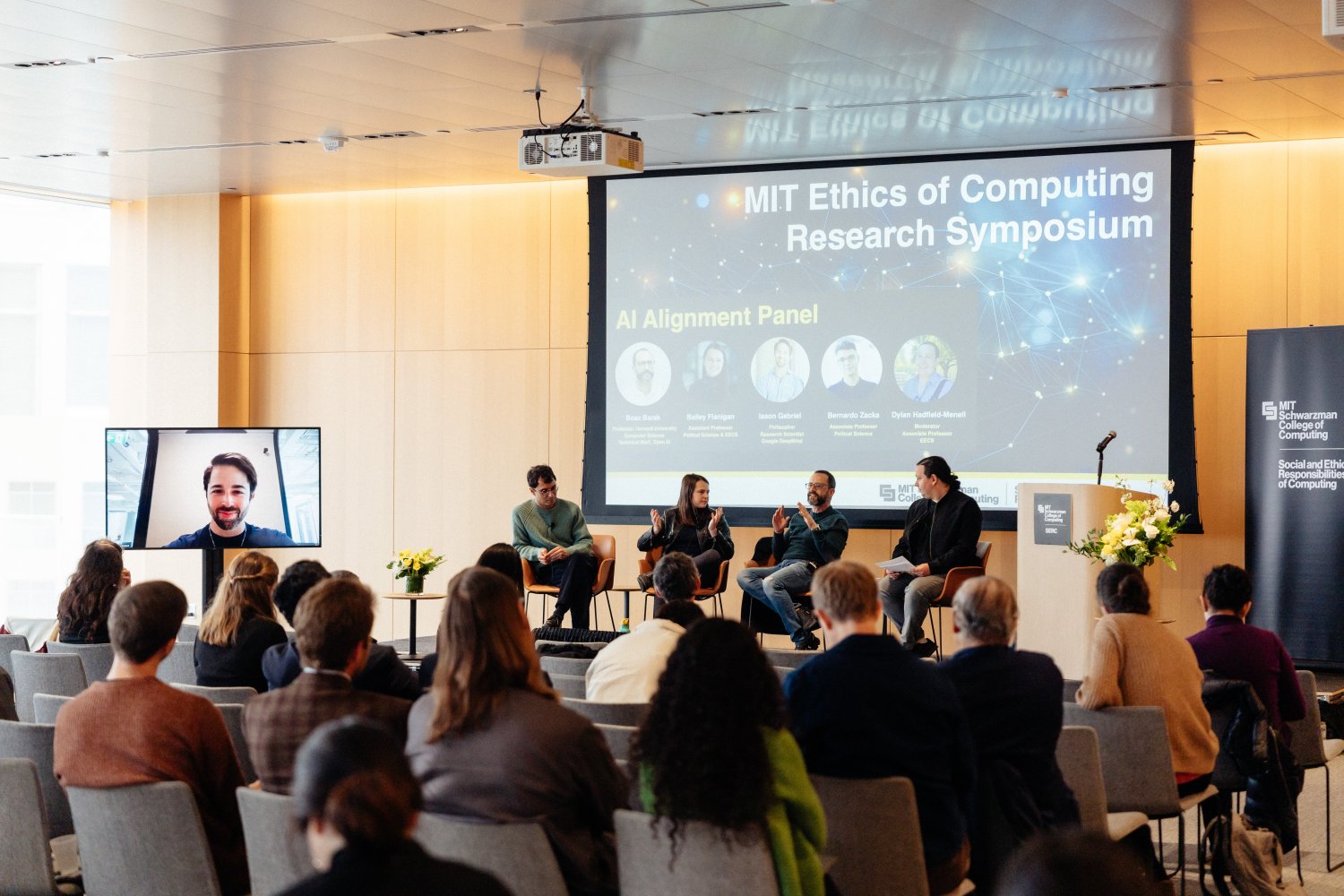
Human Judgment Remains the Linchpin in AI Ethics, MIT Symposium Shows
The MIT Ethics of Computing Research Symposium emphasized that AI can’t navigate ethics alone. Experts highlighted the challenge of alignin…

Early Literacy Gains in Summer: Everyday Moments That Matter
Summer’s unstructured days are fertile ground for early literacy growth. Simple daily interactions—talking, singing, reading signs—build la…

Reid Hoffman Leaves Microsoft Board to Lead AI Drug Discovery Startup Manus
Reid Hoffman steps down from Microsoft’s board after ten years to focus on Manus, an AI-driven drug discovery startup targeting cancer trea…

AI and Fundamental Physics: NSF Renews Support for IAIFI
The National Science Foundation has expanded funding for MIT’s Institute for Artificial Intelligence and Fundamental Interactions, advancin…