Pope Leo XIV’s Warning on AI’s Societal Impact
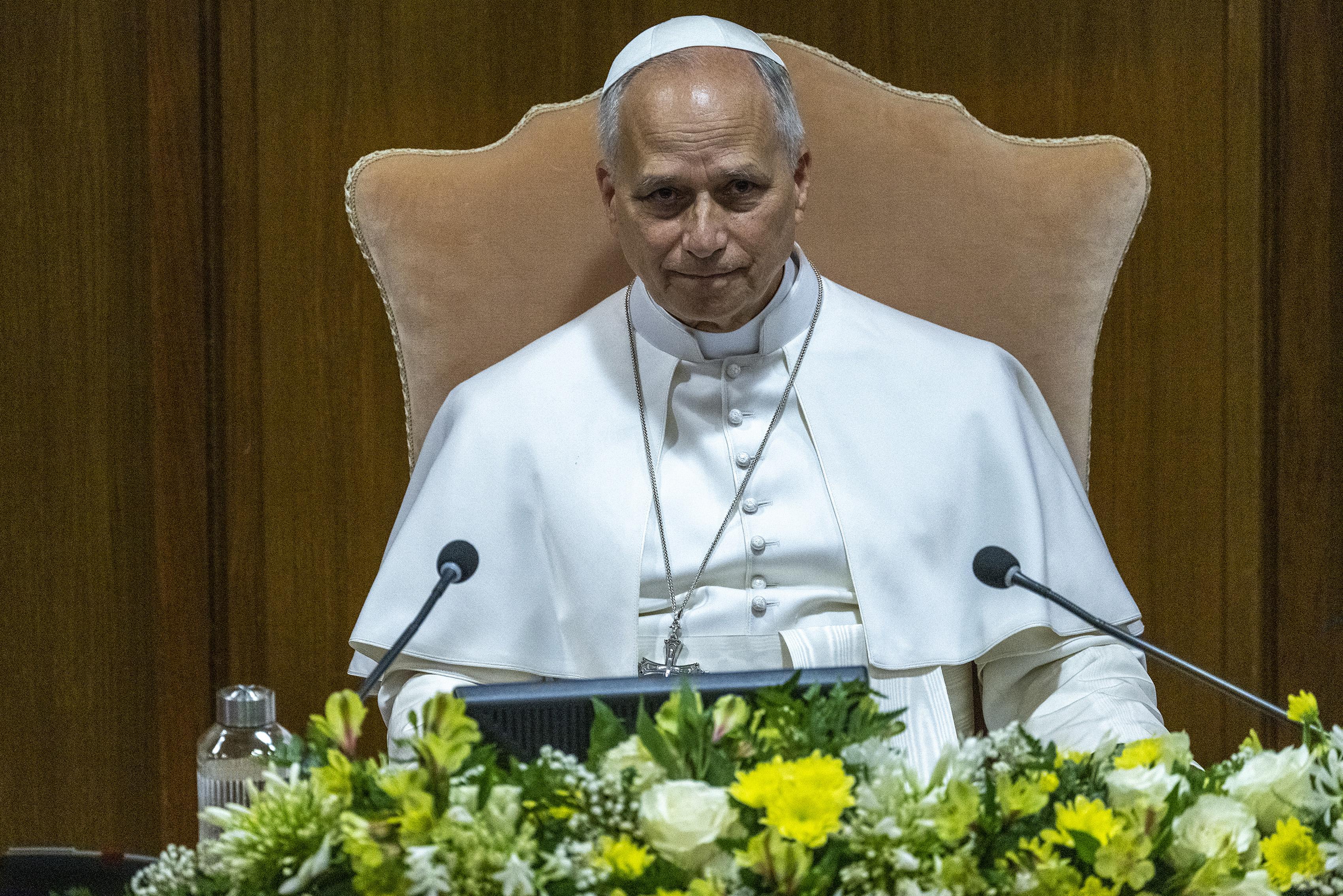
Pope Leo XIV has issued a stark call on artificial intelligence, framing it as a force reshaping society with profound risks. His encyclical, titled *Magnifica Humanitas*, demands urgent ethical and legal frameworks to govern AI’s rapid advance. The pope warns that without careful oversight, AI could fuel warfare, accelerate job losses, and entrench excessive control by technology.
This isn’t a distant caution but a pressing challenge. The document underscores transparency and human-centered governance as essential. It pushes back against blind faith in machines, insisting that human intelligence, conscience, and freedom must remain paramount. The pope’s message cuts across policymakers, industry leaders, and citizens alike: AI’s promise must not come at the expense of humanity’s dignity or social stability.
Core Messages from the Encyclical
Pope Leo XIV’s encyclical, *Magnifica Humanitas*, lays out a clear, urgent message about AI’s growing role in society. He stresses the need for robust ethical and legal frameworks to govern AI development and deployment. The document highlights risks that have already begun to manifest, such as AI-driven warfare escalating conflicts and automation threatening widespread job displacement.
Transparency must be non-negotiable. AI systems shouldn’t operate as black boxes; human oversight is essential to ensure accountability. The pope calls for moral responsibility at every stage—from design to implementation—emphasizing that technology cannot override human conscience or freedom.
Worker protections get special attention. Governments and industries must invest in retraining and education programs. Preparing people for a future where AI changes the nature of work is critical. The encyclical also advocates for AI literacy among children, framing it as necessary to equip the next generation for ethical engagement with technology.
Throughout, the pope prioritizes human intelligence and ethical judgment over mere technological advancement. The message is clear: AI must serve humanity, not replace or control it. He calls on policymakers, industry leaders, and civil society to coordinate efforts and safeguard human dignity.
Why the Church is Engaging with AI Ethics
The Catholic Church’s engagement with AI ethics isn’t new, but Pope Leo XIV’s recent encyclical sharpens the focus. For decades, the Church has weighed in on emerging technologies, emphasizing human dignity and moral responsibility. Now, with AI’s rapid advance reshaping work, warfare, and social structures, the Church sees an urgent need to speak out.
This isn’t about opposing technology outright. Instead, the Church frames AI as a powerful tool demanding careful stewardship. The encyclical reflects longstanding concerns about protecting vulnerable populations and preserving human freedom amid technological change. It aligns with the Church’s tradition of advocating ethical frameworks in science and innovation.
Pope Leo XIV’s call for transparency, human oversight, and education echoes the Church’s mission to guide society through moral challenges. The document highlights how AI’s risks—job displacement, automated violence, and loss of privacy—can undermine social justice and human flourishing. By entering this debate, the Church aims to influence policymakers and industry leaders to embed ethics into AI development.
The Church’s involvement signals recognition that AI’s impact goes beyond technical or economic dimensions. It touches on what it means to be human—intelligence, conscience, freedom. This ethical lens shapes the insistence that AI serve humanity, not replace it.
Challenges and Calls to Action
The pope’s encyclical isn’t just a moral appeal—it exposes concrete challenges AI poses to society. Job displacement tops the list. As automation speeds up, millions risk losing livelihoods without clear safety nets or retraining. The call for worker protections demands urgent policy responses matching AI’s pace.
Then there’s AI-driven warfare. The document warns against delegating lethal decisions to machines, exposing a chilling accountability gap. This raises urgent questions about international law and the need for binding regulations to prevent unchecked escalation.
Transparency and human oversight are non-negotiable. AI’s opacity threatens democratic values when life-altering decisions happen behind closed algorithms. The pope stresses moral responsibility, pushing for systems accountable to human conscience, not just efficiency.
Education also takes center stage. Preparing younger generations to navigate AI’s ethical and practical realities is vital. This isn’t just about coding skills but fostering critical thinking about technology’s role in society.
For industry and policymakers, the message is clear: AI integration must prioritize human dignity over profit or speed. The encyclical challenges leaders to embed ethics into AI development now, not as an afterthought. Without this, risks—from social fragmentation to loss of freedom—grow harder to reverse.
Global Digests News delivers timely, credible coverage of world affairs, politics, economy, and technology to keep you informed on today’s top stories.