Peacock’s Microdrama Launch

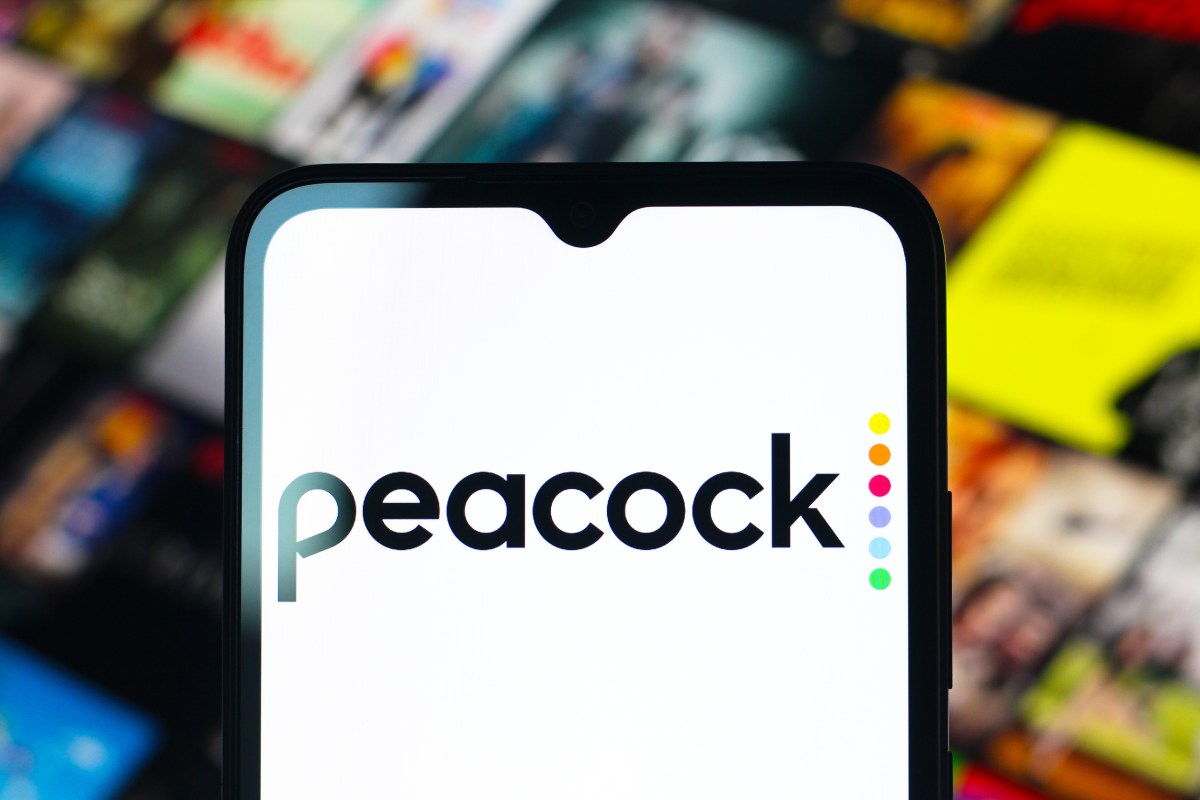
Peacock has officially launched its microdrama series, partnering with Bravo to tap into an existing subscriber base rather than building from scratch. This move isn’t a shot in the dark—microdramas have already proven their worth. ReelShort, for example, pulled in $1.2 billion in consumer spending last year, doubling its revenue from 2024. Peacock’s microdramas run 60 to 90 seconds, designed for vertical viewing on mobile devices, mirroring the format that dominates TikTok and Instagram Reels. By leaning on Bravo’s recognizable IP and talent, Peacock aims to attract younger viewers who prefer bite-sized storytelling. The question now: will this spark a wave of similar content strategies across other major streamers?

Bravo’s Role and Strategy

Bravo is central to Peacock’s microdrama strategy. The network’s existing subscriber base offers a ready-made audience, reducing the risk of launching new content with no built-in viewers. This move isn’t just about tapping into Bravo’s catalog; it’s about leveraging familiar faces and storylines to draw in younger viewers accustomed to quick, vertical video formats. Peacock’s partnership with Bravo kicked off in early 2026, with production ramping up on unscripted microdramas designed specifically for mobile consumption. Episodes run between 60 and 90 seconds, matching the vertical video style popularized by TikTok and Instagram Reels. This format aligns with how younger audiences engage with content—fast, snackable, and easily shareable. By using Bravo’s established IP and talent pool, Peacock sidesteps the cold-start problem that plagues many new streaming ventures. Rather than building from scratch, the service repackages and reimagines Bravo’s reality TV DNA into a format that fits current digital consumption habits. This approach also signals a higher production value compared to standalone microdrama apps, which often rely on formulaic content to drive volume. The timeline is aggressive. Peacock aims to roll out multiple microdrama series throughout 2026, testing audience engagement and retention. If successful, this could prompt other major streamers to adopt similar tactics within the next year or so, shifting how serialized storytelling is delivered across platforms.

Market Trends in Microdramas

Microdramas have surged from niche experiments to a bona fide market force. ReelShort’s $1.2 billion in consumer spending last year, nearly doubling from 2024, underscores how bite-sized storytelling appeals to viewers conditioned by TikTok and Instagram Reels. These short, 60-to-90-second vertical videos fit neatly into existing social media habits, making them easy to consume and share. Unlike bulk content churned out by apps like DramaBox, the format’s success hinges on recognizable characters and quality production to keep audiences hooked. Peacock’s strategy to tap Bravo’s loyal subscriber base is a clever workaround to the cold-start problem that often plagues new content formats. By leveraging Bravo’s established IP and talent, Peacock isn’t just throwing microdramas into the void; it’s anchoring them in a familiar ecosystem. This approach signals a shift in how streamers might approach content innovation—favoring curated, branded micro-content over generic volume. If Peacock’s move gains traction, it could prompt a wave of similar bets from other major players within the next year or so.

What This Means for Streaming

Peacock’s move sends a clear message: microdramas aren’t just a niche experiment anymore. By tapping Bravo’s loyal audience and proven IP, Peacock avoids the typical pitfalls new formats face, like building a fanbase from scratch. This reduces risk and speeds up adoption, especially among younger viewers already glued to TikTok and Reels. For the streaming market, it’s a test case in blending short-form storytelling with established content brands. If Peacock’s microdramas gain traction, other streamers will likely scramble to launch their own versions. The format’s success on platforms like ReelShort, with $1.2 billion in consumer spending last year, underscores its commercial viability. This could reshape content strategies, pushing streamers to balance long-form originals with bite-sized series that fit mobile-first viewing habits. For viewers, it means more options tailored to quick consumption without sacrificing narrative depth. But for the industry, it raises questions about how traditional subscription models will adapt. Will microdramas drive new subscriber growth, or mainly serve as engagement boosters for existing users? The answer will shape the next wave of streaming innovation—and Peacock’s gamble might offer an early clue.
Ссылка на первоисточник
The next chapter in flood resilience: Open sourcing Google’s hydrology framework
Science & Tech

AI Advances in Flood Forecasting

Google’s open-source AI hydrology framework offers customizable flood forecasting powered by LSTM networks. Validated with Czech data, it b…