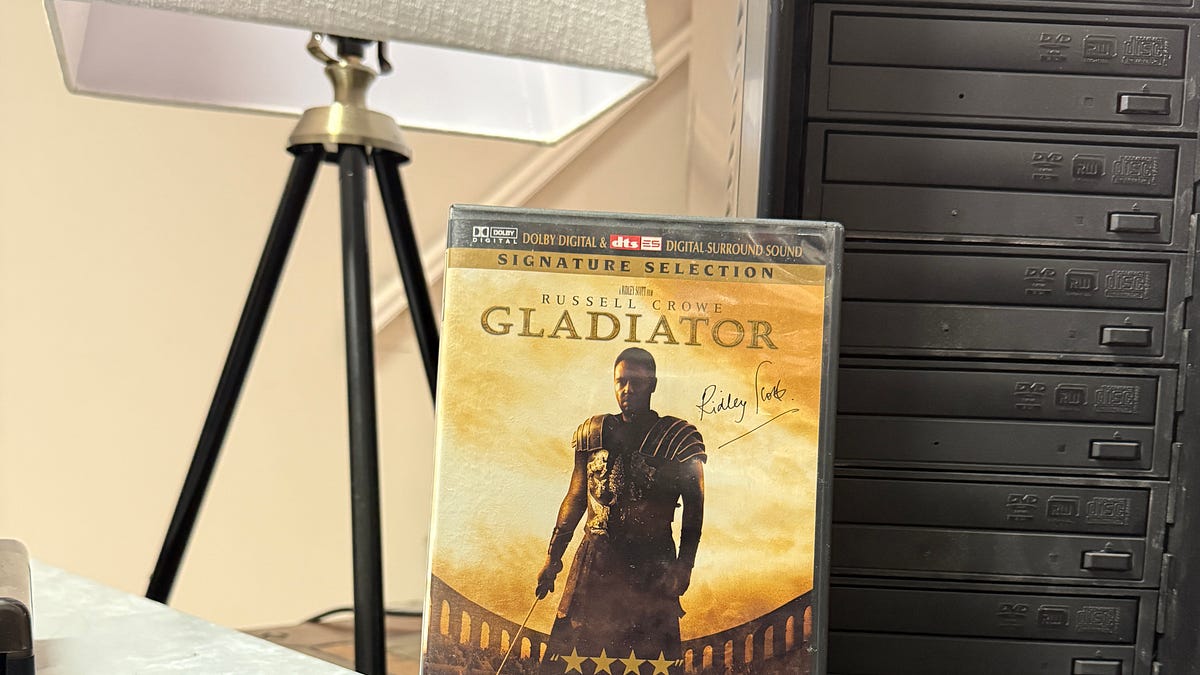
From Federal Crime to Consumer Ease: A 1999 Media Duplication Snapshot

In 1999, duplicating digital media wasn’t just tricky—it was outright illegal under federal law. Copying a DVD or CD meant navigating a maze of specialized hardware and software, often operating in legal gray zones or outright violating the law. The barriers weren’t just technical; they were enforced by a patchwork of digital rights management (DRM) schemes baked into the discs themselves, designed to make ripping or copying nearly impossible for the average user. Fast forward to today, and the landscape couldn’t be more different. Consumer-grade drives and free, user-friendly tools like MakeMKV have turned once complex processes into routine tasks. The shift isn’t just about convenience; it reflects a fundamental change in how hardware and software interact with copy protection. What was once a federal crime under strict DRM enforcement now feels like a casual click. This transformation raises questions about the relevance of old legal frameworks and the future of digital media control.

How DVD Ripping Reveals Legacy DRM and Hardware Policies

DVD ripping today exposes the tangled layers of legacy DRM and hardware policies that once defined digital media protection. Back in the late 1990s and early 2000s, DVDs carried embedded software designed to enforce strict copy controls. These DRM systems weren’t just simple encryption—they included complex, sometimes clunky software routines baked into the discs themselves. This made ripping anything more than a casual task, often requiring specialized knowledge and tools. Hardware played a crucial role in enforcing these restrictions. Enterprise-level DVD drives, which were expensive and aimed at professional duplication markets, often refused to read commercial DVDs if they detected attempts to bypass copy protection. These drives had firmware locked down to block unauthorized access, effectively creating a hardware barrier alongside the software DRM. Meanwhile, cheaper consumer-grade DVD drives typically lacked such stringent firmware checks. They read discs more freely, inadvertently enabling easier ripping. This divergence in hardware policies created a curious split. The professional-grade equipment was designed to prevent copying at all costs, reflecting the legal and commercial priorities of the time. Consumer drives, by contrast, prioritized compatibility and ease of use, which eventually became a loophole in the copy protection ecosystem. Over time, as ripping tools like MakeMKV emerged and consumer drives became more capable, these hardware restrictions grew less effective. The legacy DRM embedded in DVDs, combined with restrictive firmware in professional drives, reveals a snapshot of an era when media duplication was tightly controlled by layered technical and legal mechanisms. But as ripping software advanced and consumer hardware outpaced enterprise restrictions, these barriers began to erode. The result is a landscape where old DRM schemes still linger on discs, but their practical power has diminished, reshaping how digital media duplication is approached today.

Tracing Two Decades of Media Duplication and DRM Evolution

The landscape of media duplication and digital rights management (DRM) has transformed dramatically since the late 1990s. Back then, copying a DVD was not only technically challenging but legally fraught—often classified as a federal crime. The hardware involved was specialized and costly, designed to enforce strict copy protection measures. These enterprise-grade DVD drives frequently refused to read commercial discs outright, embedding a form of hardware-level DRM that was difficult to circumvent. Software tools, if available, were expensive and often unreliable, requiring a level of technical skill beyond the average consumer. Fast forward to today, and the scene is almost unrecognizable. Consumer-grade DVD drives no longer enforce such tight restrictions; they read commercial discs without the same hardware-level gatekeeping. Meanwhile, software like MakeMKV offers free, user-friendly ways to rip content quickly and reliably. This shift owes much to both hardware evolution and the gradual erosion of legacy DRM systems embedded in discs. Those old protections, once a formidable barrier, are now routinely bypassed with off-the-shelf tools. This transition reveals how legal frameworks and technological designs have interacted over time. The original intent was clear: to prevent unauthorized copying through a combination of hardware restrictions and complex software. Yet, the market’s demand for ease of use and the rise of open, accessible ripping tools have steadily undermined those controls. The result is a media duplication environment that prioritizes consumer convenience, often at the expense of traditional DRM enforcement. Understanding this background is crucial for grasping current debates around digital content protection. It highlights the tension between protecting intellectual property and adapting to evolving technology and consumer behavior. The story of media duplication over the past two decades is one of shifting power—from rigid, hardware-enforced DRM to flexible, software-driven access—reflecting broader trends in digital media consumption and control.

What the Erosion of Copy Protection Means Today

The erosion of copy protection isn’t just a technical footnote—it reshapes how consumers, content creators, and industries interact with digital media. For users, the shift means access to personal backups and format flexibility without jumping through legal hoops or wrestling with proprietary hardware. Tools like MakeMKV have democratized media duplication, turning what was once a specialized, costly process into something anyone with a modest computer can attempt. This accessibility challenges traditional DRM’s role as a gatekeeper. On the industry side, the fading grip of legacy DRM and restrictive hardware policies forces a rethink. Studios and distributors can no longer rely on clunky, hardware-enforced copy barriers to control distribution. Instead, many have pivoted toward streaming platforms and subscription models, where control shifts from physical media to networked access. This transition reflects a broader adaptation to consumer expectations shaped by convenience and immediacy. Policy and legal frameworks also face pressure. Laws crafted when copying DVDs was a federal crime now seem out of sync with today’s realities. Enforcement becomes trickier as the technical means to bypass protections grow more widespread and user-friendly. This dynamic raises questions about the balance between protecting intellectual property and acknowledging fair use or personal ownership rights. The decline of rigid copy protection quietly admits that technology and consumer behavior evolve faster than laws and legacy systems can keep pace. For anyone involved with digital media—whether producing, distributing, or consuming—the landscape demands new strategies grounded in this changed environment.

Practical Insights on Media Duplication Trends and Challenges

The story of media duplication over the past two decades boils down to one clear takeaway: what once demanded expensive gear and intricate workarounds now fits into a laptop and a free app. For anyone curious about the practical side of this shift, it means the barriers to copying DVDs and similar media have largely crumbled—not because laws have softened, but because the technology has outpaced them. Consumer hardware no longer enforces strict copy restrictions as enterprise drives did, and software tools have become both more powerful and more accessible. This isn’t just about convenience; it reshapes how we think about ownership and control of digital content. For everyday users, the lesson is straightforward: if you want to archive or convert your legally purchased DVDs, the tools are there and they work with surprisingly little fuss. But that ease also means the old models of copy protection are effectively obsolete. Content creators and distributors face a landscape where technical enforcement is weak, pushing the conversation toward legal and business strategies rather than hardware-based locks. Still, the situation isn’t entirely free-for-all. Some legacy DRM tricks linger on discs, and not all hardware behaves identically. But the general trend points to a digital media environment where copying is no longer a federal crime requiring specialized intervention—it’s something anyone with a computer and the right software can do. Understanding this helps demystify the ongoing debates around digital rights and highlights why the industry’s focus has shifted away from hardware restrictions toward new approaches.
Ссылка на первоисточник
Cybersecurity

Tech Digest: Nvidia’s New CPU System

Nvidia is developing a high-performance CPU system aimed at Windows PCs, blending GPU expertise with CPU design to tackle complex workloads…