Headless Systems Redefining AI Interactions
The shift to headless systems marks a fundamental change in how AI agents engage with software. Instead of relying on graphical user interfaces, these systems expose APIs and protocols—like the Model Context Protocol (MCP)—that let AI interact directly with backend services. This isn’t just a tweak; it rewrites the rules of engagement between machines and software.
Salesforce’s Headless 360 exemplifies this trend, stripping away the traditional browser layer to empower AI agents with seamless, real-time access to complex workflows. For businesses, it means AI can act autonomously within digital ecosystems, making decisions and executing tasks without human intervention. The implications ripple through everything from user experience design to security frameworks, demanding a rethink of how software and AI coexist.
From Simulated to Autonomous AI Agents
The evolution from simulated AI agents—those confined to controlled environments or limited interfaces—to autonomous agents operating within headless systems marks a fundamental shift. Around 2023, major players began deploying AI agents capable of direct software interaction via APIs, bypassing traditional user interfaces entirely. This leap allows agents to execute tasks, make decisions, and adapt in real time without human mediation.
Salesforce’s introduction of Headless 360 exemplifies this transition. Instead of relying on browsers or graphical interfaces, their system enables AI agents to engage with backend services through protocols like the Model Context Protocol (MCP). MCP standardizes how AI agents request and exchange contextual data, enabling more fluid and context-aware interactions. This protocol emerged as a critical enabler, moving AI from scripted simulations toward genuine autonomy.
The timeline is tight. By late 2023, several startups and established firms had integrated MCP or similar standards, pushing AI agents out of sandboxed simulations into operational roles across customer service, supply chain management, and even cybersecurity defense. These agents now act as primary users of software systems, not just tools operated by humans.
This shift raises new challenges. Autonomous agents must navigate complex software ecosystems with minimal oversight. The ability to act independently means traditional security models—built around human users—no longer suffice. Verification mechanisms such as DNS-AID and DNSSEC have become essential to establish trustworthiness and prevent malicious impersonation of AI agents.
The move from simulated to autonomous AI agents isn’t incremental. It redefines the interface itself—software no longer waits for clicks or typed commands but listens and responds to AI-driven instructions. It’s a quiet revolution happening beneath the surface of many enterprise systems, one that will reshape how businesses design, secure, and deploy their software infrastructure.
Security Challenges in Headless Architectures
Headless architectures discard the familiar graphical interface, letting AI agents communicate directly with backend systems via APIs and protocols like the Model Context Protocol (MCP). This shift strips away the traditional human-in-the-loop checkpoint, raising the stakes for security. Without a user interface to mediate interactions, every command, request, or data exchange happens programmatically—often in real time and at scale.
This direct pipeline opens new attack surfaces. Automated agents, if compromised, can execute harmful actions swiftly and stealthily. The absence of visual cues or manual approval steps means malicious activity might go unnoticed longer. Traditional security models built around user authentication and interface controls struggle to keep pace.
Trust mechanisms must evolve. Techniques like DNS-AID and DNSSEC aim to authenticate AI agents and their communications, but these are still maturing in deployment and integration. Ensuring that only verified agents can access sensitive systems is critical, yet challenging when agents act autonomously and continuously.
Moreover, the complexity of headless ecosystems complicates monitoring and incident response. Logs and telemetry need to capture granular agent behaviors without overwhelming security teams. Businesses face a balancing act—enabling seamless AI-driven workflows while guarding against novel threats that exploit this new architectural freedom.
These challenges demand fresh thinking about identity, authorization, and anomaly detection in a world where AI agents are not just users but active participants in software ecosystems. Security can no longer rely on familiar checkpoints; it must embed itself into the very protocols and APIs that headless systems depend on.
Business Strategies for AI-Driven Commerce
Businesses face a stark choice: adapt or risk obsolescence. As AI agents replace human users on the front lines of commerce, companies can no longer rely on polished interfaces alone. Headless systems demand a rethinking of customer engagement—now, the “customer” is code, not a person clicking buttons. This shift forces firms to redesign backend processes for seamless API interactions and to ensure their data models are precise and accessible.
Security takes on new urgency. Autonomous AI agents operate with minimal oversight, increasing the attack surface. Firms must integrate robust identity verification protocols like DNS-AID and DNSSEC to establish trust at the machine level. Without these safeguards, malicious actors could exploit AI-driven workflows, causing reputational and financial damage faster than traditional breaches.
Operationally, businesses will need to invest in monitoring tools that track AI agent behavior in real time. Traditional metrics focused on user experience won’t suffice. Instead, anomaly detection tuned for algorithmic patterns becomes critical to prevent unintended consequences or manipulation.
On the market side, companies that master headless architectures stand to gain efficiency and scalability. They can onboard new AI partners or services rapidly, automate complex workflows, and reduce friction in digital ecosystems. But those slow to pivot risk losing ground to more agile competitors.
Policy and compliance frameworks will also evolve. Regulators may demand transparency about AI decision-making and data usage in these headless environments. Businesses must prepare for audits that scrutinize not just user-facing interfaces but the invisible API layers driving commerce.
In essence, the rise of AI-driven commerce via headless systems rewrites the rules. Success hinges on embracing new technical standards, fortifying security at the protocol level, and reorienting business models toward machine-to-machine trust and interaction. The question is no longer whether companies will adopt headless AI, but how quickly they can transform to compete.
Common Questions on Headless AI Systems
A headless system separates the backend processes from the user interface entirely. Instead of a human clicking through menus, AI agents communicate directly with software via APIs. This means commerce platforms can operate without traditional screens, letting autonomous agents handle tasks like ordering or inventory updates.
How does the Model Context Protocol (MCP) improve AI agent interactions?
MCP standardizes how AI agents exchange information with software, providing context-rich communication beyond simple commands. It enables agents to understand state, intent, and environment details, reducing errors and making interactions more efficient and reliable.
What are the main security risks with AI agents acting autonomously?
Autonomous AI agents can become attack vectors if compromised. They may execute unintended transactions, leak sensitive data, or manipulate systems without human oversight. The lack of a traditional user interface complicates monitoring, making it harder to detect malicious behavior quickly.
How do DNS-AID and DNSSEC help establish trust for AI agents?
DNS-AID and DNSSEC introduce cryptographic verification into domain name systems, ensuring that AI agents connect to legitimate services. They prevent spoofing and man-in-the-middle attacks by authenticating the identities of interacting parties, which is critical when agents operate without human validation.

Global Digests News delivers timely, credible coverage of world affairs, politics, economy, and technology to keep you informed on today’s top stories.
Digest: BitBoard AI-Powered Dashboard and Reporting Tool
BitBoard combines AI chat and coding agents to build dashboards that connect live data and manual inputs. It stores queries and scripts for…

Cloudflare’s Acquisition of VoidZero: Navigating Risks in JavaScript Tooling
Cloudflare’s acquisition of VoidZero brings popular open-source tools like Vite under corporate control, raising questions about ecosystem…

Media Duplication and DRM Evolution: Insights from Patrick Quirk
Copying digital media has shifted from a costly, legally fraught process in 1999 to a routine task today. Legacy DRM and hardware restricti…
Tech Digest: Nvidia’s New CPU System
Nvidia is developing a high-performance CPU system aimed at Windows PCs, blending GPU expertise with CPU design to tackle complex workloads…

Bright Data SDK Turns Smart TVs and Mobile Devices into AI Scraping Proxies
Bright Data’s SDK is embedded in many smart TVs and mobile devices, converting them into residential proxy nodes. These always-on devices r…
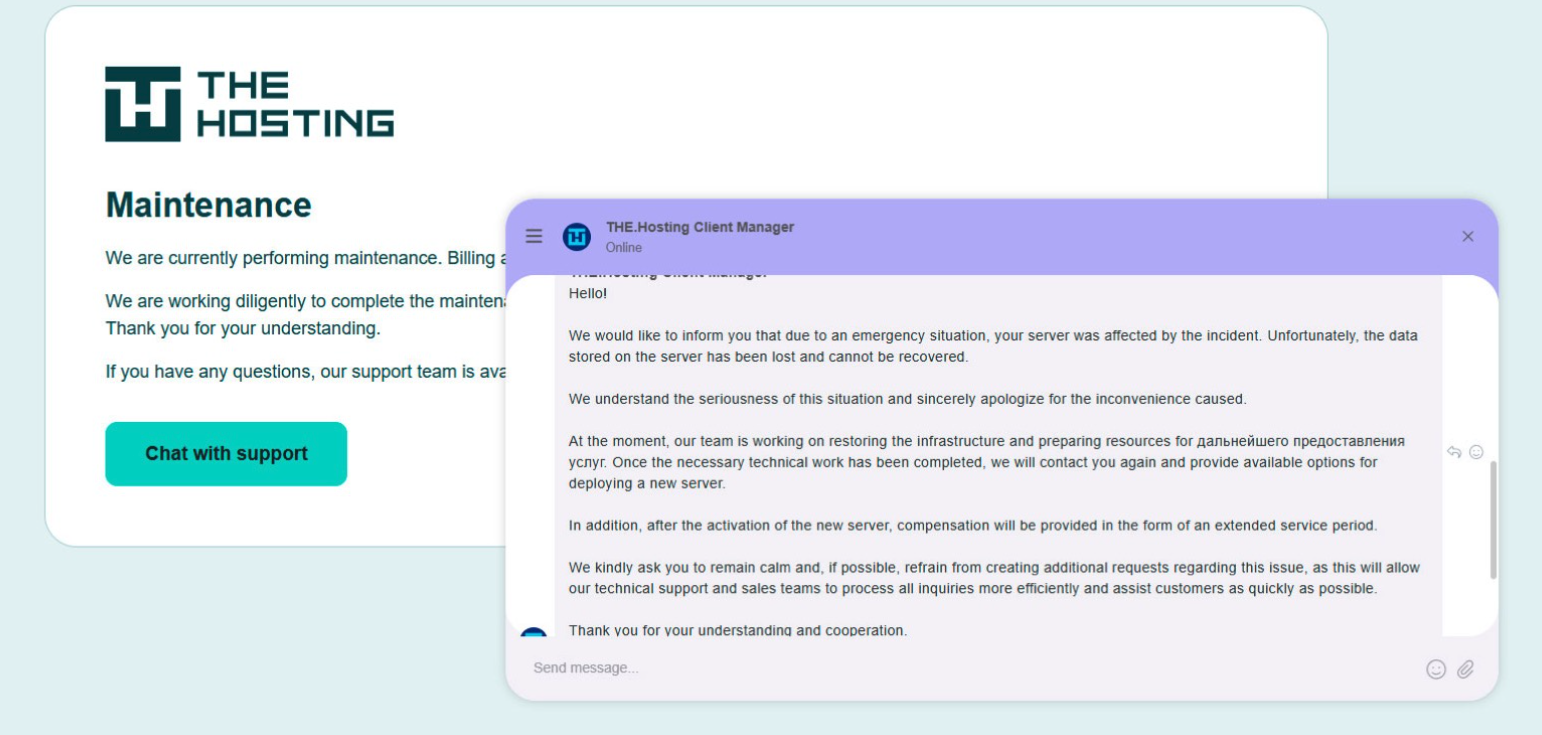
Dutch Authorities Disrupt Cybercrime Network Backing Russian Hybrid Warfare
Dutch law enforcement arrested two men linked to hosting firms supporting Russian cyberattacks inside the EU. Over 800 servers tied to Star…

Cloudflare’s AI Spend Controls Bring Clarity to Cost Chaos
Cloudflare’s new AI Gateway spend controls let companies unify billing and set real-time, granular limits by user, team, model, or provider…

Security Risks Ahead of FIFA World Cup 2026
As FIFA World Cup 2026 approaches, cybercriminals are ramping up scams targeting fans through fake websites, phishing, malicious apps, and…