A Hidden Marine World Comes into Focus

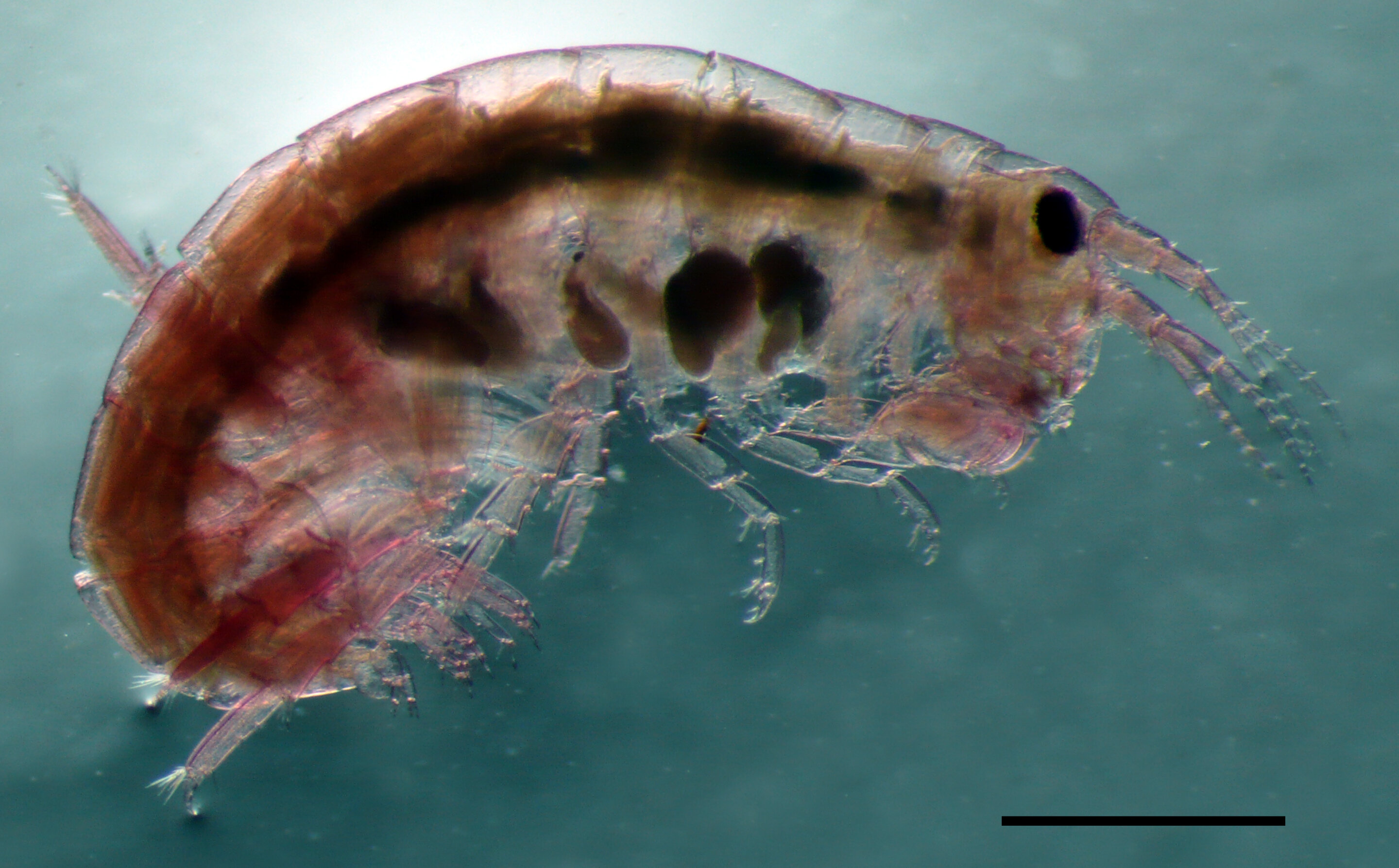
For more than four decades, researchers have pieced together a detailed inventory of marine amphipods in Italian waters, uncovering a surprisingly rich and complex underwater world. The latest compilation lists 302 species scattered across the Adriatic, Tyrrhenian, and Ionian Seas, confirming Italy’s role as a Mediterranean biodiversity hotspot. Amphipods may be small, but their ecological impact is anything but. These crustaceans recycle nutrients and serve as key food for larger marine animals. This extensive dataset catalogs native species and reveals 11 alien amphipods, signaling shifts in the Mediterranean ecosystem likely tied to human activity. Making this data openly accessible is a vital resource for scientists and conservationists tracking these fragile marine communities.

New Species Inventory Reveals Rich Amphipod Diversity

The inventory is the result of more than 40 years of work, drawing on unpublished data, museum collections, and field surveys. Researchers focused on three major basins: the Adriatic, Tyrrhenian, and Ionian Seas. They identified 302 amphipod species, underscoring Italy’s status as a Mediterranean biodiversity hotspot. The list includes common natives and 11 alien species, reflecting ecosystem changes driven by shipping, warming waters, and other human influences. Though tiny, amphipods play outsized roles in coastal ecosystems. They break down organic matter, feed fish and invertebrates, and act as bioindicators of environmental health. This comprehensive inventory offers a baseline to track future ecological shifts. The dataset is openly available through the Global Biodiversity Information Facility, allowing researchers worldwide to monitor species distributions and support conservation strategies amid mounting ecological pressures.

Why Amphipods Matter in Mediterranean Ecosystems

Amphipods may be small, but their role in Mediterranean marine ecosystems is substantial. They break down organic matter, returning nutrients to the water and sustaining the food web that supports fish, seabirds, and other marine life. Their abundance often reflects environmental health, making them valuable bioindicators. In the Mediterranean, amphipods inhabit diverse zones—from shallow coasts to deeper waters—showing adaptability that contributes to ecosystem stability. Italy’s seas, with complex currents and varied substrates, offer rich ecological niches for these species. Tracking which species thrive where helps reveal shifts caused by climate change or human pressures. The presence of alien amphipods signals ongoing ecological change. Invasive species can disrupt food webs and compete with natives, potentially altering nutrient cycling. Early recognition of these patterns is critical for managing Mediterranean biodiversity and safeguarding ecosystem balance. Amphipods are more than small crustaceans; they are essential to maintaining Mediterranean marine ecosystem health and resilience.

Tracking Biodiversity Amidst Environmental Change

This extensive amphipod catalog does more than list species. It sharpens our understanding of marine ecosystem function and response to stressors like climate change and pollution. Amphipods influence nutrient cycling and food webs that sustain larger marine animals. Detecting 11 non-native amphipod species points to shifts in Mediterranean biodiversity, likely driven by shipping, warming waters, and habitat disruption. These invaders can outcompete local fauna or alter ecosystem dynamics, posing challenges for conservation and fisheries management. For policymakers and marine managers, this inventory provides a baseline to monitor biodiversity trends and identify priority areas for protection. Open data access allows scientists worldwide to track changes over time, improving models and response strategies. This could inform targeted marine protected areas or pollution controls focused on amphipod-rich habitats. Fisheries and coastal industries also benefit. Healthy amphipod populations underpin food chains supporting commercially valuable fish. Understanding amphipod distribution helps anticipate fish stock shifts, guiding sustainable harvests. The work highlights the value of long-term biodiversity monitoring combined with transparent data sharing. Without it, subtle but critical ecosystem changes could go unnoticed until larger collapses occur. This inventory is as much an early warning tool as it is a scientific achievement.
Ссылка на первоисточник
The next chapter in flood resilience: Open sourcing Google’s hydrology framework
Science & Tech

AI Advances in Flood Forecasting

Google’s open-source AI hydrology framework offers customizable flood forecasting powered by LSTM networks. Validated with Czech data, it b…