How Lab-Grown Blastoids Mimic Early Embryos
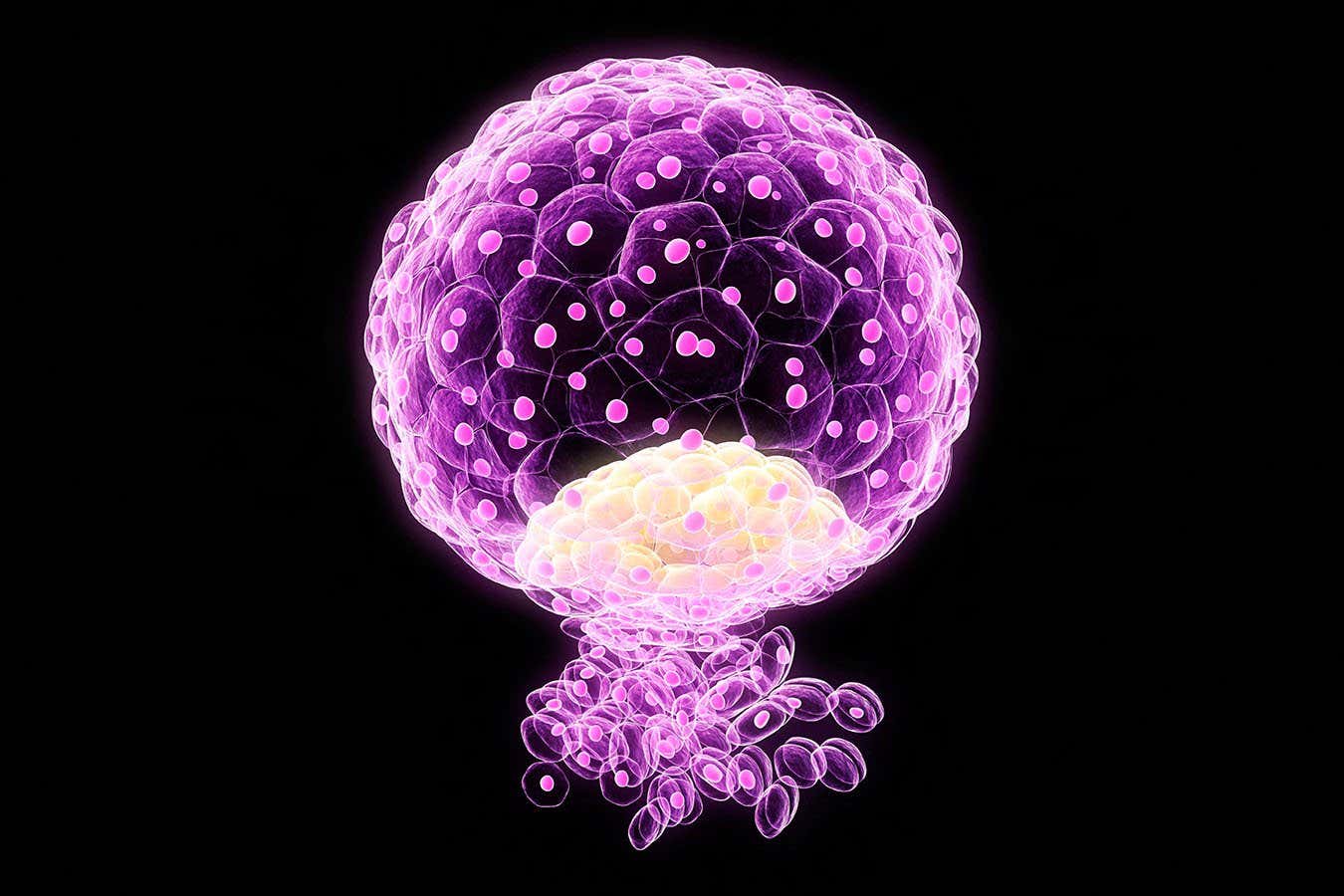
Scientists have engineered blastoids—structures grown from human stem cells—that replicate the earliest stages of embryo development with remarkable fidelity. These lab-grown models recreate the blastocyst, the hollow ball of cells forming about five days after fertilization, which initiates implantation in the uterus. Unlike natural embryos, blastoids develop without sperm or eggs, offering a controllable platform to study early human development while sidestepping many ethical issues.
What sets blastoids apart is their ability to form distinct cell types and attach to uterine cells in vitro. This breakthrough lets researchers observe implantation mechanics in unprecedented detail. It also offers fresh insight into why many pregnancies fail early, since implantation has been notoriously difficult to study directly in humans. Blastoids let scientists dissect the complex dialogue between embryo and uterus, potentially guiding fertility treatment improvements and clarifying causes of pregnancy disorders.
New Insights into Implantation and Pregnancy
Blastoids have cracked open the black box of embryo implantation—a critical but elusive step for pregnancy. By coaxing human stem cells to self-organize into blastoid structures resembling natural blastocysts, researchers can now replicate implantation in the lab without actual human embryos. This advance came swiftly after reliable human blastoids were first produced in 2021 and 2022.
These models mimic the outer cell layer that interacts with the uterus, allowing scientists to test how embryo signals influence uterine cells and vice versa. Early data confirm that implantation success hinges not only on embryo health but also on the uterine environment’s readiness—a suspicion long held but hard to prove.
Researchers have already used blastoids to screen drugs that might boost implantation rates, offering a promising route to enhance IVF outcomes. Gene-editing experiments have pinpointed genes critical for embryo attachment and early development, shedding light on causes of miscarriage and conditions like pre-eclampsia.
The pace is notable: within a few years, labs moved from simply making blastoids to using them in functional studies simulating implantation. Ethical debates persist about how far these models should go, but for now, blastoids provide an unprecedented tool to explore early pregnancy stages that have long resisted direct observation.
Why Studying Implantation Has Been Challenging
Implantation has been a tough nut to crack. It happens deep inside the uterus, out of reach for direct observation. Researchers have relied on animal models or limited human tissue samples, which don’t fully capture human implantation’s complexity. Ethical restrictions bar experiments on actual human embryos during this critical window, creating a major knowledge gap.
This left scientists guessing why so many pregnancies fail early. Implantation depends on a finely tuned molecular dialogue between embryo and uterine lining. Without a reliable way to replicate or observe this exchange in humans, progress stalled.
Blastoids change the game by serving as lab-grown stand-ins that mimic early embryos. They let scientists watch implantation-like events under controlled conditions, bypassing ethical and practical obstacles. This new approach is revealing factors that influence implantation success and failure in ways previously impossible to study.
Potential Advances in Fertility Treatments

Blastoids create a fresh testing ground for fertility treatments, overcoming past ethical and technical limits. By replicating early embryo stages outside the body, researchers can probe why implantation fails—a major cause of infertility and miscarriage. This could lead to more targeted interventions during IVF, potentially raising success rates that have long hovered around 30-40%.
For patients, this means therapies tailored not just to the uterus but to the embryo’s biology. Fertility clinics might soon use blastoid-based assays to screen embryos before transfer, cutting down on trial-and-error cycles. Drug development could also benefit from more precise screening platforms that mimic human implantation, speeding up treatments aimed at improving uterine receptivity or embryo viability.
Regulatory frameworks may need updating as implantation studies expand. Ethical questions around creating embryo-like structures remain complex. Balancing scientific progress with societal values will be crucial as these models edge closer to clinical use.
Blastoids are turning fertility science from a black box into a more accessible system, though real-world impact depends on navigating ethical hurdles and proving clinical benefit through rigorous trials.
Global Digests News delivers timely, credible coverage of world affairs, politics, economy, and technology to keep you informed on today’s top stories.