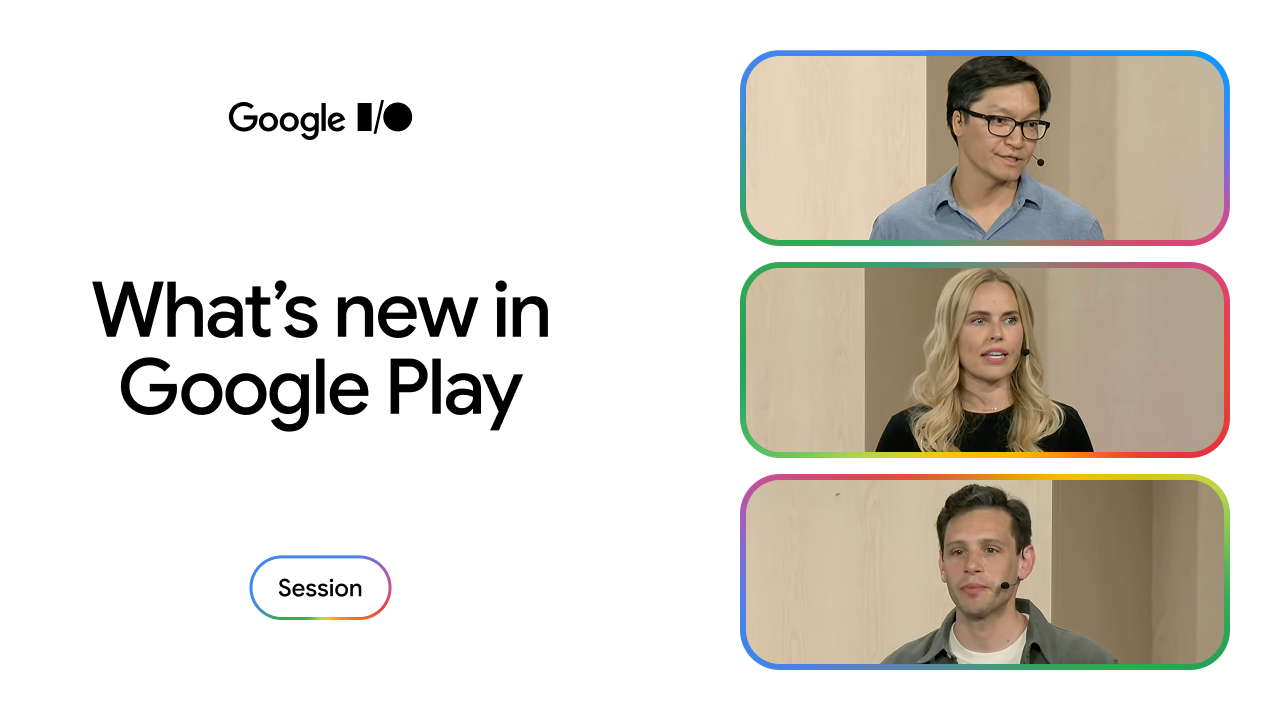
New Tools from Google I/O 2026
Google I/O 2026 unleashed a fresh batch of tools aimed squarely at reshaping how developers connect with users on Google Play. Among the most immediate changes is Play Shorts, a feature that lets users preview apps through short-form clips before downloading. This quick-glance approach promises to cut through the noise of millions of listings, potentially boosting discovery for lesser-known apps—but it also raises questions about content moderation and whether these snippets will truly represent app quality.
Another headline grabber is Ask Play, a conversational search interface that shifts app discovery from keyword hunting to natural language queries. It’s a bold step toward AI-driven search, designed to help users articulate what they want in plain speech. Yet, the technology’s accuracy and bias in interpreting queries remain to be tested at scale, especially across diverse languages and user intents.
On the developer front, the Gemini App and Engage SDKs extend app presence beyond the traditional Play Store, enabling richer integration across Google’s ecosystem. This could open new promotional channels but may complicate app management and performance tracking, demanding more from developers in terms of cross-platform optimization.
Together, these updates signal Google’s push to streamline app engagement and broaden reach, but they also introduce layers of complexity and uncertainty that developers must navigate carefully.
Features Empowering Developers
Google Play’s latest additions from I/O 2026 introduce a suite of tools designed to reshape how developers showcase and distribute their apps. Play Shorts, launched first in early May, lets users watch brief, dynamic previews of apps directly within the store. This feature reduces friction in discovery by giving a snapshot experience without requiring a full download. Developers can now create short-form video content tailored to highlight core app functionality or gameplay, potentially boosting conversion rates.
Simultaneously, Ask Play rolls out a conversational search interface powered by natural language processing. Instead of keyword-based queries, users can ask questions like “What’s the best fitness tracker for beginners?” and receive curated app recommendations. This approach demands developers optimize metadata and app descriptions for semantic search, which may require adjustments in marketing strategies and content tagging.
The Gemini App and Engage SDKs mark a significant pivot toward cross-platform visibility. These tools allow developers to extend app presence beyond the traditional Play Store listing—embedding interactive app experiences in external sites, social media, and even other apps. This capability opens new engagement channels but also introduces complexity in maintaining consistent user experience and tracking performance metrics across diverse environments.
Game developers gain a new utility with the Play Games Sidekick Overlay. This in-game layer offers real-time tips, achievement tracking, and social notifications without interrupting gameplay. While this can enhance player retention and engagement, it also raises questions about resource overhead and potential interference with game performance, especially on lower-end devices.
Together, these features create a more interactive and discoverable app ecosystem. However, developers face the challenge of integrating these tools without diluting brand messaging or compromising app stability. The technical demands of producing quality Shorts content, optimizing for conversational search, and managing cross-platform SDKs require careful planning and resource allocation. As adoption grows, monitoring user feedback and performance data will be critical to ensure these innovations translate into measurable growth rather than added complexity.
Potential Challenges and Considerations
Introducing features like Play Shorts and Ask Play undeniably streamlines app discovery, but the complexity beneath these innovations warrants caution. Play Shorts depends heavily on generating compelling, concise previews that accurately represent app functionality without misleading users. Achieving this balance might challenge developers, especially those with intricate or niche apps that resist easy summarization. Poorly crafted previews risk frustrating users or inflating expectations, potentially increasing uninstall rates.
Ask Play’s conversational search introduces natural language understanding into app queries, yet its effectiveness hinges on robust intent recognition and contextual awareness. Variability in user phrasing and ambiguity in requests could lead to inconsistent or irrelevant results, undermining user trust. Moreover, the system’s reliance on AI models raises questions about transparency and potential biases in app ranking. Developers might find their apps sidelined if the algorithm favors certain keywords or categories disproportionately.
The Gemini App and Engage SDK extend app visibility beyond the Play Store, which broadens reach but also fragments user engagement across platforms. This diffusion complicates analytics and user behavior tracking, making it harder for developers to maintain cohesive user journeys and measure campaign effectiveness accurately. Additionally, integrating these SDKs could introduce performance overhead or compatibility issues, especially in resource-constrained environments.
Play Games Sidekick Overlay offers real-time engagement tools, but overlay features historically risk disrupting gameplay or causing UI conflicts. Ensuring seamless integration without degrading user experience demands rigorous testing across diverse devices and game engines. There’s also the challenge of balancing in-game prompts with player immersion—too intrusive, and the overlay might backfire.
Finally, these updates presuppose widespread adoption of the latest Android versions and Play Store infrastructure. Fragmentation in the Android ecosystem remains a persistent hurdle; developers targeting older OS versions or alternative app stores may not benefit equally. The pace at which users adopt these new features will directly influence their impact and the return on developer investment.
In essence, while Google’s new tools promise enhanced discovery and engagement, their success depends on nuanced execution, vigilant monitoring, and an acceptance that initial iterations may reveal unforeseen friction points or limitations.
What Developers Should Know
Developers should approach these new Google Play features as both opportunities and puzzles. Play Shorts can boost user engagement by offering quick app previews, but it demands careful content curation to avoid misrepresenting core functionality. Ask Play’s conversational search promises smoother discovery, yet it hinges on natural language processing accuracy—errors here could frustrate users or skew app visibility unfairly. The Gemini App and Engage SDK extend reach beyond the Play Store, but integrating these tools adds complexity and potential maintenance overhead that teams must weigh against expected gains.
Game developers gain fresh tools with the Play Games Sidekick Overlay, which can enhance retention through real-time tips and social features. Still, balancing overlay intrusiveness with player experience will be crucial to prevent backlash. Across the board, these updates suggest a shift toward more dynamic, interactive user engagement, but they also introduce new vectors for bugs, performance hits, or unintended user confusion.
In practice, engineering teams should prioritize rigorous testing of these features under real-world conditions and monitor analytics closely post-launch to detect early signs of friction or drop-off. The faster rollout cycle and expanded feature set demand agile development and clear communication with users to manage expectations. While the promise of increased visibility and richer interaction is tangible, success depends on thoughtful implementation—not just adoption.