Oocytes and the Biological Age Reset Phenomenon
Mammalian oocytes stand apart in biology for their ability to reset the biological clock. Unlike most somatic cells that accumulate molecular damage and age irreversibly, oocytes erase age-related markers before fertilization, effectively starting the next generation at a youthful baseline. This isn’t a vague reset; it’s a comprehensive molecular overhaul involving epigenetic reprogramming, mitochondrial rejuvenation, and protein quality restoration.
What makes this phenomenon urgent now is its potential to unlock aging interventions beyond reproduction. The oocyte’s natural ability to clear cellular damage challenges the long-held assumption that aging is a one-way street. Yet, the process is not flawless. Maternal age still impacts oocyte quality, and the mechanisms behind this biological reset remain only partially understood. This raises critical questions: Can we safely replicate or harness these pathways in other tissues? What risks might arise from manipulating such a fundamental reprogramming system? The answers could redefine how we approach aging and longevity, but they demand rigorous scrutiny before any engineering leap.
Mechanisms Behind Oocyte Rejuvenation
Mammalian oocytes erase accumulated molecular damage that typically marks biological aging through a tightly coordinated sequence of processes. It begins with epigenetic reprogramming: DNA methylation patterns and histone modifications—key regulators of gene expression—are extensively remodeled. Enzymes like TET proteins and histone demethylases actively strip away age-associated epigenetic marks, restoring a youthful chromatin state.
At the same time, mitochondrial quality control kicks in. Oocytes selectively remove dysfunctional mitochondria via mitophagy, preserving only healthy mitochondria. This is critical because mitochondrial DNA mutations and respiratory inefficiencies build up with age, fueling cellular decline. The refreshed mitochondrial pool supports the energy demands of early embryogenesis and underpins the offspring’s molecular youth.
Proteostasis also undergoes rigorous restoration. Molecular chaperones and proteasomal activity ramp up to clear damaged or misfolded proteins accumulated over time. This cleanup reduces oxidative stress and prevents the spread of protein aggregates known to impair cell function.
Together, these mechanisms—epigenetic reset, mitochondrial renewal, and proteostasis enhancement—ensure the oocyte’s biological age is effectively rejuvenated before fertilization, regardless of maternal chronological age. However, efficiency declines with advanced maternal age, increasing risks of incomplete rejuvenation and developmental anomalies.
This molecular choreography reveals engineering challenges. Replicating these pathways for therapeutic aging interventions requires navigating timing, specificity, and unintended consequences. The oocyte’s rejuvenation is a multifaceted reconstruction balancing renewal with genomic stability—a delicate equilibrium not easily mimicked outside its native context.
Limits and Risks in Oocyte Aging
The oocyte’s ability to reset biological age is impressive but riddled with limitations. Efficiency drops as maternal age advances, constrained by accumulating damage in both the oocyte pool and ovarian environment. The epigenetic and mitochondrial resets occur within a narrow developmental window; any disruption risks incomplete or aberrant resetting, potentially leading to developmental defects or compromised offspring health.
Moreover, these mechanisms evolved under reproductive pressures, not systemic anti-aging demands. Translating them into therapies faces hurdles: the intricate balance of proteostasis, DNA repair, and metabolic remodeling depends on cell-cycle arrest states and chromatin structures unique to oocytes. Applying similar rejuvenation in somatic tissues risks unintended outcomes like oncogenic transformation or loss of cellular identity.
Long-term stability of the reset state also remains uncertain. Offspring start life with youthful molecular profiles, but how durable this reset is against environmental stressors or genetic variability is poorly understood. The interplay between inherited epigenetic marks and aging trajectories might expose vulnerabilities absent in early development.
Finally, much of the evidence comes from animal models or in vitro systems that may not fully capture human oocyte biology’s complexity. Species differences in reproductive lifespan and molecular aging caution against overgeneralizing findings. This demands careful validation and tempered expectations when considering oocyte rejuvenation as a model for broader aging interventions.
What This Means for Aging Research and Therapies
Oocytes offer a rare natural example of cellular age reversal, but their method is neither simple nor directly transferable. The process depends on tightly coordinated epigenetic, mitochondrial, and proteostasis pathways—complex and context-dependent systems.
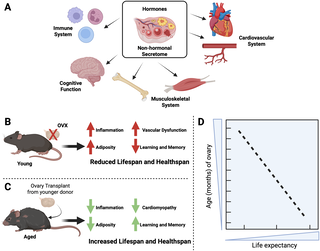
For aging research, this means any attempt to mimic oocyte rejuvenation must balance clearing damage without triggering dysfunction or cell death. Systemic factors like hormonal signaling and tissue microenvironments also play roles, suggesting isolated molecular tweaks may fall short.
From an engineering standpoint, the oocyte’s reset is a multifaceted orchestration requiring precise timing and molecular coordination. Therapeutic translation demands incremental progress with robust monitoring for unintended effects and long-term stability.
In essence, the oocyte’s biological age reset challenges aging research to deepen mechanistic insight and develop interventions that respect cellular complexity. It serves as a guidepost—offering a promising model but no quick fix.