GitHub’s ESC Collection: A Developer Lifestyle Statement
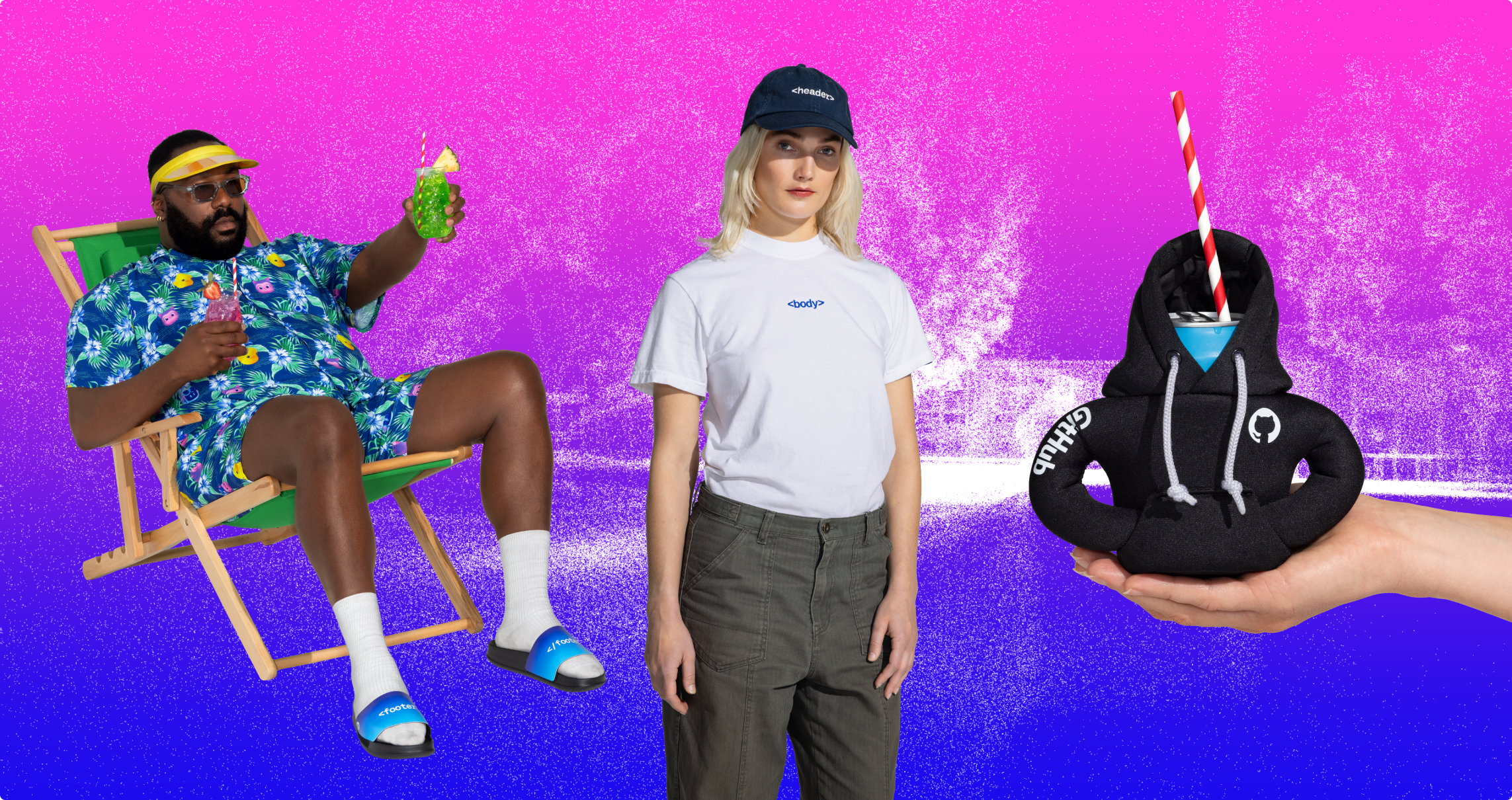
GitHub’s new ESC collection hits the market with a clear message: coding culture isn’t confined to the screen or the office. This isn’t just merch for developers—it’s a lifestyle statement that blends work and leisure seamlessly. The lineup includes everything from tees and hats to pool slides and a beach-ready Cabana set, all branded with developer-centric designs.
What sets this apart is how GitHub is pushing beyond traditional swag. The collection’s launch integrates interactive shopping tech—like a lidar scanner that lets buyers customize image backgrounds—bringing a layer of engagement that mirrors the interactive nature of coding itself. It’s a savvy move, merging identity, fashion, and tech in one package, tailored for developers who want their downtime to reflect their profession.
New Apparel and Novel Shopping Tech
GitHub rolled out the ESC collection in its Shop this spring, targeting developers who want to wear their identity beyond the keyboard. The lineup features casual staples: tees, hats, pool slides, plus beach-ready items like a Cabana set and a linen shirt. Each piece is stamped with developer-centric motifs, signaling coding culture in a laid-back way.
Some familiar favorites got a fresh spin. The classic black invertocat hoodie transforms into a beverage coozie, merging function with fan appeal. There’s also a quirky Mona float designed for poolside drinks, adding a playful edge to the collection.
Shopping the ESC collection isn’t just about picking items off a shelf. GitHub integrated interactive tech by employing a lidar scanner that lets buyers customize image backgrounds during their online browsing. This tech-driven feature blends the digital with the physical, reflecting the developer mindset of tinkering and personalization.
The timing and design suggest GitHub is tapping into a lifestyle trend where work and leisure blur. The ESC collection doesn’t just sell apparel—it offers a way for developers to project their professional identity into casual moments, all while engaging with a tech-enhanced shopping experience.
Blending Work and Leisure in Developer Culture
The line between work and downtime has blurred sharply for developers over the past decade. Remote work, flexible hours, and the omnipresence of screens mean coding culture spills into everyday life more than ever. GitHub’s ESC collection taps into this shift, offering apparel that isn’t just about branding but about embodying a lifestyle where “work” and “leisure” aren’t separate realms.
Developers have long embraced casual wear—hoodies, tees, and sneakers—as their unofficial uniform. But GitHub’s move to include pool slides, linen cabana sets, and even floaties signals a deeper cultural evolution. It’s no longer enough to wear your code on your sleeve; now you also wear your downtime with equal pride. This reflects a trend in tech circles where identity and comfort merge, and where personal expression extends beyond the keyboard.
Interactive shopping features, like lidar-enabled background customization, further blur the lines. They transform a simple purchase into a playful, immersive experience that mirrors the creativity and interactivity developers cherish in their work. The ESC collection, then, isn’t just merchandise—it’s a statement about how developers want to live, relax, and present themselves in a world where the boundaries between professional and personal are increasingly porous.
What This Means for Developer Identity and Brand Engagement
GitHub’s ESC collection pushes developer identity beyond the keyboard and into everyday life. By offering apparel and accessories that wear the coding culture openly, it encourages a new kind of brand engagement—one that’s personal, visible, and casual. This isn’t just merch for fans; it’s a statement that developer culture can be a lifestyle, blending work habits with leisure in a tangible way.
For developers, this means their professional identity gets a fresh outlet. Wearing a tee or sliding into pool slides marked by familiar coding motifs signals belonging to a community that values both productivity and downtime. It’s a subtle form of networking and self-expression rolled into one.
From a market perspective, GitHub is tapping into a growing appetite for tech-themed lifestyle products, but with a twist. The integration of interactive shopping tech—like lidar-enhanced customization—adds a layer of engagement that goes beyond traditional e-commerce. This signals a shift toward more immersive brand experiences tailored to tech-savvy consumers who expect more than just static product pages.
However, the line between authentic culture and commercial branding blurs here. While the collection resonates with genuine developer interests, it also commodifies identity in a way that could feel performative. The risk is that this casual fashion becomes a marketing tool rather than a community statement.
Still, the ESC collection reflects a trend: developers want their work ethos reflected in their lifestyle choices, not siloed at the desk. GitHub’s move could influence how other tech companies approach brand engagement—moving from logos on mugs to full lifestyle ecosystems.
For those watching developer culture evolve, this collection offers a concrete example of how identity, commerce, and technology intersect. It’s a practical nudge toward embracing work-life integration visibly and interactively, even if the full cultural impact will unfold over time.

Global Digests News delivers timely, credible coverage of world affairs, politics, economy, and technology to keep you informed on today’s top stories.

AI Advances in Flood Forecasting
Google’s open-source AI hydrology framework offers customizable flood forecasting powered by LSTM networks. Validated with Czech data, it b…

EVA-Bench Data 2.0 Expands Enterprise Voice Agent Testing
EVA-Bench Data 2.0 broadens enterprise voice agent evaluation with three new domains—airline customer service, IT service management, and h…

Tech Sovereignty in Europe: Shifting Away from US Solutions
Europe is pushing to reduce dependence on US technology through the European Tech Sovereignty Package. Leading research bodies like France’…

Andreessen Claims AGI Has Arrived, Sparking Industry Debate
Marc Andreessen told Joe Rogan that AGI was reached in early 2026 by models like GPT-5.5 and Gemini 3.0. OpenAI’s Sam Altman remains cautio…
Human Judgment Remains the Linchpin in AI Ethics, MIT Symposium Shows
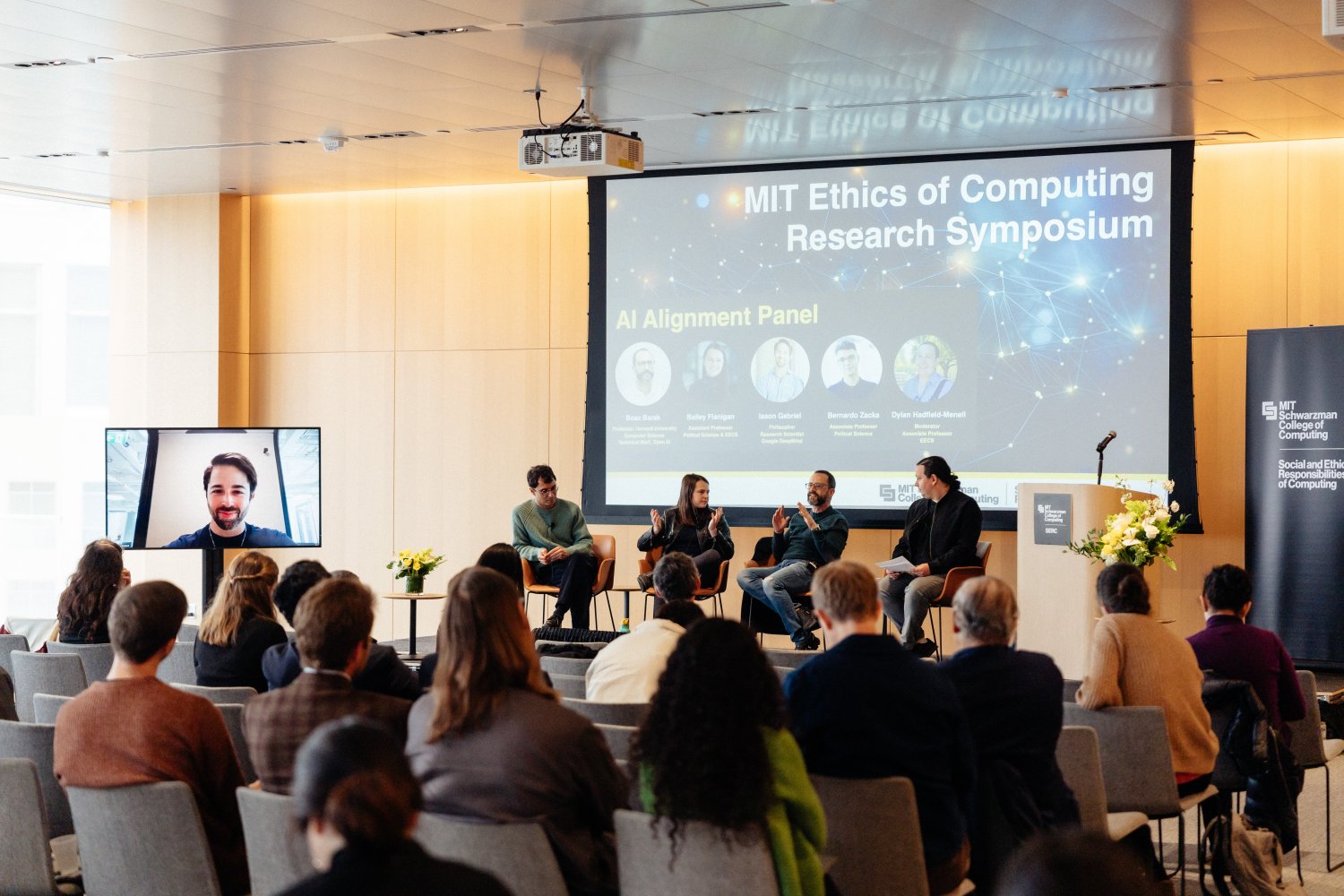
The MIT Ethics of Computing Research Symposium emphasized that AI can’t navigate ethics alone. Experts highlighted the challenge of alignin…

Early Literacy Gains in Summer: Everyday Moments That Matter
Summer’s unstructured days are fertile ground for early literacy growth. Simple daily interactions—talking, singing, reading signs—build la…

Reid Hoffman Leaves Microsoft Board to Lead AI Drug Discovery Startup Manus
Reid Hoffman steps down from Microsoft’s board after ten years to focus on Manus, an AI-driven drug discovery startup targeting cancer trea…

AI and Fundamental Physics: NSF Renews Support for IAIFI
The National Science Foundation has expanded funding for MIT’s Institute for Artificial Intelligence and Fundamental Interactions, advancin…