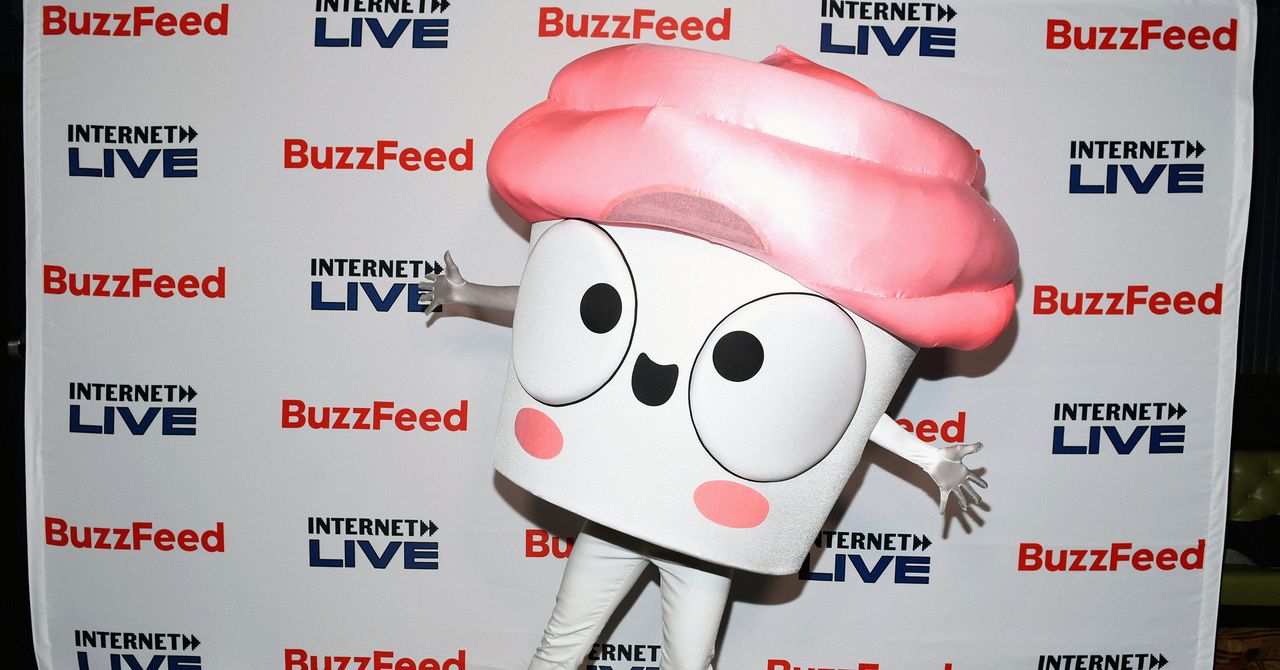
Creator Outcry Over AI Use in Cupcake & Friends

Loryn Brantz, the original creator of Good Advice Cupcake, has gone public with sharp criticism of BuzzFeed and Amazon’s new AI-assisted animated series, Cupcake & Friends. Her core grievance: a promised creative partnership dissolved into what she calls a “breach of trust,” as the companies leaned heavily on generative AI tools to produce the show without her input. This isn’t just a spat over credits or royalties—it’s a standoff over who truly controls the creative process when AI enters the picture. BuzzFeed holds the intellectual property rights and licensed the concept to Amazon Prime Video, which has embraced AI to streamline animation and scripting. But Brantz’s objections highlight a deeper conflict: ownership on paper doesn’t guarantee creative authority in practice, especially when AI can generate new content that blurs the line between original artistry and machine output. The controversy exposes a fault line in the industry’s rush to adopt AI—where legal rights, ethical responsibilities, and artistic integrity collide.

BuzzFeed and Amazon’s AI-Driven Production Moves

BuzzFeed and Amazon started collaborating on Cupcake & Friends in early 2023, aiming to use AI to speed up production. BuzzFeed retained intellectual property rights and licensed the series to Amazon Prime Video, which agreed to develop the show using generative AI tools. The promise: faster turnaround and cost savings by automating character animation and background design. By mid-2023, BuzzFeed announced the AI-assisted process publicly, pitching it as a cutting-edge experiment. But this came after Loryn Brantz voiced strong objections. She claimed BuzzFeed had promised her creative control and that the AI use violated that trust. BuzzFeed defended its approach, framing AI as a tool to enhance creativity, not replace humans. They leaned on their IP ownership to justify exploring new production methods. Amazon echoed this, presenting AI integration as part of their broader push into innovative content. The timeline reveals a sharp divide: BuzzFeed and Amazon moved forward with AI-driven workflows months before Brantz’s public opposition and legal concerns surfaced. This sequence highlights the tension between contractual IP rights and evolving creator expectations in an AI-driven era.

Background on the Good Advice Cupcake IP and AI Integration

Good Advice Cupcake began as Loryn Brantz’s quirky, hand-drawn comic series, known for its witty, uplifting messages. The character quickly built a loyal online following, making it attractive to BuzzFeed, which acquired the intellectual property rights. BuzzFeed planned to expand the brand into animation, targeting streaming platforms. The twist: BuzzFeed chose to incorporate AI tools into production. Rather than traditional animation, they used generative AI for character design, storyboarding, and even dialogue generation. This promised faster production and lower costs, aligning with streaming’s demand for rapid content output. Amazon Prime Video licensed the IP from BuzzFeed to develop Cupcake & Friends, leaning heavily on AI-generated content. The original creative team was sidelined, sparking concerns about losing control over the artistic vision that defined Good Advice Cupcake. The core tension: AI disrupts the usual creative pipeline, raising questions about authorship, consent, and preserving the original work’s integrity. Brantz’s frustration isn’t just about AI itself but how corporate ownership combined with AI shifts creative authority. This clash sits at the intersection of intellectual property law, ethics, and AI’s expanding capabilities—making the future of such collaborations uncertain.

Tensions Between Creators and Media Companies Over AI

The dispute between Brantz and media giants BuzzFeed and Amazon exposes a growing rift in creative industries adapting to AI. For creators, the fear is losing control over how their work is transformed and presented. Brantz’s frustration extends beyond one show; it’s about the erosion of creative authority when AI tools enter without clear agreements or respect for original vision. From the industry’s perspective, AI offers a scalable, cost-efficient way to produce content fast. BuzzFeed’s licensing and AI deployment for Cupcake & Friends reflect a trend where IP ownership grants near-unilateral decision-making power. But ownership alone isn’t enough if creative control slips away. For audiences, this tension may shift expectations about authenticity and originality. As AI-generated content grows, skepticism about artistic integrity could rise. Legally, the case exposes gaps in copyright law around AI’s role in derivative works and balancing innovation with creator rights. Practically, creators may need contracts that explicitly address AI use and creative oversight. Media companies risk backlash if they marginalize original voices. The Cupcake & Friends dispute serves as an early warning: AI integration in creative fields could spark more public conflicts unless industry standards evolve.

Common Questions About the AI Controversy

What are the main points of contention between Loryn Brantz and BuzzFeed regarding AI use?
Brantz objects to BuzzFeed and Amazon using AI to produce the animated series without her creative input. She says this breaks prior promises of creative control and raises questions about authorship and respecting the original work.

How does BuzzFeed justify using AI in developing the Cupcake & Friends series?
BuzzFeed relies on its ownership of the Good Advice Cupcake IP and the licensing deal with Amazon. They present AI as a tool to streamline production and innovate while staying within their rights as IP holders.

What are the broader concerns about AI’s impact on artist rights in media production?
The case spotlights fears that AI could sideline human creators, eroding control, credit, and royalties. Artists worry AI might mimic styles without permission, blurring lines between inspiration and infringement. It highlights tensions between tech progress and protecting creative labor.

What legal or ethical challenges does this conflict highlight for AI-generated creative content?
It raises questions about copyright law’s ability to handle AI’s role. Who owns AI-generated art based on existing characters? How enforceable are creative control agreements once AI is involved? Ethically, it challenges norms around consent, attribution, and fair pay in a shifting landscape.

Ссылка на первоисточник
The next chapter in flood resilience: Open sourcing Google’s hydrology framework
Science & Tech

AI Advances in Flood Forecasting

Google’s open-source AI hydrology framework offers customizable flood forecasting powered by LSTM networks. Validated with Czech data, it b…