
Why Middle Age Matters for Brain Health
Middle age isn’t just a number—it’s when the brain starts to shift in ways that matter. Between 40 and 65, subtle changes in neural connections and cognitive function begin, often unnoticed. This phase marks a window where early signs of decline can appear, setting the stage for conditions like dementia decades later.
What makes this period crucial is the growing evidence that interventions now can slow or even prevent future damage. Scientists are zeroing in on middle age as a prime time to spot risk factors and act. The brain’s resilience isn’t fixed; it can be bolstered before serious symptoms emerge. This shifts the focus from reacting late to proactive brain health management.
New Tools for Early Detection
Diagnostic tools are changing how clinicians detect early brain changes in middle age. Advanced MRI scans now assess biological brain age by analyzing neural connectivity patterns. These methods can reveal subtle shifts traditional imaging misses. Over the past five years, pilot studies have shown their potential to flag risk before symptoms arise.
Blood-based biomarkers are another frontier. Tests measuring proteins linked to neurodegeneration, like phosphorylated tau and neurofilament light chain, are in clinical trials. These markers may indicate brain damage years before cognitive decline. But their accuracy varies by assay and population, so they’re not ready for broad screening.
Challenges remain. MRI assessments need costly equipment and expert interpretation, limiting access. Blood tests require further standardization and validation across diverse groups. Integrating these diagnostics into routine midlife health checks is still experimental.
The core idea is clear: catching brain changes during middle age could open a critical window for intervention. These technologies might shift dementia prevention from reactive to proactive. For now, they’re mostly research tools, but clinical use could expand soon.
Risk Factors You Can Manage
Middle age is when certain risk factors start to weigh more heavily on brain health. High blood pressure quietly damages brain blood vessels over time, increasing cognitive decline risk. Obesity fuels inflammation and metabolic problems that impair neural function. Depression, often overlooked, alters brain chemistry and connectivity.
These factors interact and compound, undermining brain resilience. The good news: they’re modifiable. Controlling blood pressure through diet, exercise, and medication slows vascular damage. Sustainable lifestyle changes to reduce obesity lower inflammation and improve brain environment. Treating depression with therapy or medication helps restore neural balance.
Genetics and age set the baseline, but these manageable risks influence whether dementia develops. Middle age offers a chance to intervene before damage becomes irreversible. Recognizing and addressing these factors now can shift brain health decades later.
Taking Action in Midlife
Midlife isn’t a time to coast. Changes starting between 40 and 65 quietly set the stage for cognitive decline decades later. Early detection tools could become routine, like cholesterol tests, identifying those at risk before symptoms appear.
But technology isn’t ready. MRI brain age scans and blood biomarker tests show promise but face hurdles in accuracy and availability. Until then, focus on what individuals can control: lifestyle choices. Managing blood pressure, maintaining healthy weight, and addressing depression aren’t just advice—they’re practical steps with measurable impact.
For healthcare systems, shifting attention to midlife brain health could reshape dementia prevention. Encouraging screenings and supporting lifestyle programs might reduce future care burdens. Employers and insurers might also benefit from promoting brain-healthy habits among middle-aged adults to sustain productivity.
The takeaway is straightforward: midlife offers a critical window to change outcomes. The challenge lies in turning emerging science into everyday practice before that window closes.

Global Digests News delivers timely, credible coverage of world affairs, politics, economy, and technology to keep you informed on today’s top stories.

AI Advances in Flood Forecasting
Google’s open-source AI hydrology framework offers customizable flood forecasting powered by LSTM networks. Validated with Czech data, it b…

EVA-Bench Data 2.0 Expands Enterprise Voice Agent Testing
EVA-Bench Data 2.0 broadens enterprise voice agent evaluation with three new domains—airline customer service, IT service management, and h…

Tech Sovereignty in Europe: Shifting Away from US Solutions
Europe is pushing to reduce dependence on US technology through the European Tech Sovereignty Package. Leading research bodies like France’…

Andreessen Claims AGI Has Arrived, Sparking Industry Debate
Marc Andreessen told Joe Rogan that AGI was reached in early 2026 by models like GPT-5.5 and Gemini 3.0. OpenAI’s Sam Altman remains cautio…
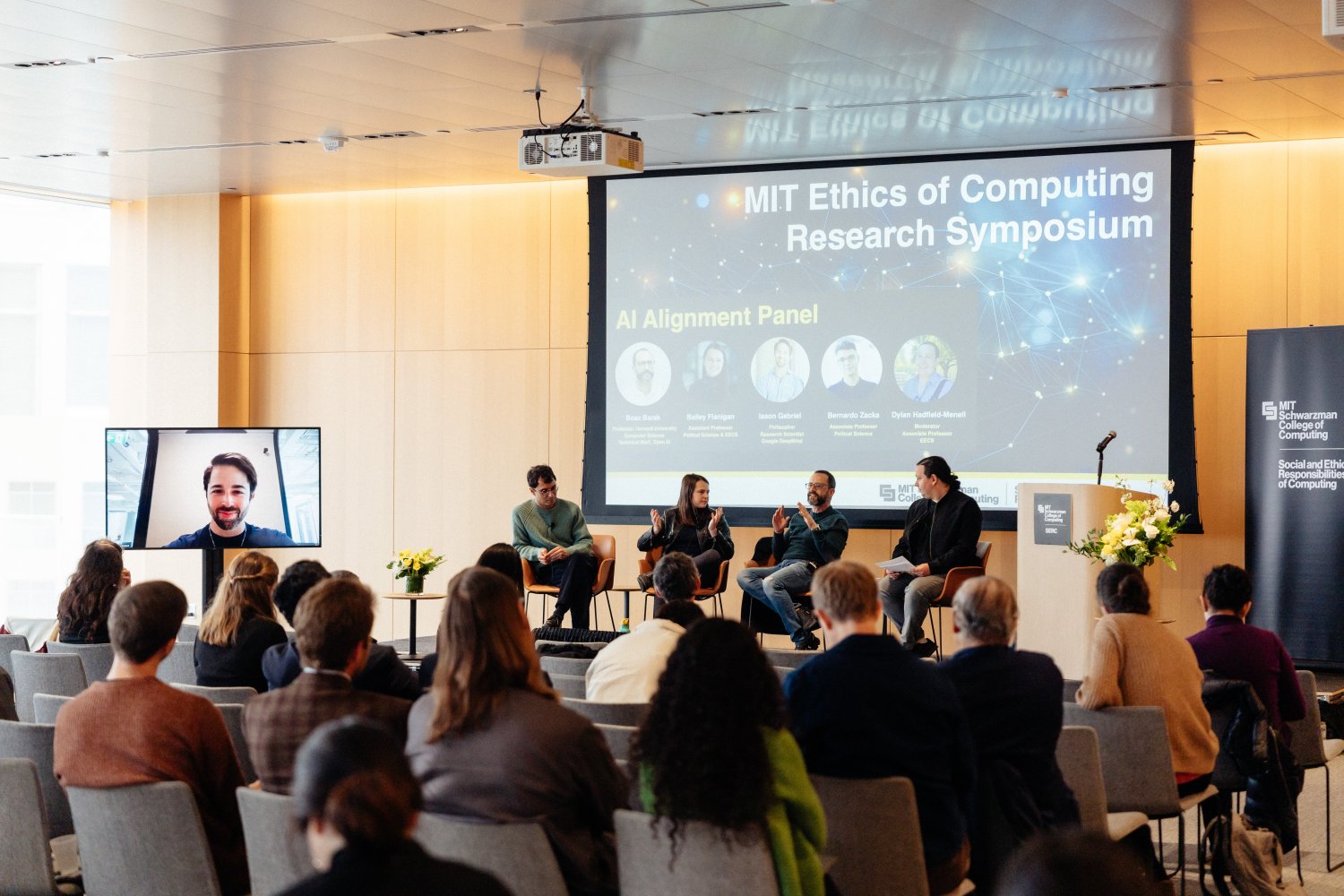
Human Judgment Remains the Linchpin in AI Ethics, MIT Symposium Shows
The MIT Ethics of Computing Research Symposium emphasized that AI can’t navigate ethics alone. Experts highlighted the challenge of alignin…

Early Literacy Gains in Summer: Everyday Moments That Matter
Summer’s unstructured days are fertile ground for early literacy growth. Simple daily interactions—talking, singing, reading signs—build la…

Reid Hoffman Leaves Microsoft Board to Lead AI Drug Discovery Startup Manus
Reid Hoffman steps down from Microsoft’s board after ten years to focus on Manus, an AI-driven drug discovery startup targeting cancer trea…

AI and Fundamental Physics: NSF Renews Support for IAIFI
The National Science Foundation has expanded funding for MIT’s Institute for Artificial Intelligence and Fundamental Interactions, advancin…